

























Stellantis Records $26.5 Billion Writedown Amid EV Strategy Shift

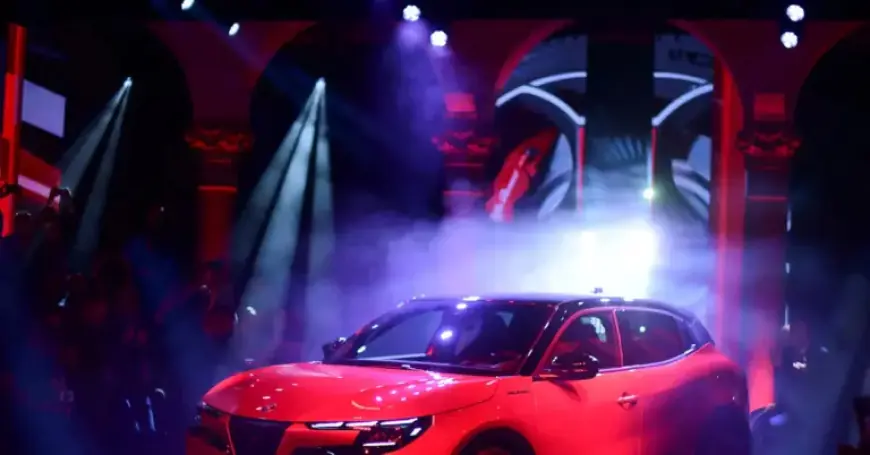
Stellantis, the parent company of Alfa Romeo, has recorded a staggering €22.2 billion ($26.5 billion) in writedowns as it re-evaluates its electric vehicle (EV) strategy. This decision has significant implications for the auto industry, reflecting the challenges many manufacturers face in transitioning to electric mobility.
Major Financial Losses Announced
The announcement on February 6, 2024, sent shockwaves through the market, resulting in a 25% plunge in Stellantis shares. This is the lowest the company has seen since its merger of Fiat Chrysler and PSA Group in early 2021. The drastic writedown is largely attributed to a misalignment between the company’s EV ambitions and market demand.
Impact of Market Conditions
Stellantis is not alone in reporting significant writedowns. Competitors like Ford and General Motors have also faced similar challenges, underscoring a broader trend among Western automakers reevaluating their EV strategies due to various factors:
- Changing governmental policies regarding EV subsidies.
- Slowing demand in key markets, especially China.
- Increased competition from lower-priced electric vehicles from Chinese manufacturers.
The company is expected to incur losses between €19 billion and €21 billion by the second half of 2025. Stellantis has also announced that it will not distribute dividends this year.
Strategic Changes Ahead
In light of these financial challenges, Stellantis is realigning its product offerings to better reflect consumer preferences. CEO Antonio Filosa is leading this shift, which includes:
- Resizing the EV supply chain.
- Modifying warranty provisions due to product quality issues.
- Implementing job cuts in Europe.
The company is also selling its 49% stake in a Canadian battery joint venture to LG Energy Solution. This move aims to free up capital for strategic initiatives and maintain financial stability.
Future Outlook
Stellantis plans to issue €5 billion in non-convertible subordinated perpetual hybrid bonds to strengthen its balance sheet. The company anticipates achieving positive industrial free cash flows by 2027. Additionally, it expects a modest increase in net revenue and an adjusted operating income margin in the mid-single digits for 2026.
As the company prepares to unveil a new business plan in May, it will need to communicate effectively to restore investor confidence. The forthcoming second-half results and financial statements are scheduled for release on February 26, 2025.
In summary, Stellantis’ recent challenges serve as a critical reminder of the complexities involved in transitioning to electric vehicles. The automotive industry must adapt to rapidly changing market dynamics to succeed in this evolving landscape.