























New SAVE Act Bills Could Restrict Voting for Millions of Americans

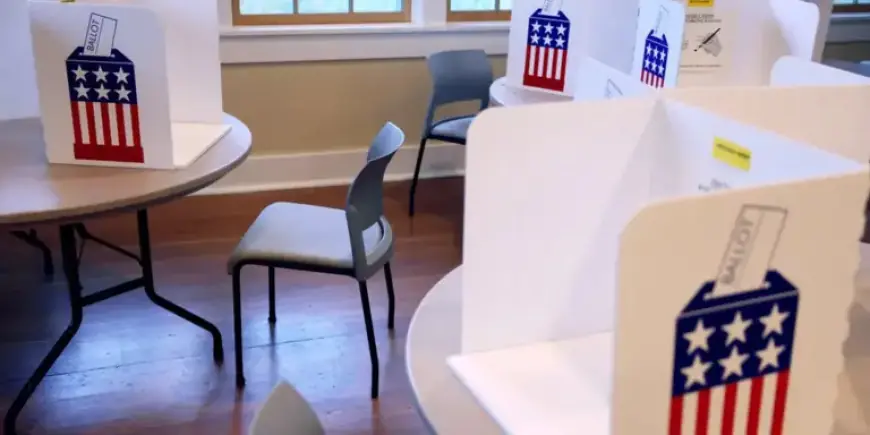
Recently, Republican lawmakers have revived efforts to pass the SAVE Act by introducing two new bills in the House and Senate. This legislative initiative aims to enforce a requirement that voters present specific identification documents for registration, which raises significant concerns about voter access. The previous attempt to pass the SAVE Act faced considerable public opposition and ultimately failed.
Overview of the SAVE Act
The SAVE Act proposes that American citizens must provide documentation—such as a passport or birth certificate—to register to vote. Research indicates that more than 21 million Americans do not have easy access to these documents. Approximately 50% of the population lacks a passport, and many individuals cannot obtain a physical copy of their birth certificate.
Potential Impact on Voter Access
- Disproportionate effects on younger voters and voters of color.
- Women may encounter difficulties if their married names are not reflected on their documents.
- The law could cause chaos in election administration, burdening state and local officials.
Local election officials would face significant responsibilities in determining if voters without required documents have proven their citizenship. An error in this process could expose officials to civil and criminal penalties.
Legislative Details
Both the House and Senate versions of the SAVE Act intend to implement these requirements immediately or within one to two years of enactment. The rushed timeline may create confusion and hinder potential voters from casting their ballots.
Key Provisions in the House Version
The House proposal, known as the Make Elections Great Again Act, includes several restrictive measures:
- Proof of residence will be required alongside proof of citizenship for voter registration.
- Photo identification will be mandatory to vote, with a limited list of acceptable IDs.
- Student IDs and unexpired tribal IDs may not be accepted.
- Voter roll purges every 30 days could disenfranchise eligible voters.
- Universal mail voting will be prohibited, requiring applications for mail ballots.
Senate Version of the Bill
The Senate’s version, titled the SAVE America Act, adds even more restrictions. Voters would need to present identification again at the polling location. Exceptions to this requirement could potentially be made for states that have consistently provided their voter rolls to the Department of Homeland Security.
However, concerns about privacy and data misuse may make states hesitant to comply. Past actions by the federal government have raised alarms about the handling of sensitive voter information.
Conclusion
Critics argue that the SAVE Act does not address real issues in voter fraud, as evidence suggests that illegal voting is exceedingly rare. Instead, these bills could facilitate a broader agenda to undermine trust in elections and restrict access for millions of citizens. Advocates urge Congress to reject the SAVE Act and protect voter rights.
Contact your members of Congress today and voice your opposition to this potential anti-voter legislation on Filmogaz.com.