























Bitcoin plunges as “Trump rally” unwinds and leverage liquidations accelerate

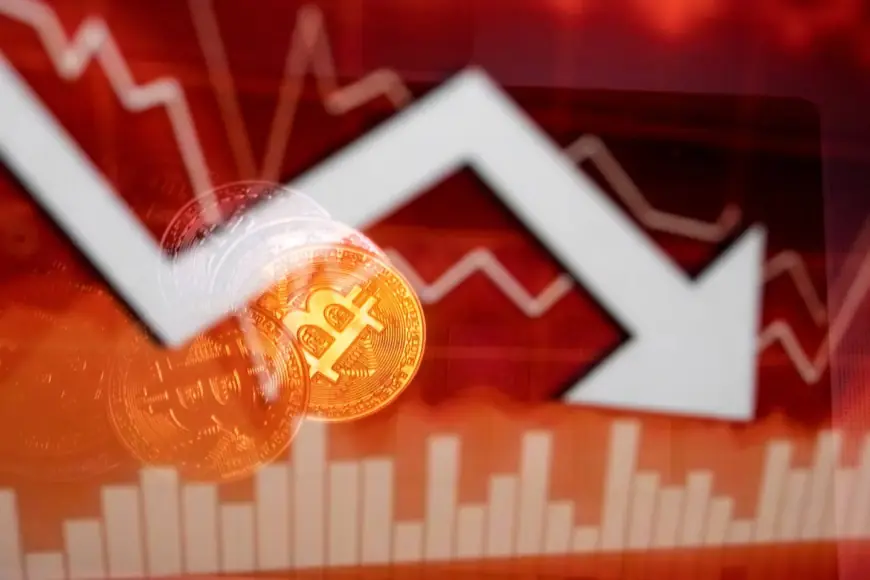
Bitcoin fell sharply on Friday, extending a brutal early-February selloff that has erased the post-election surge many traders dubbed the “Trump rally.” The drop has rippled through the broader crypto market, pressuring Ethereum and XRP as investors de-risk across markets and leveraged crypto positions get forced out.
At 11:10 a.m. ET on Friday, Feb. 6, 2026, Bitcoin traded near $64,804, down about 9.5% on the day after swinging violently between roughly $60,297 and $71,734.
Bitcoin price today in USD: the key numbers
Volatility has been the story as much as direction, with wide intraday ranges and fast moves around round-number levels.
| Asset | Price (USD) | Day change | Intraday low–high |
|---|---|---|---|
| Bitcoin (BTC) | 64,804 | -9.5% | 60,297 – 71,734 |
| Ethereum (ETH) | 1,903.53 | -10.6% | 1,757.03 – 2,139.54 |
| XRP (XRP) | 1.25 | -14.4% | 1.13 – 1.46 |
Why is bitcoin dropping right now?
This move looks like a stack of pressures hitting at the same time, rather than a single headline.
First, forced deleveraging. When prices break key levels, long positions funded with leverage can be liquidated automatically. That turns into market sell orders, which can push prices lower, triggering more liquidations in a feedback loop. The “air pocket” feeling in today’s tape fits that pattern.
Second, a weaker marginal bid. Investor appetite through institutional wrappers has cooled during this downswing, and that matters because those flows can be a major source of steady demand when sentiment is positive. When flows reverse or turn hesitant, dips can travel further before buyers show up.
Third, macro risk-off behavior. Crypto has traded like a liquidity-sensitive risk asset: when investors get defensive, they tend to reduce exposure to the most volatile parts of their portfolios first.
Why is crypto crashing: the mechanics behind the speed
Crypto’s market structure amplifies fast moves:
-
24/7 trading means selloffs can cascade during thin liquidity windows.
-
Round-number triggers (like $70,000 and $65,000) tend to cluster stops, hedges, and forced exits.
-
Altcoin beta makes the rest of the market move more than Bitcoin when fear spikes; XRP’s double-digit drop is consistent with that pattern.
The result is a selloff that feels “crashy” because the market doesn’t pause to let sentiment reset—positions are simply forced out until the pressure clears.
The “bitcoin price trump” angle: why the rally got wiped out
Bitcoin’s earlier run-up was fueled by optimism that a more crypto-friendly U.S. posture would emerge after the election. That enthusiasm helped drive speculative positioning and risk-taking. Now, the unwind suggests traders are repricing two realities: policy shifts take time, and the market’s near-term driver is still liquidity, rates, and risk appetite.
Some of the latest anxiety has centered on the idea that U.S. monetary policy could tilt more hawkish than markets expected, which tends to tighten financial conditions and weigh on speculative assets. In that environment, the market often stops paying for “eventual” catalysts and starts demanding near-term support.
What to watch next: stabilization signals and downside levels
The next phase will likely be shaped less by headlines and more by whether selling pressure is structural (positioning and flows) or fundamental (a sustained shift in risk appetite).
Three practical signals to watch over the next few sessions:
-
Liquidation intensity: If forced selling slows while price stops making new lows, it can indicate the leverage overhang has been largely cleared.
-
Flow direction: A shift from persistent withdrawals to steadier demand would help rebuild a price floor.
-
Reclaim attempts: If Bitcoin can recover and hold above recently broken round numbers, it can reduce the “sell the bounce” reflex that often follows sharp breaks.
Even after today’s drop, the market can still see violent counter-rallies once leverage resets. But for that to become durable, buyers typically need both calmer positioning and a less defensive macro backdrop.
Sources consulted: Reuters, Financial Times, Axios, Bloomberg