






















Judge will rule Feb. 24 on bid to disqualify prosecutors in Charlie Kirk killing case

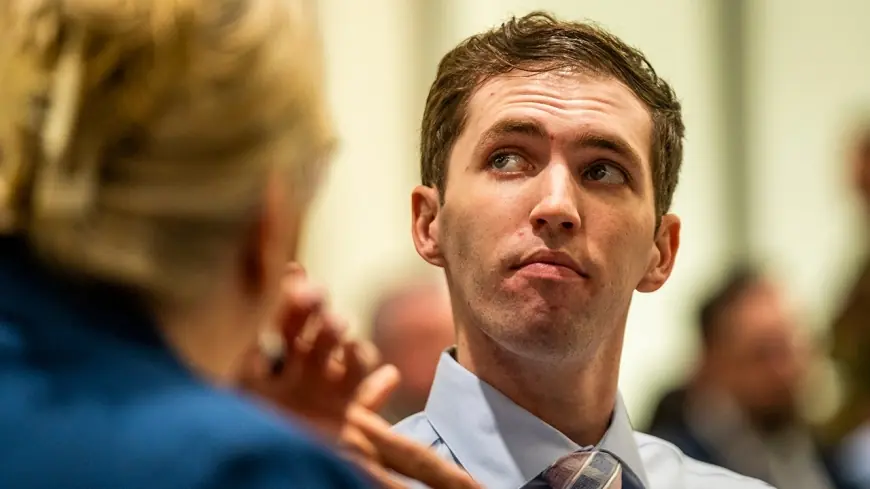
A Utah judge is set to decide on Feb. 24, 2026, whether local prosecutors can remain on the case against Tyler Robinson, the man accused of fatally shooting conservative activist Charlie Kirk at a college event. The defense argues that the prosecution’s push for the death penalty was tainted by a conflict of interest tied to a deputy prosecutor’s daughter, who witnessed the shooting. Prosecutors insist the decision was evidence-based and made through standard office review.
The ruling could shape the timeline and tone of one of the country’s most closely watched political-violence prosecutions, including whether a new office would take over and whether the state can keep pursuing capital punishment.
What happened and where the case stands
Kirk was shot and killed on Sept. 10, 2025, during a campus event at Utah Valley University in Orem, Utah. Robinson has been charged with aggravated murder and additional counts tied to the attack. He has not entered a plea in the public record highlighted in recent court hearings, and the case remains in pretrial litigation.
Utah County prosecutors have said they intend to seek the death penalty. The defense has challenged that move, arguing it was pursued unusually quickly and under circumstances that created an appearance of emotional influence.
The conflict-of-interest claim at the center
The dispute focuses on deputy county attorney Chad Grunander. Defense attorneys have argued that Grunander’s 18-year-old daughter witnessed the shooting and alerted him by text in the immediate aftermath, creating a conflict that should disqualify the Utah County Attorney’s Office from the case.
In testimony during recent hearings, Grunander denied any conflict and said his daughter’s presence at the event had no role in prosecutorial decision-making. He has maintained that the capital charging decision did not originate with him and that he did not drive the office toward seeking death.
The defense position is broader than one individual: even if Grunander did not sign the final paperwork, the defense argues his connection to a key eyewitness could influence the office’s judgment, consciously or unconsciously, in a way that undermines fairness.
How prosecutors responded in court
Prosecutors have emphasized separation of duties inside the office and said the decision to seek capital punishment was ultimately made by the elected county attorney, Jeffrey Gray, not by Grunander.
Gray has testified that he was considering the death penalty early in the process because of the severity of the crime and the public scrutiny surrounding it, and that the office’s review was rooted in evidence. Prosecutors have argued that the daughter is not serving as a prosecutor, that she is a witness like others who were present, and that internal steps were taken to avoid improper influence.
The office has also stressed that, at this stage, the legal question is not whether the case is emotionally difficult, but whether the defense can meet the high bar required to disqualify an entire prosecuting authority.
Other major pretrial fights: video evidence and courtroom access
The conflict motion is unfolding alongside other contentious issues common in high-profile homicide cases.
One dispute involves whether graphic videos of the shooting should be shown in court, with defense attorneys arguing that repeated display risks prejudicing the process. Prosecutors have argued that video evidence is central to proving what happened and to establishing aggravating factors relevant to potential sentencing.
Another dispute concerns cameras and broader media access in hearings. The defense has pointed to intense publicity and courtroom conduct concerns as reasons to tighten access. Prosecutors and others have pressed for openness, arguing that transparency matters in a case that has attracted national attention and significant public interest.
What the Feb. 24 ruling could change
If the judge disqualifies the Utah County Attorney’s Office, another prosecuting authority would likely be appointed, and the new team would have to decide whether to continue seeking the death penalty. That could slow the case and reset strategy, even if core evidence and charges remain the same.
If the judge denies the defense request, the case proceeds with the current prosecution team and the death-penalty notice remains in place, subject to later challenges and the normal process of capital-case litigation.
Either way, the Feb. 24 decision is a key procedural milestone: it will either validate the office’s structure and conduct so far, or signal that the court views the appearance of partiality as too significant to ignore.
What to watch next
Two practical signals will follow quickly after the ruling:
-
Scheduling: whether the court sets firm deadlines for motions, evidentiary hearings, and a potential trial date.
-
Capital-case trajectory: whether the path toward a death-penalty trial remains intact or becomes uncertain under new prosecutors.
For now, the court’s focus is narrow but consequential: determining whether the prosecution can continue as structured, and whether the case can move forward without lingering questions about impartiality.
Sources consulted: Reuters, The Guardian, Associated Press, KUER