






















Steve Martin in 2026: A Grief-Soaked Tour Moment, Fresh Awards Heat, and the Quiet Question of What Comes Next

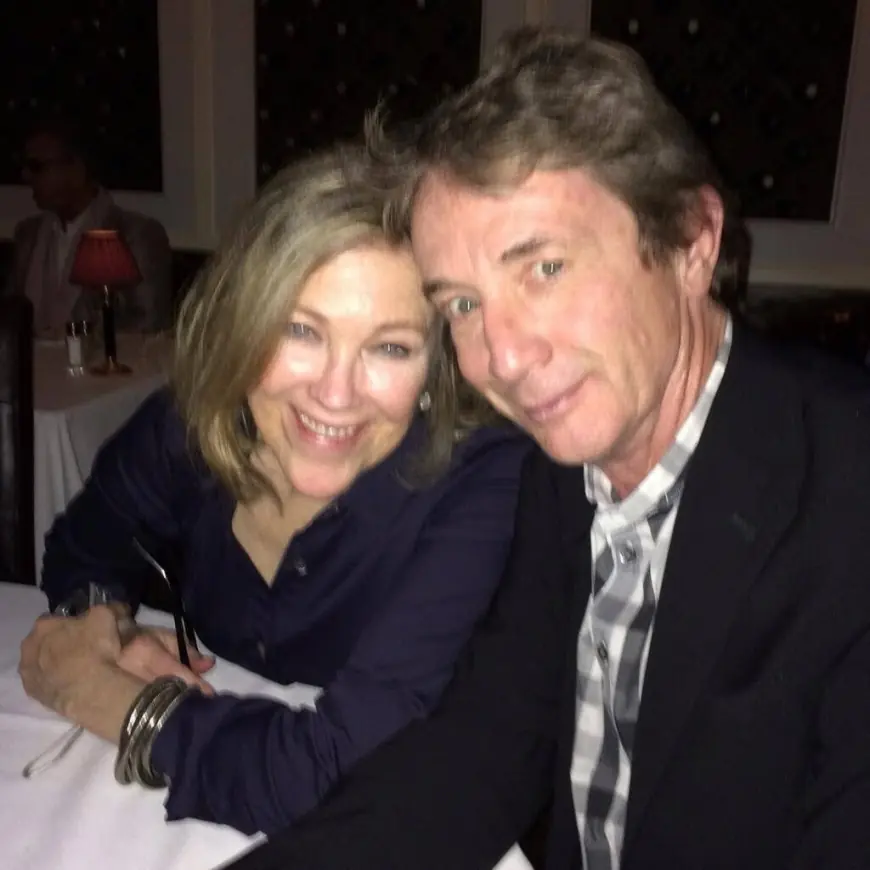
Steve Martin’s public life in early 2026 has landed at the intersection of comedy, legacy, and loss. In recent days, he and longtime collaborator Martin Short paused their live show to honor Catherine O’Hara, raising a toast just hours after news of her death. The moment was both intimate and instantly viral, a reminder that Martin’s late-career surge has never been only about punchlines. It is also about the long relationships that built modern screen comedy, and the fragility of that generation’s shared history.
At the same time, Martin remains busy on two fronts: a packed run of live dates that keeps him in front of sold-out theaters, and continued awards-season attention tied to his ongoing work in television. The result is a rare dual track for an entertainer in his late seventies: still actively performing, still collecting fresh nominations, and still being asked, again and again, whether the next curtain call will be the last.
What happened: the onstage toast that turned into a headline
On the night of January 30, 2026 ET, Martin and Short were onstage in Austin, Texas when they addressed O’Hara’s death and raised a glass in her honor. O’Hara, a beloved comic actor with deep roots in sketch and ensemble comedy, died earlier that day after a brief illness. The tribute was not a planned segment. It was the kind of spontaneous pause that happens when performers are carrying personal grief into a room that came for laughter.
That is why the clip traveled. It revealed the human infrastructure behind decades of comedy: the friendships forged in earlier eras of live sketch, the shared projects that shaped careers, and the sense that an audience is not just watching entertainers, but witnessing a community of artists aging in real time.
Behind the headline: why Steve Martin’s “public grief” resonates now
Context matters. Martin and Short have spent the last several years turning their partnership into a touring institution, a live experience built around warmth as much as wit. In that format, the audience expects jokes, but it also expects stories, camaraderie, and the occasional crack in the facade.
The incentive structure is different from a scripted show. A live tour rewards authenticity because it deepens loyalty. When two performers with long histories show real emotion onstage, it can strengthen the bond with fans rather than weaken the entertainment value. But it also raises stakes: every moment becomes part of the ongoing narrative of two legends still working, still present, still accountable to their own past.
O’Hara’s death also reactivates a larger cultural feeling: that an entire comedic era is passing, and that the surviving figures are now both entertainers and custodians of memory.
The work continues: touring momentum and what it signals
Even with that heavy moment, the tour keeps moving. The schedule in early 2026 includes multiple dates across the United States, with late-winter and spring stops that signal steady demand. This is not a nostalgia lap with a handful of farewell shows. It is a sustained run that requires rehearsal, travel stamina, and a willingness to stay exposed to the public.
For Martin, that persistence is the story. His touring presence is not a side hobby. It is an active pillar of his late career, and it keeps him connected to audiences in a way film appearances no longer do as reliably.
Second-order effects show up here too. As touring becomes the primary way legacy comedians stay culturally central, the stage becomes a place where personal milestones, losses, and reflections get folded into the act. That can deepen the experience, but it can also blur the line between performance and real life in ways that are emotionally taxing over time.
Awards heat and the retirement question that will not go away
Martin’s television work continues to draw awards attention, extending a late-career chapter that surprised even longtime fans. The industry’s appetite for him in a modern ensemble format has kept him in the conversation alongside younger co-stars, proving he can still anchor a hit while playing to a different rhythm than his stand-up peak.
That success is also what keeps the retirement question alive. In recent years, Martin has openly mused about stopping once his current television run ends, then later suggested that talk was overstated. The push and pull is familiar: audiences want clarity, but performers often live in “not yet” rather than “never again.”
What’s missing, and what to watch, is not a single announcement. It is the pattern of choices: fewer new long-term commitments, more limited-run projects, and a heavier emphasis on touring and music collaborations that fit a self-directed schedule.
What happens next: realistic scenarios for Steve Martin’s 2026 path
A continued live run with selective television work
Trigger: demand stays strong and the current series remains a reliable platform without requiring constant reinvention.
A gradual shift toward fewer dates, not a hard stop
Trigger: stamina and travel logistics become the limiting factor, prompting shorter runs and more clustered bookings.
A “legacy curation” phase
Trigger: Martin prioritizes books, archival releases, and collaborations that preserve the work without the grind of production schedules.
A farewell framed as gratitude, not spectacle
Trigger: he chooses a final run of shows designed to celebrate partnership and career rather than sell a dramatic ending.
An open-ended continuation
Trigger: the work remains joyful and flexible enough that there is no reason to draw a line.
Why it matters
Steve Martin’s 2026 moment is not about one headline or one tour date. It is about how a cultural figure ages in public while still producing new work, and how comedy itself changes when the artists who defined earlier eras become living bridges between generations. The onstage toast for Catherine O’Hara was a reminder that behind the laugh track is a real community, and that the most powerful moments often happen when the show briefly stops being a show.