




















Republicans Criticize ‘Woke’ Netflix, Overlook YouTube

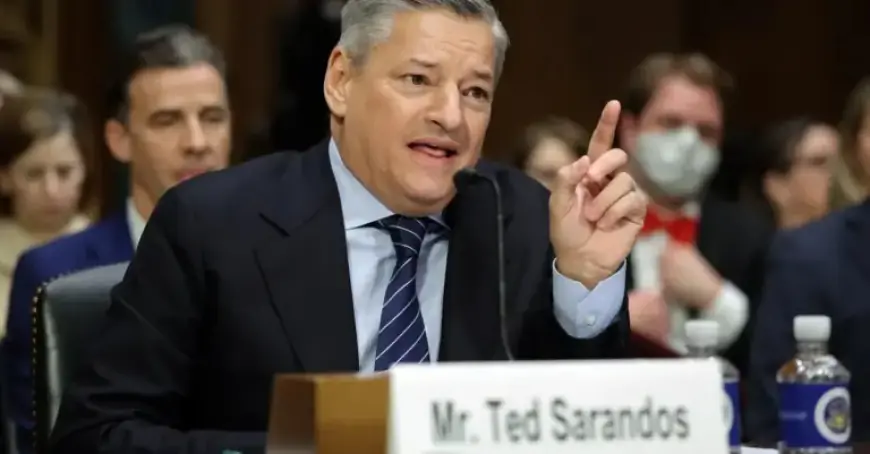
The Senate hearing featuring Netflix co-CEO Ted Sarandos highlighted rising tensions around the so-called “woke” ideology in media. The session began with an antitrust focus regarding the Warner Bros. merger but swiftly shifted to criticisms from Republican lawmakers regarding Netflix’s content, particularly that aimed at children.
Republican Criticism of Netflix’s Content
Senator Josh Hawley of Missouri questioned Sarandos about the alleged promotion of a “transgender ideology” in Netflix’s children’s programming. He claimed that “almost half” of the streaming service’s content for kids contained such themes, a statement that lacks substantial evidence. This line of questioning echoes earlier campaigns from high-profile figures like Elon Musk, who suggested that subscribers should disengage from Netflix due to its perceived political agenda.
Responses from Netflix
In response, Sarandos maintained that Netflix’s primary goal is to entertain rather than to endorse any political narrative. Other senators, including Ashley Moody and Eric Schmitt, cited controversial content and Netflix’s past statements related to social issues to support their concerns. Sen. Ted Cruz even referenced Billie Eilish’s comments from the Grammys as part of the inquiry.
Senator Hawley expressed concerns that Netflix does not reflect the values of many American parents and warned against its potential dominance in the streaming market. As proposed mergers with Warner Bros. could enhance its influence, the critiques aimed to draw a link between such concentration and the content produced.
The Oversight of YouTube
Amidst the scrutiny on Netflix, it is noteworthy that YouTube, another massive platform, was disregarded during these discussions. Sarandos acknowledged the platform’s growing significance, stating, “YouTube is not just cat videos anymore; it’s TV.” In December 2025, data from Nielsen indicated that Netflix accounted for 9 percent of viewing in the US, while YouTube commanded a larger 12.7 percent share.
YouTube’s Unique Challenges
Unlike Netflix, YouTube is a free service that hosts a vast array of user-generated content. This model allows it to bypass the high production costs that affect subscription services like Netflix. However, this abundance brings its own issues. Content on YouTube can be incredibly varied, including videos not suitable for children.
- YouTube offers free access to an extensive range of content.
- Its viewership model contrasts sharply with Netflix’s subscription-based system.
- Concerns about content quality exist for child viewers.
Despite this, the ongoing debate around media content priorities appears to overlook YouTube’s significant influence and the diverse agendas it presents. Lawmakers focused on Netflix might consider redirecting their focus to YouTube when addressing concerns about what children are consuming.
The conclusion remains that if critics are dissatisfied with Netflix’s offerings, they have the option to unsubscribe, as suggested by Sarandos during the hearing. This might be a solution worth considering amidst the growing scrutiny of content across streaming platforms.