
























NBA trades in motion: Magic send Tyus Jones to Hornets in draft-pick sweetened deal as teams reset rotations


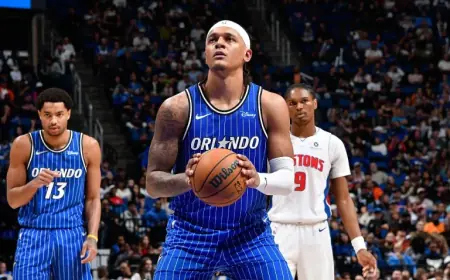
The Orlando Magic moved veteran guard Tyus Jones to the Charlotte Hornets in a draft-pick sweetened deal that reshapes both teams’ backcourt plans on NBA trade deadline day. The swap is widely viewed as a payroll and flexibility play for Orlando, while Charlotte adds a steady, low-mistake ball-handler and more future draft ammo as it continues to retool.
The trade, in plain terms
Orlando sent Jones plus two future second-round picks to Charlotte in exchange for cash considerations. The Magic included draft sweeteners to make it worthwhile for the Hornets to absorb Jones’ $7 million expiring salary.
| Item | Orlando Magic | Charlotte Hornets |
|---|---|---|
| Player | Send: Tyus Jones | Receive: Tyus Jones |
| Draft picks | Send: Two future second-rounders | Receive: Two future second-rounders |
| Cash | Receive: Cash considerations | Send: Cash considerations |
Why Orlando did it: tax math and roster flexibility
For the Magic, the move is primarily about finances and roster control. Shedding Jones’ salary drops Orlando below the luxury-tax line for this season, reducing the risk of paying tax now and positioning the team more cleanly for future payroll pressure.
It also clears minutes and decision-making in the backup guard rotation. Jones arrived on a one-year deal and never locked down a consistent role, starting only a handful of games while posting modest per-game numbers. Moving him now both trims the ledger and opens a slot for Orlando to evaluate other options down the stretch.
One practical wrinkle: the deal leaves Orlando at 13 standard-roster players, which means the team will need to add another player within the league’s required window to return to the minimum roster count.
Why Charlotte did it: steady guard play and more picks
For the Hornets, the appeal is twofold: a reliable guard and additional draft capital. Jones’ value is less about volume scoring and more about decision-making—he’s known as a controlled organizer who can stabilize second units, protect leads, and reduce turnover risk when the game speeds up.
Charlotte has also been active in adding backcourt depth, signaling a push to reset its rotation options around its core pieces. Jones can function as a secondary handler next to a creator or as the primary table-setter when the offense needs structure.
The two second-round picks also matter in a league where teams increasingly use second-rounders as grease in multi-team trades, salary dumps, or deadline-day “connector” moves. Charlotte has been stockpiling draft assets, and this deal fits that pattern.
What it means for rotations right away
Magic: Orlando’s immediate impact is subtraction—fewer veteran guard minutes and a clearer path for internal options. Expect the coaching staff to redistribute ball-handling across the second unit, potentially leaning more on combo guards and staggered minutes from starters to keep a steady initiator on the floor.
Hornets: Charlotte adds a veteran who can plug into multiple lineup types. If the team wants to play faster, Jones can advance the ball quickly without gambling. If it wants to slow down, he can run sets, get the ball to shooters, and manage late-clock possessions. The biggest question is how the new guard mix settles—who closes, who anchors the bench, and which lineups become the default when games tighten.
Key details to watch next
The headline is simple, but two follow-on details could shape how the deal is remembered:
-
Pick specifics: Second-round pick protections and “least favorable” language can change the real value, especially if one of the sending teams outperforms expectations in 2027–2028.
-
Orlando’s next roster move: With the minimum roster requirement looming, Orlando’s next signing—whether a short-term addition or a longer look at a developmental player—will show how it wants to use the newly created flexibility.
-
Charlotte’s deadline posture: The Hornets’ willingness to take on salary for picks can hint at more activity, either as a direct buyer/seller or as a facilitator in a three-team construction.
Even if this trade doesn’t create an immediate highlight, it is the type of deadline maneuver that can quietly matter: Orlando buys breathing room under the tax and clarifies its rotation, while Charlotte adds stability and draft leverage for future deals.
Sources consulted: Reuters; NBA.com; ESPN; Spectrum News 13 Orlando