






















Peter Attia Faces Mounting Fallout After Epstein-Related Emails Surface, Testing CBS News’ New Contributor Bet

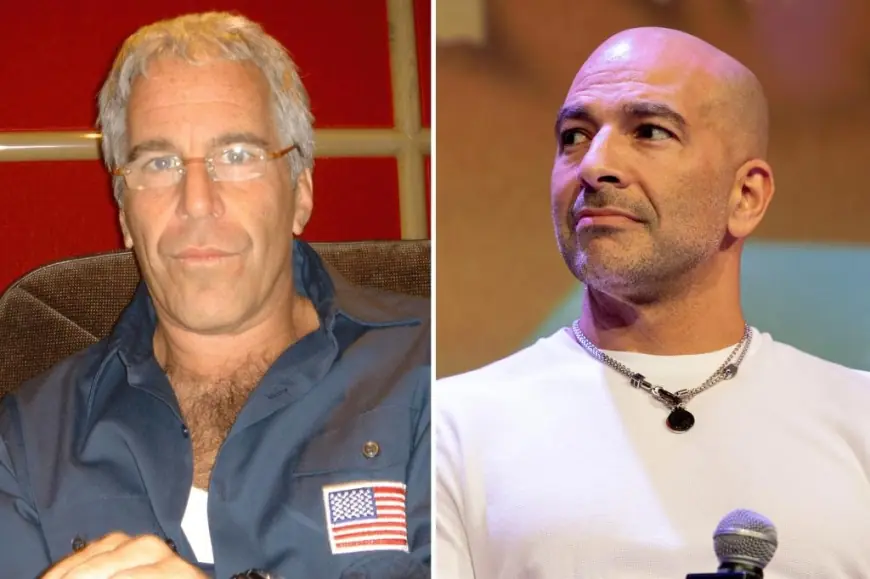
Dr. Peter Attia, the high-profile longevity physician and best-selling author, is facing intensifying professional and reputational consequences after newly released Epstein-related materials revived and expanded scrutiny of his past communications with Jeffrey Epstein. The controversy has already triggered corporate distancing, a public apology from Attia, and a new wave of pressure on CBS News, which recently brought him on as a contributor.
How Attia became a flashpoint in the latest Epstein-document release
The current backlash centers on a tranche of Epstein-related files that includes a large volume of emails and related material. Attia’s name appears repeatedly in those records, and the messages that have circulated publicly include language Attia has since described as inappropriate. The renewed attention is less about a single document than the overall picture the correspondence paints: a sustained rapport that continued well after Epstein’s legal troubles were widely known.
Attia has publicly said he never witnessed wrongdoing by Epstein and has denied involvement in Epstein’s crimes. At the same time, he has acknowledged that the tone of some exchanges was “tasteless” and “indefensible,” and he has expressed regret for what he now characterizes as a serious lapse in judgment.
Brand and business ties start snapping
The controversy has had immediate spillover into Attia’s commercial footprint, which is extensive given his prominence in health media, podcasting, and longevity-focused entrepreneurship.
In recent days:
-
Attia stepped down from a senior science role tied to a protein snack-bar company where he had served as a visible scientific figure.
-
A sleep-technology company that had highlighted him as a scientific adviser no longer displays him in that advisory context, signaling at minimum a reputational recalculation and at most a formal break.
The pattern is familiar in modern reputation crises: consumer-facing brands weigh the risk of being pulled into a cultural fight against the cost of cutting ties with a high-visibility spokesperson. Even when a figure denies criminal involvement, companies often act quickly if the association is likely to become a recurring headline.
CBS News’ credibility dilemma: contributor status meets controversy
The most consequential institutional question is what CBS News does next. Attia’s role is not merely that of a private citizen; it is linked to a major news organization’s public trust. That makes the situation structurally different from a typical influencer-brand separation.
CBS now faces overlapping pressures:
-
Viewers and staff who see the Epstein association as incompatible with journalistic credibility
-
Critics who argue that reputational vetting should have anticipated the risk of resurfacing ties in a case as heavily litigated in public memory as Epstein’s
-
A segment of the audience that views the backlash as guilt-by-association and a cautionary tale about public pile-ons
CBS has already taken at least one visible step to limit exposure by pulling a planned segment featuring Attia from a flagship newsmagazine pipeline. Whether that becomes a one-off containment move or the start of a broader separation remains the key open question.
Why the emails matter even without criminal allegations
A recurring feature of Epstein-related controversies is the gap between “incriminating” and “damaging.” Even absent any claim that Attia participated in crimes, the correspondence can still create reputational harm because it implies proximity, comfort, and normalization around a figure whose criminal conduct was not a private secret for much of the period in question.
For a doctor whose brand is built on trust—patients, health advice, and scientific credibility—the reputational standard is often higher than “not charged.” The criticism from parts of the medical community has focused on ethics and judgment: whether a physician who trades in authority should have maintained any friendly relationship, especially in writing, with someone so publicly associated with exploitation.
What remains unclear
Several facts that would sharpen public understanding are still not fully resolved in publicly available records:
-
The exact timeline of Attia’s communications with Epstein relative to Epstein’s major legal milestones
-
Whether additional messages exist beyond those already circulated, and what they show
-
The nature of any in-person meetings and whether they overlapped with professional projects or introductions to other high-profile individuals
-
CBS News’ internal review process for contributors, including what it knew and when
Until those pieces are clarified, the debate will continue to hinge on interpretations of judgment, context, and institutional standards rather than a single decisive revelation.
Next moves to watch in the coming days
The situation is likely to develop along a few realistic pathways, depending on what CBS and corporate partners decide:
-
CBS keeps Attia but narrows his role if leadership frames the issue as reputationally containable; trigger: no new material emerges and public attention fades.
-
CBS pauses or ends the contributor relationship if internal pressure grows or advertisers signal concern; trigger: sustained backlash or additional circulated emails.
-
More corporate separations as brands preemptively reduce risk; trigger: continued viral spread of screenshots, summaries, or renewed attention from major commentators.
-
Attia launches a more detailed explanation beyond a short apology; trigger: a perception that the current statement is insufficient to stabilize trust.
-
A broader vetting debate inside media about how networks recruit celebrity experts; trigger: competing calls for stricter standards versus accusations of overcorrection.
For now, the core reality is straightforward: Attia’s public standing is being tested not in a courtroom, but in the marketplace of trust—patients, viewers, and institutions deciding what level of proximity to Epstein is disqualifying, even years later.