























Deepak Chopra faces renewed scrutiny after Epstein email disclosures and fresh allegations

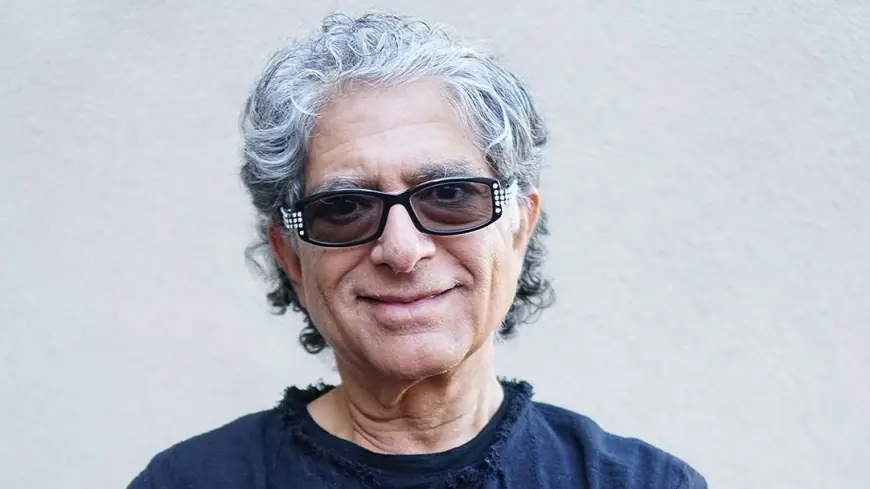
Deepak Chopra is facing a new round of public scrutiny this week after newly released Jeffrey Epstein-related records circulated online, prompting Chopra to issue an apology and deny any criminal wrongdoing. The backlash has widened beyond the emails themselves, as a separate, recently resurfaced allegation from an artist has reignited questions about conduct, accountability, and how the wellness industry handles reputational shock.
As of Thursday, February 5, 2026 (ET), there is no public indication of criminal charges involving Chopra tied to the newly circulated material. The controversy, however, is already reshaping the public conversation around his work and upcoming projects.
What the Epstein emails appear to show
The newly surfaced records include email exchanges attributed to Chopra and Epstein from the mid-to-late 2010s, years after Epstein’s 2008 conviction. The messages have drawn attention for their tone and for what they suggest about continued contact well into the period when Epstein’s reputation and legal history were widely known.
In the broader file release, the emails are being discussed alongside references to meetings and dinners in Epstein’s social orbit. Inclusion in such records does not, on its own, establish wrongdoing, but it has amplified public pressure for clearer explanations about the nature of the relationship and why contact persisted.
Chopra’s apology and denial
Chopra responded with a public statement this week saying he condemns abuse and exploitation and expressing sadness for victims. He also asserted that he was not involved in criminal or exploitative conduct, while conceding that some past email language reflected poor judgment and reads badly in hindsight.
That combination—denial of illegality paired with regret over tone—has become the center of the reaction. Critics argue the issue is not only legality, but judgment and proximity. Supporters argue that offensive language and continued correspondence are not the same as participation in Epstein’s crimes, and they point to the absence of a public allegation of criminal conduct involving Chopra.
A separate allegation adds fuel
As the email story spread, an artist and entrepreneur, Sevda Rubens, posted a claim describing an encounter with Chopra during a meditation event when she was 16. She characterized his behavior as inappropriate and said it made her feel uncomfortable. The allegation has not been publicly adjudicated and key details remain unclear, but its timing—arriving as the Epstein emails trended—has intensified calls for a fuller response from Chopra and organizations linked to him.
The episode reflects a familiar pattern in high-profile controversies: once one story breaks, additional claims—verified, disputed, or unresolved—tend to surface and gain traction quickly.
Key dates in the current wave
| Date (ET) | Development | Why it matters |
|---|---|---|
| Fri, Jan. 30, 2026 | A large new trove of Epstein-related records begins circulating widely | Spurs renewed examination of Epstein’s network and contacts |
| Wed, Feb. 4, 2026 | Chopra issues a public statement denying wrongdoing and expressing regret about email tone | Establishes his core defense while acknowledging reputational damage |
| Thu, Feb. 5, 2026 | Additional coverage amplifies both the emails and Rubens’ allegation | Expands the controversy beyond the original documents |
How this collides with Chopra’s business and public-facing work
Chopra remains one of the best-known figures in the modern wellness economy, spanning books, speaking, meditation programming, and premium retreats. That visibility cuts both ways: it provides a large audience, but also makes reputational risk immediate and commercially consequential.
This week’s controversy arrives as he promotes “Awakening: The Path to Freedom and Enlightenment,” a new book positioned around consciousness, identity, and personal transformation. He also has scheduled appearances and wellness-related events through early 2026. The question now is less about whether he will continue working—his platform is extensive—and more about how partners, venues, and audiences respond in the coming weeks.
What happens next and what to watch
The near-term trajectory will likely depend on three measurable signals:
-
Clarification on contact and context: whether Chopra offers more detail about the nature, frequency, and purpose of his interactions with Epstein beyond general denials.
-
Institutional responses: whether event organizers, publishers, or collaborators make changes to schedules, promotions, or partnerships.
-
Verification and follow-up on allegations: whether the separate claim gains corroboration, legal action, or formal investigation—none of which is publicly confirmed at this time.
For now, the controversy is being driven by two forces at once: the shock value of the disclosed messages and the broader cultural demand for accountability in industries built on trust and personal guidance. Even without a courtroom development, the reputational stakes are real—especially for a public figure whose brand is tied to ethics, healing, and credibility.
Sources consulted: NPR, The Guardian, NDTV, Penguin Random House