Black History Month 2026: what it is, why February, and what to do with it

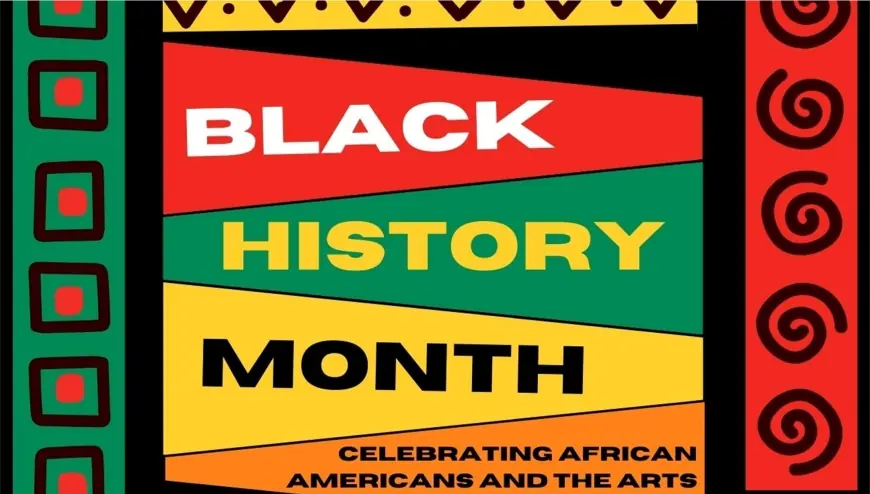
Black History Month is an annual observance that highlights the history, achievements, and ongoing contributions of Black people. In the U.S. it’s recognized every February, and in 2026 it continues to be marked through schools, museums, libraries, community groups, workplaces, and cultural institutions.
Why Black History Month is in February
February traces back to “Negro History Week,” launched in 1926 by historian Carter G. Woodson and the Association for the Study of Negro Life and History. The week was chosen to align with the birthdays of Abraham Lincoln (Feb. 12) and Frederick Douglass (often commemorated Feb. 14). Over time, the observance expanded beyond a week and became Black History Month, with broad U.S. recognition developing in the late 20th century.
What Black History Month is trying to do
It’s not just a list of “firsts.” At its best, it’s a prompt to:
-
put Black experiences into the center of U.S. history rather than the margins,
-
connect historical systems to present-day realities,
-
amplify voices and stories that were excluded from mainstream textbooks,
-
celebrate cultural impact (arts, science, politics, sports, labor, religion, and more).
A simple way to structure it (school, work, or personal)
Pick one theme each week so it doesn’t become a scattershot highlight reel:
Week 1: Foundations
-
Reconstruction, Jim Crow, the Great Migration, and Black institution-building
Week 2: Culture and creativity
-
music, literature, film, visual art, fashion, foodways, and language
Week 3: Struggle and organizing
-
abolition, civil rights, Black Power, labor organizing, voting rights, legal battles
Week 4: Innovation and leadership
-
science and medicine, entrepreneurship, education, local leadership, civic life
What to do this month (practical ideas)
-
Read one book by a Black historian or journalist and one book of fiction or poetry.
-
Visit a local museum, archive, walking tour, or historic neighborhood site.
-
Watch a documentary with a specific focus (not a general “civil rights overview”).
-
Support a Black-owned business you’ll keep using after February.
-
Interview an older family or community member about their life history and preserve it (audio notes work).
-
If you’re a manager/teacher: spotlight Black contributions in your actual field (engineering, law, medicine, design), not just politics and sports.
If you tell me your context, I’ll tailor it
Say one of these and I’ll give you a tight, ready-to-use plan:
-
your country (or city), and whether this is for school, work, or personal learning
-
the age group (if it’s for kids/students)
-
your interests (music, politics, science, literature, sports, local history)