Peter Attia faces renewed scrutiny over Epstein emails and media role

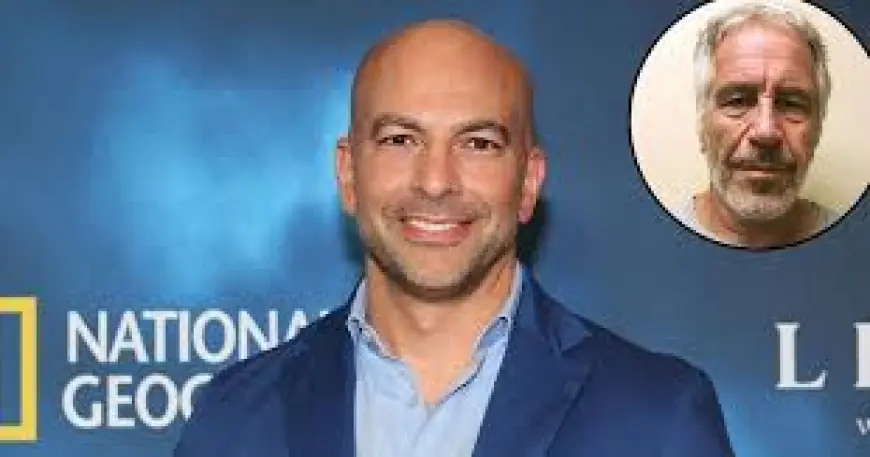
A fresh release of Jeffrey Epstein-related emails has pushed Dr. Peter Attia, the physician and longevity entrepreneur behind a high-profile podcast and best-selling health book, into a fast-moving reputational storm. The records show years of correspondence and meetings with Epstein, and the fallout has spread from public criticism to corporate distancing and questions about Attia’s on-air presence. As of Thursday, Feb. 5, 2026 (ET), Attia has issued an apology and denial of criminal wrongdoing, while institutions linked to his work weigh next steps.
What the Epstein emails show
The newly surfaced material includes email exchanges between Attia and Epstein from the mid-to-late 2010s, after Epstein’s earlier criminal case but before his later federal arrest. The messages include crude sexual jokes and indications of an ongoing relationship that went beyond a brief introduction.
Attia has acknowledged meeting Epstein in 2014 and visiting Epstein’s Manhattan home multiple times over several years. He has also said the relationship was framed around health, science, and introductions to other people, and he has said he did not witness illegal conduct. The contents still raised immediate questions because the tone of several messages clashes sharply with Attia’s public brand as a clinician and health authority.
Attia’s response and the “indefensible” language
In a written statement shared publicly this week, Attia apologized for emails he called “indefensible” and said he was ashamed of the language. He has tried to separate that behavior from any criminal activity, emphasizing that the messages were inappropriate but not evidence of participation in Epstein’s crimes.
He also described the relationship as a serious lapse in judgment: maintaining contact with a man already widely known for a prior conviction created obvious reputational and ethical risk. That framing—apology for tone, denial of wrongdoing—has not ended the controversy, but it has defined the public debate: whether a high-visibility health commentator can credibly remain in trusted roles after demonstrating that level of familiarity.
Key takeaways
-
The emails include crude jokes and signs of an extended relationship over multiple years.
-
Attia apologized for the language and called it indefensible, while denying criminal wrongdoing.
-
The fallout has included removals from advisory roles and uncertainty around media appearances.
Business and brand fallout
The controversy has produced concrete professional consequences beyond social media outrage. A sleep-technology company removed Attia from a prominent listing of its scientific advisory board. A protein-snack brand also announced that Attia stepped down from an executive science role. The timing matters: both moves came within days of the email trove entering mainstream discussion, suggesting swift reputational triage by corporate partners.
This kind of response is typical when a public-facing advisor is perceived as a liability. Even when wrongdoing is not alleged in a legal sense, boards and brands often react to protect investor confidence, customer trust, and internal morale. Whether additional partnerships follow suit will likely depend on two factors: how much more information emerges from the email release, and whether major employers or platforms decide to keep Attia in prominent roles.
The media questions and the pulled segment issue
The controversy has also collided with Attia’s expanding media footprint. A scheduled re-airing of a long-form television segment featuring Attia was pulled this week amid the scrutiny. That programming decision has fueled a second layer of questions: not just what Attia did, but what standards a newsroom should apply when featuring a health authority whose judgment is being challenged.
At the same time, there has been no definitive public statement that he has been terminated from his contributor role at a national television news organization. Industry coverage has described internal debate over how to handle the situation, suggesting that even if formal ties remain intact, practical decisions—such as limiting airtime—could shape how visible Attia is in the near term.
What to watch next
Three developments are likely to determine the trajectory over the coming weeks:
-
Whether more detailed records surface that change the understanding of the relationship—frequency of contact, nature of meetings, and any third-party connections.
-
Institutional decisions by employers, advertisers, and corporate partners, which can accelerate quickly once one major organization acts.
-
Attia’s follow-up messaging, including whether he provides more specifics about why he stayed in contact and what he now views as warning signs he missed.
For now, the core facts in public view remain limited: a documented relationship, vulgar exchanges, an apology for language, and a cascade of professional consequences—without publicly confirmed evidence tying Attia to Epstein’s criminal conduct.
Sources consulted: Reuters, CBS News, The Atlantic, Los Angeles Times