




















Estonian Foreign Minister Rejects President’s Kremlin Talks Proposal
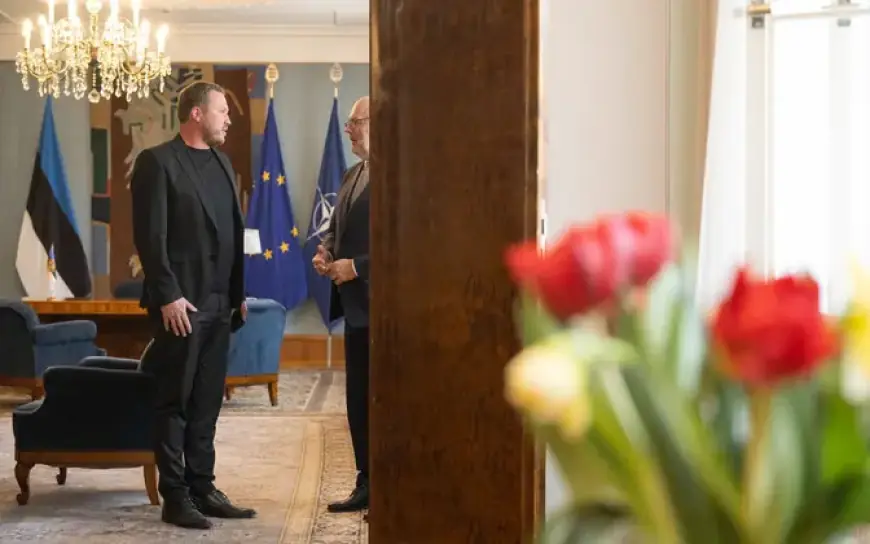
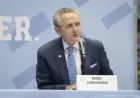
In a significant diplomatic discussion, Estonian Foreign Minister Margus Tsahkna firmly opposed President Alar Karis’ suggestion to engage in talks with Russia. The statements were made amid growing debates in Europe regarding the necessity of reopening dialogue with the Kremlin, especially as U.S.-led negotiations have gained momentum.
Estonian Leaders’ Divergent Views on Russia Negotiations
During interviews at the World Governments Summit in Dubai, both President Karis and Latvian Prime Minister Evika Siliņa acknowledged the importance of diplomatic engagement. However, Siliņa emphasized that any communication with Russia must be in consultation with Ukraine. “We need to isolate Russia while maintaining sanctions,” she stated.
President Karis echoed this sentiment, asserting that the European Union should play a pivotal role in any discussions. “Although we are not fighting directly with Russia, we have supported Ukraine for many years,” he remarked.
Need for Caution in Diplomatic Measures
Despite expressing the necessity for talks, Karis faced criticism from his own Foreign Minister. Tsahkna condemned the push for dialogue, insisting that it would undermine both Ukraine’s position and Europe’s security. He described any outreach to the Kremlin as potentially dangerous, stating, “Holding talks with the Kremlin would not move us forward.” He emphasized that Russia continues its aggressive behavior, making negotiations unwise.
Tsahkna pointed out that engaging in dialogue could signal Western weakness, allowing Russia to exploit divisions among European allies. He urged a return to a strategy that prioritizes strong support for Ukraine and increased pressure on Russia instead of seeking diplomatic engagement.
Responses from European Leaders
Former Estonian Foreign Minister Urmas Paet supported Tsahkna’s position, arguing that the European Union already has sufficient means of communication with Russia and does not require a special envoy at this point. He stated that the focus should remain on the EU’s diplomatic integrity and adherence to its core principles amid ongoing conflicts.
As discussions around a potential special envoy for Europe to engage with Russia unfold, the debate illustrates a clear tension between the Estonian government and the presidency. The notion of direct dialogue with Russia is becoming increasingly contentious as Europe grapples with its strategic response to the ongoing crisis in Ukraine.
Looking Ahead
The Estonian Prime Minister, Kristen Michal, is expected to weigh in on this critical topic in a future press conference, as the government deliberates on its foreign policy strategy in light of the escalating situation.
- Estonian Foreign Minister Margus Tsahkna opposes President Karis’ Kremlin talks proposal.
- Latvian Prime Minister Evika Siliņa supports consultation with Ukraine prior to negotiations.
- The discussion highlights diverging views within Estonian leadership on engaging with Russia.
- Calls for solidarity with Ukraine and maintaining sanctions against Russia prevail.
This ongoing discourse marks a pivotal moment in Estonian and European foreign policy as leaders continue to evaluate the best course of action concerning Russia. The balance between diplomacy and strong opposition remains a critical focus.