





















Netflix Encourages Cancellation if HBO Merger Raises Costs

The potential acquisition of Warner Bros. Discovery by Netflix has raised concerns about the future of subscription costs and competition in the streaming market. As discussions unfold, Netflix remains optimistic about the merger’s impact, arguing that it could benefit consumers.
Concerns Over Subscription Costs
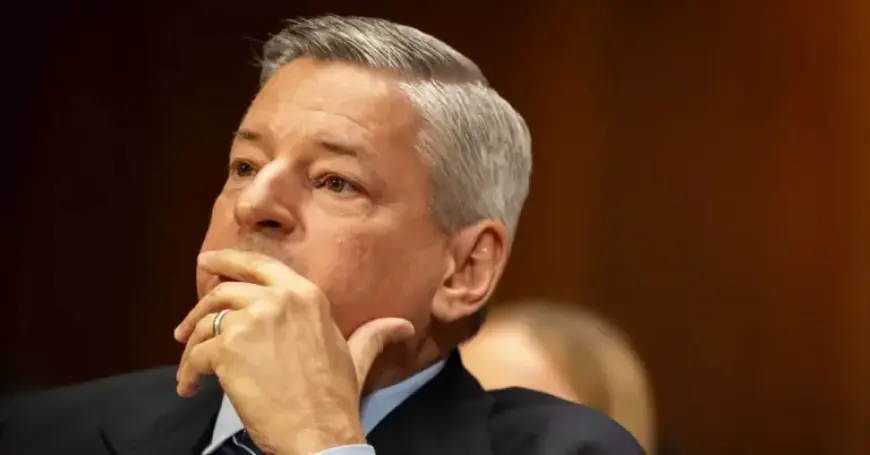
During a recent hearing held by the US Senate Judiciary Committee, Netflix co-CEO Ted Sarandos addressed the fears surrounding the merger. Critics worry that less competition could lead to increased subscription prices. However, Sarandos contended that the merger would not result in monopolistic pricing strategies.
Details from the Senate Hearing
- Senate hearing titled: “Examining the Competitive Impact of the Proposed Netflix-Warner Brothers Transaction.”
- Participants included Netflix co-CEO Ted Sarandos and Senate members, including Amy Klobuchar (Democrat, Minnesota).
- Date of hearing: Recent Tuesday.
At the hearing, Sarandos emphasized the complementary nature of Netflix and Warner Bros. Discovery’s streaming services. He noted that 80% of HBO Max subscribers also use Netflix, implying that the merger would enhance content availability without introducing monopoly risks.
Subscriber Statistics and Streaming Industry Competitiveness
Netflix is the largest subscription video-on-demand service globally, boasting 301.63 million subscribers as of January 2025. In comparison, Warner Bros. Discovery holds around 128 million streaming subscribers, which includes HBO Max and Discovery+ users.
Affordability Concerns Raised
Senator Klobuchar questioned Sarandos on how Netflix plans to maintain affordability, given its recent price increase in January 2025. Sarandos responded by highlighting the competitive nature of the streaming landscape. He assured that Netflix subscribers benefit greatly from the content provided relative to costs.
- Average earnings per hour of content for Netflix: $0.34
- Average earnings per hour of content for Paramount+: $0.76
With past price hikes, Sarandos asserted that subscribers received significantly more value. He emphasized the ease with which customers could cancel their subscriptions if dissatisfied, stating, “We are a one-click cancel.”
Competitive Landscape and Market Share
Sarandos addressed monopoly concerns by positioning Netflix as both a competitor and a supplier in the industry. He referenced tech giants like Google, Apple, and Amazon as significant players in the market, asserting that Netflix’s history of expanding content availability has always focused on consumer choice.
YouTube’s Dominance
In terms of TV viewership, Sarandos referenced Nielsen’s data, which indicated that YouTube holds the highest share of TV viewership at 12.7%. Netflix follows at 9%. He mentioned that should the merger occur, Netflix’s market share could rise to 21% in the streaming segment.
While the merger remains under scrutiny, Netflix’s leadership is committed to demonstrating how it can create value for its subscribers in this evolving landscape.