
























Fairfax Mayor Urges State to Enable Church-Based Affordable Housing

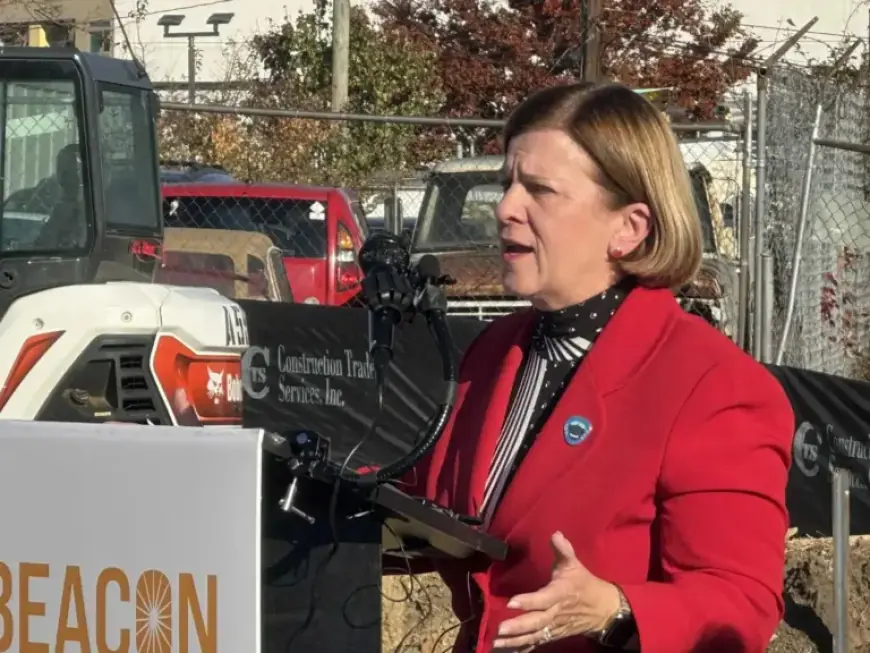
Fairfax City Mayor Catherine Read is advocating for legislation aimed at easing the affordable housing crisis. Her testimony supports Senate Bill 388, which seeks to allow religious organizations to develop housing on their properties without facing cumbersome approval processes. This initiative, led by State Senator Jeremy McPike, is designed to help expedite affordable housing projects.
Details of Senate Bill 388
Senate Bill 388 eliminates the need for special use or conditional use permits that involve public hearings. If passed, the bill would require that at least 60% of the units in any housing development are designated as committed affordable homes for a minimum of 30 years.
Key Legislative Progress
- The Senate Committee on Local Government passed the bill with a 9-4 vote and one abstention.
- Full Senate consideration is next, and if approved, the effective date would be September 1, 2026.
- A companion bill in the House must also be approved in the 2027 General Assembly session.
Importance of Streamlined Processes
During her testimony, Read highlighted the lengthy timeline of the Glebe View townhouse project, which is being developed by Habitat for Humanity of Northern Virginia on church property. The project faced numerous public hearings and delays which extended the approval timeline to nearly ten years.
Impact on Affordability
Originally intended for households earning 40% to 60% of the area median income (AMI), rising construction costs pushed the threshold to 80% AMI. Read emphasized that delays inevitably lead to higher expenses, exacerbating the affordability crisis.
Regulatory Safeguards
While SB 388 removes the need for a rezoning process, developments will still require administrative approvals, including design reviews and adherence to existing height and density restrictions. Read stated that the legislation does not provide unchecked development but rather facilitates housing construction under regulated conditions.
Community Response
The reaction from the Fairfax County Board of Supervisors has been mixed. Some members recognize the need to reduce bureaucratic hurdles, while others express concern about public engagement being diminished. This legislative effort has also attracted support from other local leaders, demonstrating a collaborative approach to addressing the housing affordability crisis.
Conclusion
Though Mayor Read acknowledges that this legislation is not a singular solution to the affordable housing issue in Fairfax City, it is a crucial step in providing tools for localities to develop housing that meets residents’ needs. Other housing-related bills are also making their way through the legislative process, reflecting the urgent necessity to tackle this ongoing challenge.