
























Universities and States Boost Surveillance on Professors

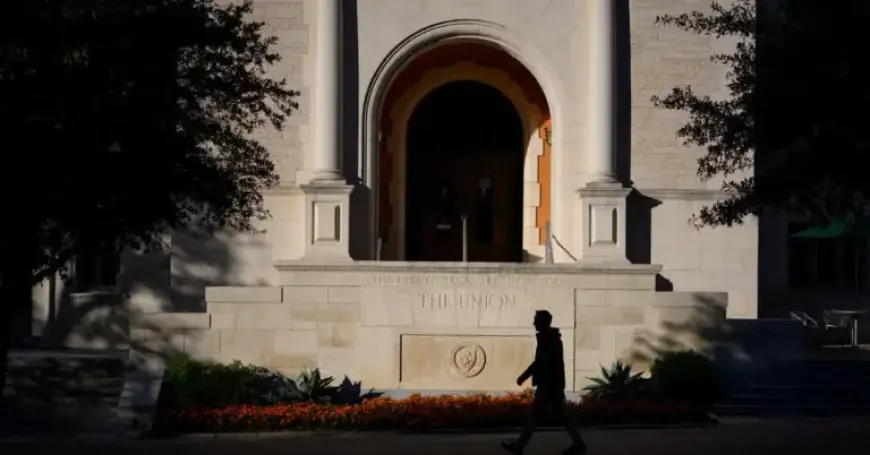
Universities and states are increasingly monitoring professors, raising concerns about academic freedom. The trend involves heightened surveillance from state officials, university administrators, and even students.
Surveillance of Professors on the Rise
Recent incidents in states such as Oklahoma and Texas highlight this growing scrutiny. In Oklahoma, a student’s grading dispute with a professor attracted attention from the conservative group Turning Point USA, resulting in the instructor’s removal. In Texas, a student’s recording of a classroom discussion on gender identity led to viral backlash and ultimately the firing of the instructor.
Legislative Changes Impacting Academic Freedom
Several states, including Texas, Ohio, and Florida, have enacted laws requiring professors to publicly post their course outlines in searchable databases. This legislative action is part of a broader conservative movement, which claims to address perceived liberal bias in higher education. These efforts have gained traction since the Trump administration placed greater emphasis on changing campus culture.
- Oklahoma: Instructor removed after student complained.
- Texas: Outrage over a recorded discussion led to an instructor’s firing.
- Ohio and Florida: New laws mandate course outline transparency.
John White, a professor from the University of North Florida, expressed deep concerns about this environment. He noted that he was compelled to omit terms like “diversity” and “inclusion” from his syllabus under the threat of course cancellation.
Calls for Transparency or Censorship?
University leaders assert that increased transparency will enhance accountability. Peter Hans, president of the University of North Carolina system, announced plans for all campuses to establish searchable syllabus databases starting in the upcoming fall semester. He believes this move will foster confidence among students and parents regarding academic content.
Nevertheless, dissenting voices warn that this transparency initiative could lead to self-censorship among faculty. Jonathan Friedman of PEN America cautioned against the potential for a “McCarthyist” environment where the scrutiny of syllabi becomes a mechanism for targeting professors discussing contentious topics.
The Impact on Academic Courses
Professors in sensitive fields such as gender studies experience intense scrutiny. Many educators report feeling compelled to adopt strategies that minimize their exposure to backlash. For instance, some have begun to maintain two versions of their course plans—one for public view and another for their students.
| State | Legislative Action |
|---|---|
| Texas | Complaints office established for reporting professors |
| Florida | Mandatory searchable databases for syllabi |
| Oklahoma | Increasing student complaints and scrutiny |
Academics report feeling pressured to avoid discussing certain topics. Dan Royles, a historian, revealed his approach of alluding to L.G.B.T.Q. history without using potentially triggering terminology, indicating a cautious navigation of academic discourse.
The Chilling Effect of New Laws
Case studies reveal how new regulations impact professors. For example, Benjamin Robinson from Indiana University faced reprimands after a student complained about his views in a course on German philosophy. State laws aimed at ensuring “intellectual diversity” complicate the teaching environment, making it harder to discuss politically charged issues.
Robinson expressed that the vagueness of the law fosters a hostile environment, diminishing the possibility of genuine academic dialogue. The growing climate of surveillance leaves professors walking on eggshells, inhibiting open expression.
As states implement these oversight measures, the academic landscape faces critical questions about the balance between accountability and academic freedom. With educators reporting fear of retribution, the implications for the future of university classrooms remain uncertain.