























2026 Winter Olympics Host Country and Schedule: Italy Welcomes Milano Cortina Games With Opening Ceremony Set for February 6

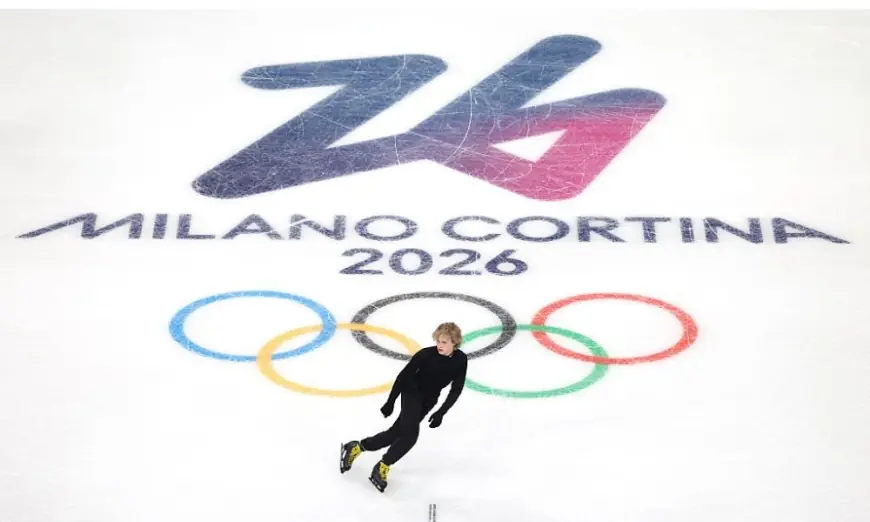
The 2026 Winter Olympics will be held in Italy, with events staged across multiple sites in northern Italy under the Milano Cortina banner. The Games run February 6 through February 22, 2026, with competition beginning earlier in the week and the Opening Ceremony serving as the official kickoff in prime time for global audiences.
For viewers trying to plan around the biggest moments, the key dates are now clear: Opening Ceremony on Friday, February 6, 2026, and Closing Ceremony on Sunday, February 22, 2026, both in USA Eastern Time.
Where are the 2026 Winter Olympics held?
Italy is the host country, with two official host cities anchoring a cluster-style plan:
-
Milan for many of the major indoor ice events and ceremonies
-
Cortina d’Ampezzo and surrounding mountain clusters for many snow sports and sliding events
The format is designed to use existing venues where possible, spread crowds, and lean into Italy’s city-and-mountain contrast rather than concentrating everything into a single Olympic park.
Winter Olympics schedule: the dates that matter most
Here is the clean, planning-friendly timeline in ET:
-
Competition begins: Wednesday, February 4, 2026, ET
-
Opening Ceremony: Friday, February 6, 2026, ET
-
Games run: February 6 to February 22, 2026, ET
-
Closing Ceremony: Sunday, February 22, 2026, ET
That early start to competition is a common Olympics feature now: qualification rounds and some events begin before the ceremonial opening, while the Opening Ceremony remains the formal start of the Games.
Winter Olympics Opening Ceremony: what to expect and why it matters
The Opening Ceremony is scheduled for February 6, 2026, ET, at Milan’s iconic stadium venue. Beyond spectacle, the Opening Ceremony is a strategic reset button for the Games:
-
It introduces the thematic identity of the Olympics and the host country’s “story” for the next two weeks
-
It re-centers attention on athletes after days of pre-Games news cycles
-
It is one of the few moments when non-sports fans tune in, which makes it hugely important for sponsors and broadcasters
Because the 2026 Olympics are geographically spread out, the ceremony is also expected to highlight how the Games connect city sites and mountain venues as one shared event rather than separate festivals.
Behind the headline: why Italy’s multi-site plan is the real story
The most consequential shift in 2026 is not which country hosts, but how hosting works.
Italy’s approach reflects the modern Olympics reality: building brand-new venues from scratch is expensive, politically unpopular, and often criticized after the Games end. A distributed plan offers a different incentive structure:
-
Hosts reduce construction pressure by leaning on existing arenas and established resort infrastructure
-
Regions share the economic upside instead of concentrating all benefits in one city
-
Organizers trade simplicity for resilience, because spreading venues can reduce single-point failures but increases operational complexity
Stakeholders are also more varied. Local governments want tourism and legacy projects, athletes want reliable transport and training conditions, broadcasters want predictable prime-time windows, and organizers want to prove a modern Olympics can be ambitious without looking wasteful.
Second-order effects will matter too. With venues spread across northern Italy, travel time and logistics can become competitive factors in subtle ways: recovery routines, media schedules, and even how quickly teams can adapt to weather shifts across different mountain zones.
What we still don’t know
Even with the anchor dates confirmed, several details will shape how fans experience the Games:
-
Exact event times for every sport in ET as start lists finalize
-
How weather affects outdoor schedules, especially in the mountains
-
Which events land in the most-viewed prime-time windows in the United States
-
Late adjustments to session times, which often happen close to competition
What happens next: realistic scenarios to watch
-
A finalized daily timetable locks in prime-time medal nights, triggering a surge in ticketing and travel planning.
-
Weather-driven changes shift outdoor event start times, moving headline finals into different broadcast windows.
-
Breakout stars emerge in the first competition days, reshaping which sports become “must-watch” for casual fans.
-
Logistics become a story if teams or fans face unexpected travel bottlenecks between venue clusters.
-
The distributed-hosting model gets judged in real time: if it feels seamless, it becomes a template; if it feels fragmented, it becomes a cautionary tale.
Italy is hosting the 2026 Winter Olympics, and the schedule is now easy to anchor: competitions begin February 4, the Opening Ceremony is February 6, and the Games conclude with the Closing Ceremony on February 22, all in ET.