
















Judge Denies Trump Lawyers’ Bid to Federalize Hush Money Appeal

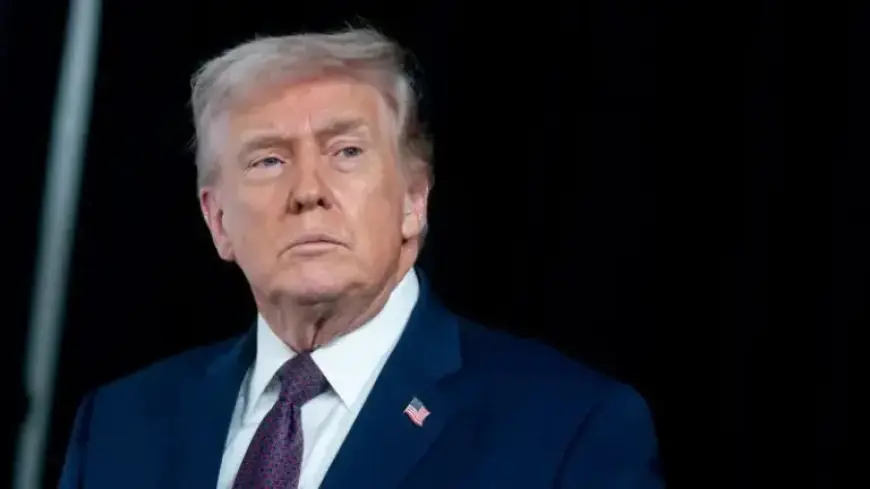
A federal judge has expressed skepticism towards President Donald Trump’s attempt to transfer the appeal of his hush money conviction to federal court. This legal maneuver follows previous attempts in two other courts. Judge Alvin Hellerstein raised concerns that Trump’s legal team missed their opportunity to make the case for federalization of the appeal.
Key Details of the Case
Trump was convicted in 2024 on 34 counts of falsifying business records linked to hush money payments made to adult film actress Stormy Daniels. This conviction involved actions that were argued to influence the 2016 presidential election.
Judge Hellerstein’s Observations
- Judge Hellerstein noted that Trump’s lawyers sought resolutions in multiple courts but delayed moving the case to federal jurisdiction.
- During the hearing, he emphasized the strategic decisions made by the defense team regarding the Supreme Court ruling on presidential immunity.
- He maintained that Trump’s legal representatives appeared to forfeit their opportunity by first addressing matters with state court Judge Juan Merchan.
Arguments Presented
Trump’s attorney, Jeffrey Wall, refuted Hellerstein’s critiques, asserting that bypassing the state court judge would have been inappropriate. Wall emphasized the urgency of addressing the matter with Judge Merchan as Trump was scheduled for sentencing soon after.
Hellerstein pointed out that Trump’s attorneys missed the 30-day timeframe to move the case federally, thus limiting their options. He further challenged the claim that their need to appease the state court constituted “good cause” for reconsideration.
Current Status of the Appeal
Trump’s legal team is also appealing the state court conviction, which entails additional steps before possibly reaching the U.S. Supreme Court. This dual track complicates Trump’s legal strategy.
Previous Rulings
- Judge Hellerstein previously rejected the federalization attempt, determining that presidential immunity did not apply in this situation.
- In November, the Second Circuit Court of Appeals mandated further review based on the Supreme Court’s ruling concerning presidential immunity.
Arguments for Federalization
During the recent hearing, Wall argued that evidence presented by the Manhattan district attorney, which included Trump’s tweets and testimony from former aides, significantly altered the case’s nature. He contended that this evidence warranted federal consideration.
Conversely, Steven Wu, representing the district attorney’s office, argued that the introduction of such evidence does not transform the underlying conduct into a federal case. He maintained that the charges arise from actions considered unofficial and private.
The legal proceedings remain complex, with Judge Hellerstein noting a technical aspect of the case that appealed to him. He suggested that certain legal maneuvers might indeed shift the issue to appeals court jurisdictions.
As the case develops, Trump’s legal challenges will continue to unfold in both state and federal arenas, indicating that the legal battles surrounding the hush money payments will persist.