























Channing Tatum Hospital Update: Shoulder Surgery Photos Spark Concern, Then Relief, After “Separated Shoulder” Reveal

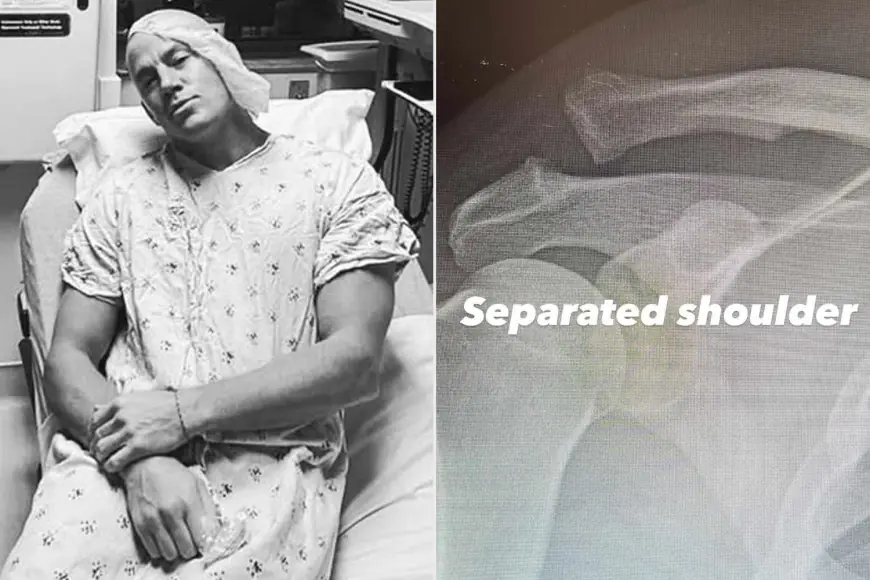
Channing Tatum has reassured fans after posting a stark hospital-bed update that initially triggered alarm online. The actor disclosed that he underwent surgery to repair a “separated shoulder,” sharing before-and-after medical imaging and recovery photos on social media. The update, posted Tuesday, February 3, 2026, quickly became one of the most-searched celebrity health stories of the week as people tried to understand why he was hospitalized and how serious the injury might be.
Tatum, 45, framed the moment as a tough but manageable hurdle, writing that the recovery would be “hard” while signaling he expects to push through rehabilitation and return to work.
What happened: why Channing Tatum was in the hospital
The core confirmed detail is straightforward: Tatum said he required surgery for a separated shoulder. The images he shared included an injury view that showed the shoulder’s disruption and a post-procedure view that appeared to show hardware used for stabilization. He did not initially provide a detailed public account of how the injury occurred, focusing instead on the fact that he listened to his body, sought medical care, and is now facing the recovery process.
Separate reports circulating in entertainment coverage have linked the injury to a fall while skiing during a recent trip tied to film-related appearances. Tatum has not publicly confirmed that cause in a direct statement, so the origin story should be treated as unverified unless he addresses it himself.
Why this went viral: the “hospital photo” trigger effect
Hospital posts move fast for a reason: they compress a lot of emotional information into a single frame. A gown, medical equipment, and gauze create instant stakes, and audiences fill in the blanks before they have facts. In Tatum’s case, the initial worry quickly shifted into a different kind of fascination once he shared the orthopedic details—people could now label it, visualize it, and place it on a familiar spectrum of sports-style injuries.
That shift matters. A “mystery hospitalization” drives fear. A “separated shoulder surgery” drives curiosity, sympathy, and a wave of recovery advice from fans.
Behind the headline: incentives, stakeholders, and the real cost of an injury like this
The story isn’t just that a movie star needed surgery. It’s what an injury does to a modern celebrity work pipeline.
A separated shoulder can be painful and limiting, and the most expensive part of recovery is often time: weeks of restricted movement, then months of strength and stability rehab depending on severity and role demands. For an actor with an action-heavy brand and a packed slate, the stakeholders pile up quickly:
-
Studios and insurers, who track risk, schedule disruptions, and reshoots
-
Directors and stunt teams, who may need to redesign choreography
-
Publicists and marketing teams, who must manage visibility without overexposure
-
Fans, whose concern can turn into scrutiny if updates feel inconsistent
There’s also a strategic incentive for transparency. By naming the injury and showing the fix, Tatum reduces rumor space. In an attention economy, clarity can be a form of control.
What we still don’t know
Even with the surgery confirmed, several practical details remain unclear:
-
The exact grade of the shoulder separation and whether additional structures were affected
-
The projected timeline for full range-of-motion and strength
-
Whether any upcoming filming schedule will be delayed or modified
-
Whether the injury occurred on set, off set, or during travel, and whether it impacts future stunt work
These gaps matter because shoulder injuries are less about a single milestone and more about a gradual, sometimes frustrating return to function.
What happens next: realistic recovery and career scenarios
-
Return on a standard rehab arc if the repair holds cleanly and pain resolves on schedule, allowing controlled training within weeks and more demanding work later in 2026.
-
Production adjustments if a near-term role requires physical intensity, shifting scenes, stunt doubles, or shooting order to protect the shoulder.
-
A quieter public phase if Tatum limits updates to avoid turning recovery into a running spectacle.
-
A longer ramp if stiffness or re-injury risk emerges, which could delay heavy action work and push him toward less physical roles in the short term.
-
A narrative pivot if he uses the moment to emphasize health maintenance, training, and injury prevention as part of his public brand.
For now, the clearest takeaway is calm: Channing Tatum’s hospital stay appears tied to a specific orthopedic surgery he openly described, not an unspecified medical emergency. The bigger story is the recovery clock—and how quickly he can rebuild strength and stability in a joint that his career, in many ways, depends on.