

























Federal Government Plans to Abandon Zero-Emissions Vehicle Mandate

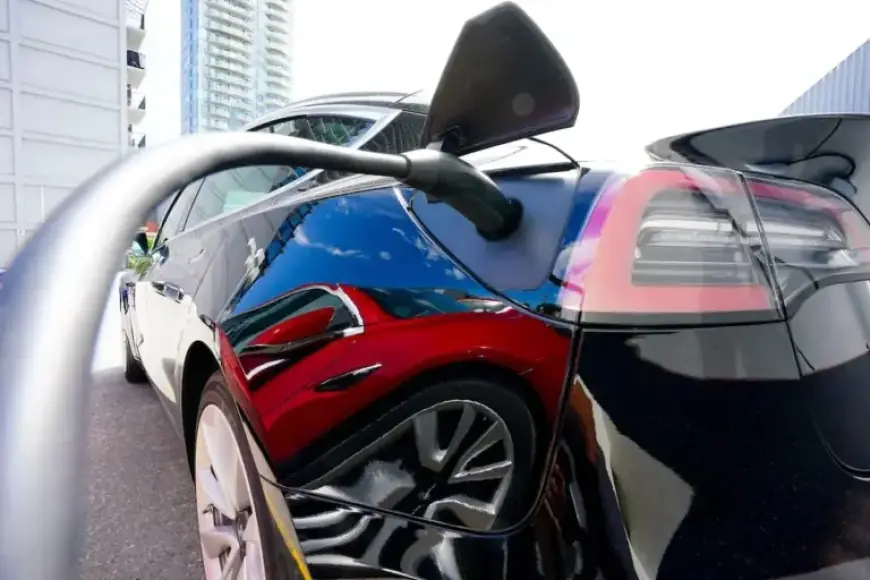
The Canadian federal government is reportedly set to abandon its zero-emissions vehicle (ZEV) mandate in a significant shift in automotive policy. This move aims to replace the controversial Electric Vehicle Availability Standard in a new national automotive strategy expected to be unveiled on Thursday.
Key Details of the Policy Shift
According to sources familiar with the discussions, the government plans to revert to traditional tailpipe emissions regulations. This alteration follows Prime Minister Mark Carney’s suspension of the ZEV mandate last September for a comprehensive review.
- Decision to scrap the ZEV mandate will likely provide relief to a pressured domestic auto industry.
- Industry representatives, including Brian Kingston of the Canadian Vehicle Manufacturers’ Association, argue that the primary issues are consumer demand and charging infrastructure.
- Ottawa will reintroduce electric vehicle purchase rebates and invest in charging infrastructure.
- The targets of the original ZEV mandate included 60% electric vehicle sales by 2030 and 100% by 2035.
Industry Response and Concerns
The move to abandon the ZEV mandate is anticipated to be welcomed by automakers who have raised concerns over its feasibility. Many assert that the market is not ready for such aggressive targets without appropriate demand and infrastructure support.
Kingston emphasized that while there are currently over 115 electric vehicle models available, the lack of consumer interest is thwarting sales. The introduction of Chinese-made EVs into the Canadian market adds further complexity to the situation.
Future Outlook
As Canada reviews its tailpipe emission standards, it may draw on U.S. policies, which have been altered under previous administrations. The autonomy to create its regulations presents challenges, particularly in establishing effective emission-reduction goals and consumer incentives.
The specifics surrounding the new purchase rebates remain uncertain. Previous rebates provided up to $5,000 for new electric vehicles, but it is unclear if future incentives will be as generous or include requirements for domestic manufacturing.
- New incentives are under consideration, focusing on boosting domestic content in EV production.
- Potential duty remissions may be part of the strategy to encourage investment in Canadian automotive manufacturing.
This strategic shift raises crucial questions about the future of electric vehicle sales in Canada and the government’s commitment to achieving its climate targets. Stakeholders will be closely monitoring the announcements and their implications for the automotive industry.