




















Clash at Bowman Gray Stadium Brings NASCAR Back With Winter-Delayed Start and a 2026 Schedule That Signals Big Change

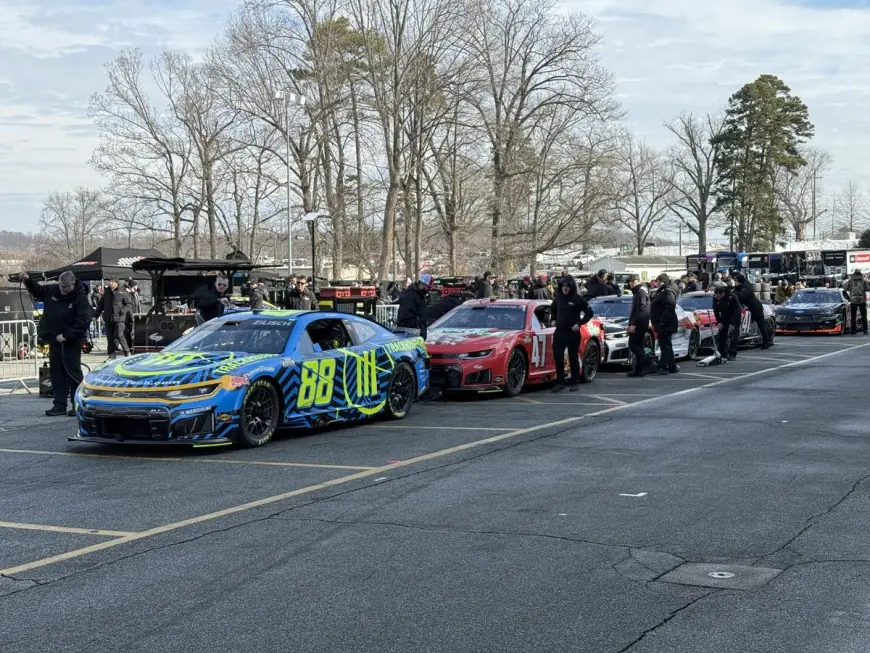
NASCAR’s season-opening exhibition has arrived with a twist: the Clash at Bowman Gray Stadium is going green on Wednesday, February 4, 2026, after winter weather forced the event off its original Sunday slot. The postponement has only amplified the spotlight on a venue that races more like a pressure cooker than a traditional speedway, and it sets the tone for a 2026 NASCAR schedule that leans into variety, new media windows, and a growing appetite for made-for-TV moments.
The Clash is scheduled for 6:00 p.m. ET on Wednesday, with a Last Chance Qualifier set for 4:30 p.m. ET. Practice and qualifying were scheduled earlier in the day at 1:30 p.m. ET.
What the Clash at Bowman Gray is, and why it feels different from “normal” NASCAR
Bowman Gray Stadium is a quarter-mile, flat oval inside a stadium setting in Winston-Salem, North Carolina. That geometry changes everything. On a track this short, speed matters less than positioning, timing, and how drivers manage contact in tight quarters. It’s why the Clash has become a stress test for aggression: there’s nowhere to hide, and there’s rarely enough room to recover from a mistake.
As an exhibition, the event is also designed to produce action. The format pushes urgency from the start, not the slow-burn strategy you see in long points races. That makes the Clash a useful bellwether for storylines, even if it doesn’t award championship points.
Why the postponement matters beyond logistics
The snow delay is not just a scheduling note. It changes competitive rhythm in a way teams quietly care about.
A delayed opener creates an unusual start-stop week: crews arrive ready to race, then have to keep cars and personnel in a holding pattern, and then flip back into race mode on short notice. That tends to reward organizations that can stay mentally sharp, protect equipment, and avoid overreacting to changing track conditions.
It also increases the event’s “spotlight intensity.” When a season opener slides midweek, it becomes the only major live racing conversation for the day, concentrating attention on the Clash and magnifying every bump, feud, and surprise performance.
The on-track stakes: a small track with big reputational risk
The Clash is where reputations can shift quickly. Win, and you enter the season with momentum. Struggle, and you leave with a week of questions about readiness. But the biggest risk is self-inflicted damage. A quarter-mile race can turn into a parts-breaking pileup faster than teams can manage it, and nothing is more deflating than starting the year with a wrecked car and a bruised relationship between drivers.
That dynamic is why the Last Chance Qualifier matters. It functions like a funnel: drivers outside the fastest group are forced to race their way in, creating a second do-or-die event before the main show even begins. For fans, it’s extra drama. For teams, it’s extra exposure to chaos.
The 2026 NASCAR schedule: what to know right after the Clash
Once the Clash ends, the calendar moves quickly into Daytona week.
Here are the next major Cup Series dates and start times on the early 2026 schedule, all in ET:
-
Thursday, February 12: Daytona Duels at 7:00 p.m. ET
-
Sunday, February 15: Daytona 500 at 2:30 p.m. ET
-
Sunday, February 22: Atlanta at 3:00 p.m. ET
-
Sunday, March 1: Circuit of the Americas in Austin at 3:30 p.m. ET
-
Sunday, March 8: Phoenix at 3:30 p.m. ET
Even in this early stretch, the scheduling tells a story: the sport is balancing its traditional anchors with a modern mix of venues and broadcast windows meant to reach different audiences.
Behind the headline: why NASCAR keeps betting on places like Bowman Gray
The core incentive is attention. A stadium short track produces clean, repeatable clips: tight racing, visible tempers, and instant consequences. That’s valuable in a media environment where the best marketing is a moment people feel compelled to share and argue about.
Stakeholders line up accordingly:
-
NASCAR wants a season-opening event that sparks conversation before points racing begins.
-
Teams want the spotlight, but fear the repair bill and the reputational mess of a televised feud.
-
Broadcasters want a high-energy opener that hooks casual viewers early.
-
Tracks and local markets want economic impact and national visibility.
The second-order effect is that exhibition racing increasingly shapes the regular season’s tone. When the opening week rewards boldness, drivers may carry that edge into Daytona and beyond, for better or worse.
What we still don’t know
Several key pieces will only become clear once engines fire:
-
How the weather and track conditions will affect tire fall-off and passing
-
Whether the Last Chance Qualifier becomes a clean race or a demolition derby
-
Which drivers treat the Clash as a statement opportunity versus a survival mission
-
Whether midweek scheduling changes viewership behavior compared with a Sunday opener
What happens next: realistic scenarios to watch after the Clash
-
A breakout performance creates a new early-season contender narrative if a mid-pack team runs up front and looks legitimately organized.
-
A rivalry ignites if repeated contact at Bowman Gray spills into Daytona media day storylines.
-
Teams shift philosophy if the opener produces heavy attrition, prompting more conservative approaches in the first points races.
-
The schedule debate intensifies if the stadium-style opener draws strong engagement, encouraging more short-track experiments.
-
Momentum swings fast if a big-name driver starts the year with a clean win, then carries confidence into Daytona qualifying and the Duels.
The Clash at Bowman Gray is the kind of event that compresses a month of drama into a few hours. With a weather-delayed spotlight and a rapid countdown to Daytona, it’s not just an exhibition anymore. It’s the first signal of what 2026 NASCAR wants to be.