






















Maxx Crosby trade rumors surge after Raiders rift over late-season shutdown

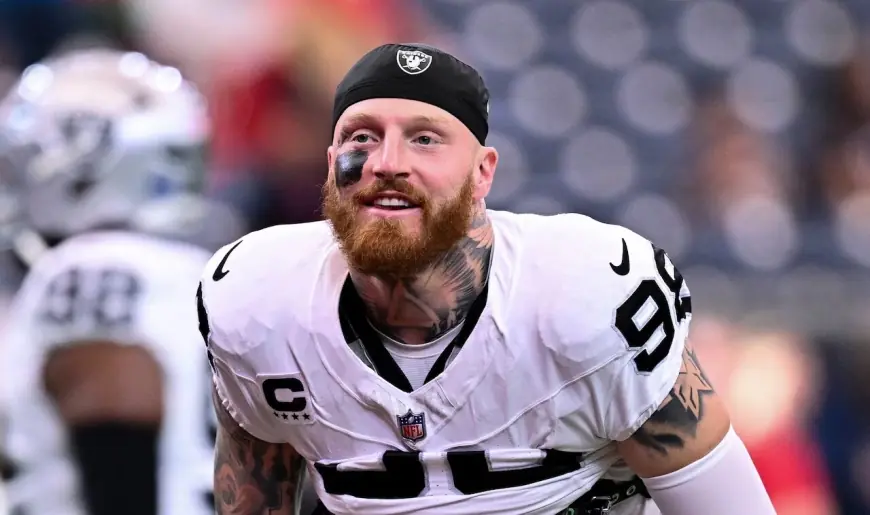
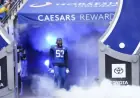
Maxx Crosby’s future with the Las Vegas Raiders has become one of the loudest offseason storylines after a late-season dispute over his injury status, followed by knee surgery and renewed talk that the star edge rusher may want out of another rebuild. With the Raiders holding the No. 1 pick in the 2026 draft and facing major roster decisions, league chatter has shifted from routine speculation to a clearer question: is Crosby still part of the plan—or the biggest trade chip in football?
What sparked the latest tension
The flashpoint came in late December, when the Raiders decided to shut Crosby down for the final two games of the 2025 season and place him on injured reserve for a knee issue. Crosby strongly disagreed with the call, and the situation escalated enough that he left the team facility after being informed he would not play.
The Raiders’ public messaging framed the move as a medical decision made after consulting multiple doctors and in the player’s best interest. Crosby’s public posture has emphasized competitiveness and frustration with losing, which has fed the sense that his patience with another reset is wearing thin.
Injury, surgery, and why timing matters
Crosby later underwent knee surgery in early January and has talked publicly about recovery goals for the start of the 2026 season. The surgery itself doesn’t automatically push a trade, but it changes the negotiation dynamics: any acquiring team will want clarity on health, while the Raiders must decide whether to build around a premium defender who may be entering a new phase of leverage.
Teams also tend to act quickly when elite pass rushers become even plausibly available. Crosby is the type of player who can instantly upgrade a defense, raise a team’s floor, and—if the rest of the roster is close—tilt playoff matchups.
Contract reality: expensive, but movable
Crosby’s contract is massive, yet it’s structured in a way that can still be traded if a team is willing to pay the price in draft capital and cap planning. His deal includes guarantees in the near term, and there’s also a trade bonus element that can affect final accounting. The Raiders can lower the barrier for suitors with salary retention or by absorbing certain cap consequences, but that would be a clear sign they’re prioritizing a longer-term rebuild.
| Item | Detail |
|---|---|
| Age | 28 |
| Recent extension | 3 years, $106.5 million |
| Guaranteed money (headline figure) | $91.5 million |
| 2026 base salary (listed) | $30 million |
| Key tension point | Late-season IR decision and shutdown dispute |
Why the Raiders could actually consider moving him
From a football standpoint, trading Crosby is hard to justify because elite edge rushers are among the rarest assets in the league. From a roster-building standpoint, it can make sense if the team believes it’s multiple years away and wants to convert one expensive star into several high-value picks plus a young starter.
The Raiders also sit at a pivot point with the No. 1 overall pick. If they draft a quarterback, the front office must decide whether the goal is to compete immediately—or to align the roster timeline around a developing passer. For a rebuilding team, the temptation is obvious: a “Parsons-like” return (multiple premium picks and/or a top young player) is the kind of package that can reshape a depth chart.
Who could pursue Crosby and what a deal might cost
The list of logical suitors is essentially “teams that believe they are one great pass rusher away.” Contenders with cap flexibility, or teams willing to restructure multiple deals, would be natural fits. So would franchises with a strong defensive foundation but lacking a true game-wrecker off the edge.
A realistic trade cost for a player of Crosby’s caliber typically starts at a first-round pick and can rise quickly depending on:
-
how many teams are bidding,
-
whether the Raiders take on money,
-
and whether Crosby’s camp signals openness to the destination.
In practice, the biggest driver may be Crosby himself. If he presses for a move and makes it clear he wants to join a contender, that can narrow the market and shape the return. If he stays publicly neutral, the Raiders can let a broader market form.
What happens next: pre-draft pressure builds
The most important dates aren’t game days—they’re calendar checkpoints. If the Raiders decide to trade Crosby, the cleanest window is before the draft, when teams are most willing to part with premium picks and can plan their offseason around a star addition.
If no trade develops, the next chapter becomes just as interesting: how the Raiders sell Crosby on the direction of the rebuild, how they address the quarterback position, and whether Crosby’s relationship with the organization can be fully repaired after the shutdown dispute.
Sources consulted: Reuters, ESPN, NFL.com, FOX Sports