Tesla Expands Model Y Lineup, Highlighting Consumer Challenges

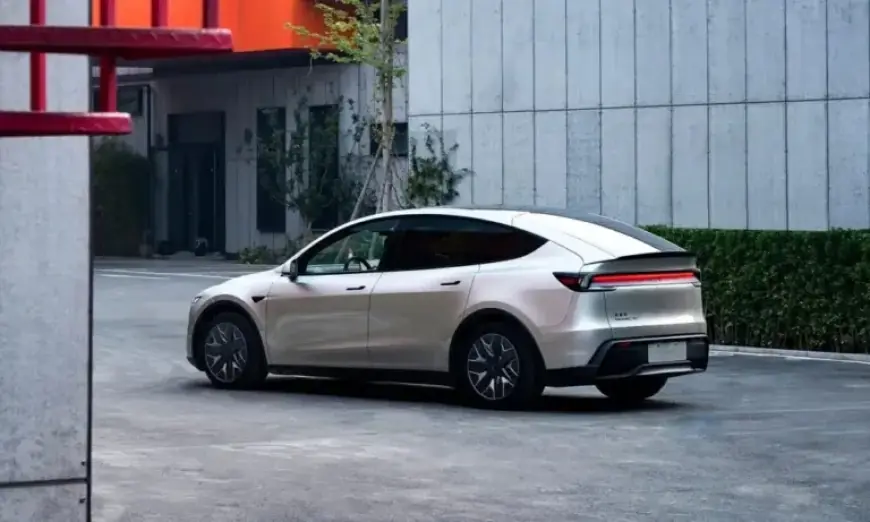
Tesla has recently expanded its Model Y lineup by introducing a new configuration. This addition provides a lower entry point for consumers seeking an All-Wheel-Drive vehicle. However, this move may highlight the challenges faced by both Tesla enthusiasts and potential buyers, particularly those preferring a larger SUV model.
Tesla’s Focus on Model Y Expansion
CEO Elon Musk has suggested the anticipated introduction of a longer wheelbase version known as the Model Y L. There is potential for this model to be launched in the U.S. by late 2023, although this is not assured. Tesla seems to be prioritizing the development of vehicles that align with its future Robotaxi ride-hailing service and plans for fully autonomous driving.
Consumer Demand for Larger SUVs
The popularity of SUVs in the U.S. is undeniable, especially for families requiring more space. Despite multiple manufacturers offering spacious SUVs, many customers prefer Tesla for its leading self-driving technology and extensive charging network. The current Model Y lineup offers only slight differences in range and performance across its configurations, leading to concerns about monotony.
- Chevrolet Tahoe
- Ford Expedition
- Cadillac Escalade
Family-oriented buyers are in need of a vehicle that competes with these full-size SUVs. With the discontinuation of the Model X, which previously served this market, Tesla faces pressure to introduce a more suitable option.
Implications of the Current Model Y Lineup
While the Model Y remains popular and has previously been recognized as one of the world’s best-selling vehicles, merely adding configurations may not effectively meet the demand for spaciousness and versatility. Consumers in the U.S. particularly seek three-row SUVs, and Tesla’s current strategy may risk alienating potential buyers.
The Risk of Ignoring Consumer Needs
The ongoing modifications of the Model Y could result in production complexities without solving the crucial need for more seating capacity. Current strategies might create the Osborne Effect, whereby existing product lines lose traction due to insufficient offerings to attract new customers. Given that the Model Y L is already in production in China, establishing a similar line in Texas could be a strategic move for Tesla.
Future Directions for Tesla
To address consumer needs effectively, Tesla should consider either introducing the Model Y L in the U.S. or developing a new, modern full-size SUV. This approach would demonstrate a commitment to listening to consumer feedback and adapting to the evolving market.