

























“’Kings and Pawns’ Unveils Robinson and Robeson’s Iconic Conflict”

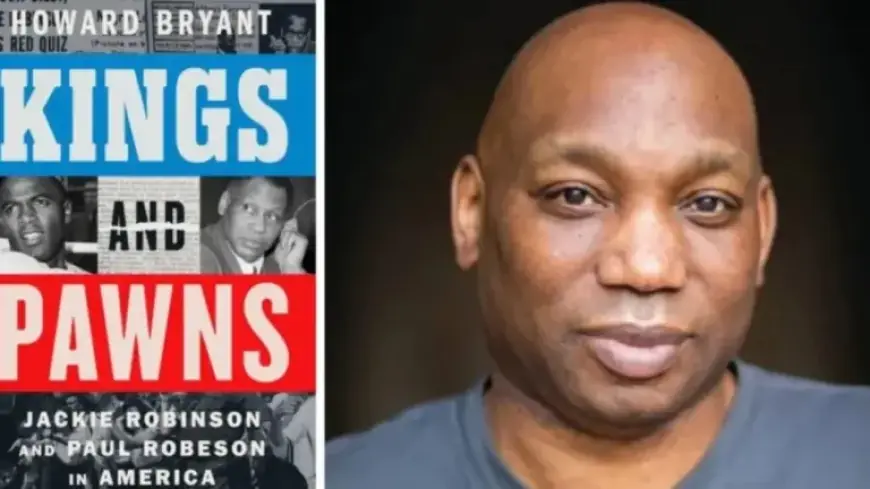
Howard Bryant’s book, “Kings and Pawns: Jackie Robinson and Paul Robeson in America,” delves into a significant historical narrative that transcends sports. It highlights the intricate conflict between two prominent African-American figures, Jackie Robinson and Paul Robeson, set against the backdrop of post-World War II America.
Context of the Conflict
This narrative unfolds during a period marked by intense anti-communism, political tension, and societal shifts. Robinson, known as the first African-American player in Major League Baseball, is depicted as struggling with his responsibilities. Meanwhile, Robeson, a celebrated cultural icon and activist, embodies a revolutionary spirit that challenges the status quo.
Contrasting Ideologies
- Jackie Robinson: Advocate for integration in sports.
- Paul Robeson: Leading voice for racial justice, targeted for his political beliefs.
Their differing approaches to societal pressures illustrate the complexities faced by African Americans in this era. Robinson’s enlistment by Branch Rickey, the Brooklyn Dodgers’ owner, aimed to mitigate Robeson’s influence, exposing rifts within the Black community.
Crucial Moments
An important event in this narrative occurred when Robinson participated in the House Un-American Activities Committee hearings. By testifying against Robeson, he believed he was safeguarding the integrity of the Black community. However, this choice inadvertently aided government efforts to undermine liberal politics.
Impact on Legacy
| Stakeholder | Before | After |
|---|---|---|
| Jackie Robinson | Hero of racial integration in sports. | Criticized for legitimizing anti-communism. |
| Paul Robeson | Leading advocate for equality. | Symbol of political persecution. |
| Black Community | Unified in civil rights struggles. | Divided amidst political paranoia. |
| U.S. Government | Criticized for racial injustice. | Used testimonies to sow distrust in Black activism. |
Contemporary Reflections
The experiences of Robinson and Robeson resonate today, as themes of loyalty and betrayal continue to surface in public discourse. Their challenges mirror current sociopolitical climates marked by intolerance and fear regarding racial politics.
Global Implications
The ideological conflict transcends borders, impacting various countries:
- Canada: Celebrates integration but confronts Indigenous issues.
- United Kingdom: Navigates identity crises post-Brexit amidst rising nationalism.
- Australia: Engages in discussions around equality and Indigenous rights.
Future Developments
As society reflects on these historical narratives, several outcomes may emerge:
- Increased dialogue on race and politics through art and media.
- Potential legislative changes promoting racial equity.
- Renewed scrutiny of governmental narratives affecting marginalized communities.
“Kings and Pawns” encourages readers to examine these historical complexities and the enduring impact of divisive politics on the struggle for equality. The book presents not only a historical account but also a call to action for a more equitable future.