

























Climate Change Risks Winter Olympics’ Future: Snowmaking’s Limits Revealed

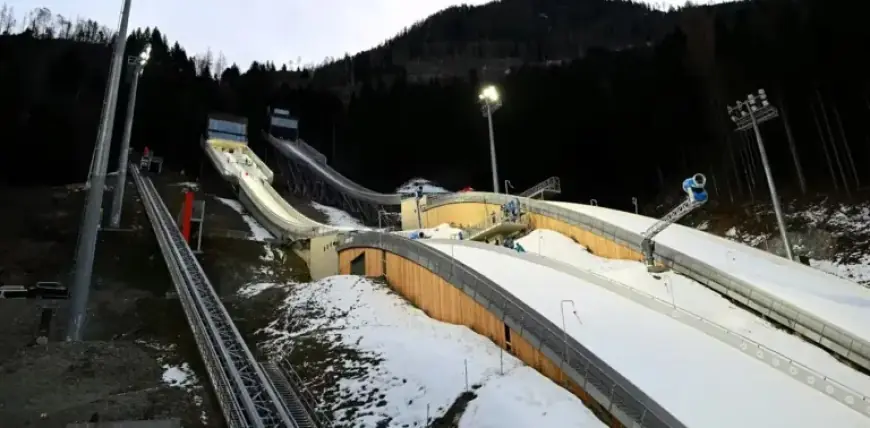
The Winter Olympics are a grand display of athletic talent, showcasing events on snow-covered slopes and icy tracks. However, the impact of climate change poses significant challenges for the future of these games. The first Winter Olympics occurred in 1924 in Chamonix, France, where all events relied on natural snow and freezing temperatures.
Climate Change Risks to the Winter Olympics
Fast forward to the 2022 Winter Olympics in Beijing, where all ski runs were covered in human-made snow. Many events, such as figure skating and hockey, now take place in climate-controlled venues. As we prepare for the 2026 Winter Olympics in northern Italy, concerns are growing regarding the reliability of natural snowfall.
Impact of Rising Temperatures
The average temperatures in February, when the Winter Games are held, have risen significantly. From around 33°F (0.4°C) during the early games to 46°F (7.8°C) currently, this increase raises concerns for future events.
A recent study evaluated 19 former Winter Olympics venues concerning their potential to host future games under varying climate scenarios. Results indicated that by midcentury, cities like Chamonix, Sochi, Grenoble, and Garmisch-Partenkirchen may not be suitable for hosting due to climate conditions, even in the best-case projections of reduced greenhouse gas emissions.
- By 2080, 12 out of 22 previous host sites, including Turin, Nagano, and Innsbruck, may also fail to provide the necessary climate for outdoor events.
- High temperatures and low snowfall are anticipated to shorten snow seasons, impacting preparations for both the Winter Olympics and Paralympics.
Challenges in Snowmaking
Snowmaking technology currently operates best at temperatures around 28°F (-2°C) or lower. Warmer, more humid conditions make effective snowmaking increasingly difficult, directly affecting events like skiing and bobsledding.
In 2026, insufficient natural snow may force organizers to rely heavily on artificial snow, which is not always a viable solution due to energy and water demands, especially as resources become more constrained.
Technological Innovations and Adaptations
To tackle these challenges, the Winter Olympic Games have adopted various technological advancements over the years. Indoor venues for hockey and skating, along with refrigerated luge and bobsled tracks, illustrate the evolution in response to warmer climates.
Some ski resorts now employ snow farming to preserve leftover snow for future use, addressing the decreased snowfall trend seen across many regions.
The Road Ahead
Looking forward, the International Olympic Committee acknowledges the pressing need for sustainable adaptations in both Winter and Summer Games. Future Winter Olympics may need to occur in colder locations or at higher altitudes to ensure adequate ice and snow.
As the world grapples with climate change, the future of the Winter Olympics balances on how effectively nations respond to these environmental challenges. The thrill of competition may evolve, but the spirit of the Olympics continues to unite through shared experiences in sports.