
























Trump Poised to Ignite New Nuclear Arms Race?

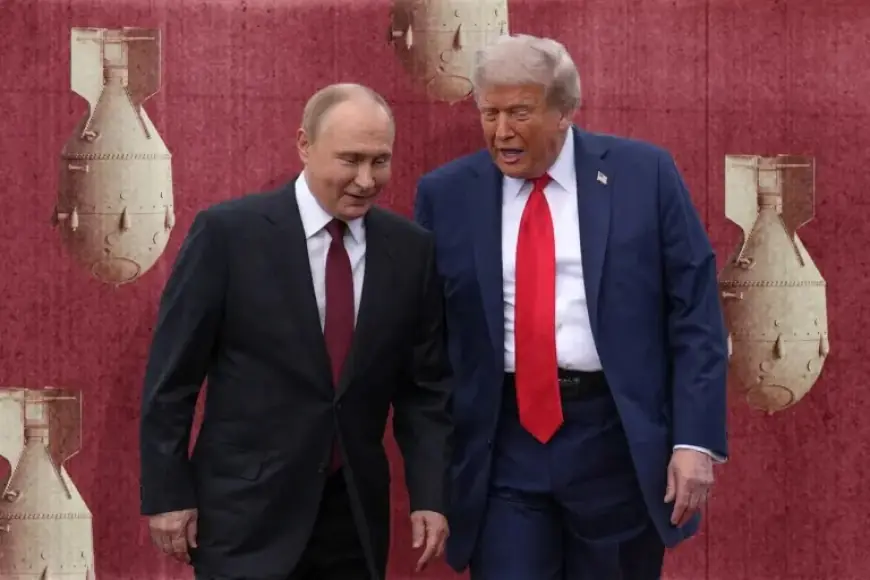
The expiration of the last U.S.–Russia nuclear arms control treaty, New START, is approaching, raising concerns about a potential nuclear arms race. The treaty, which was signed in February 2011 by President Barack Obama and President Dmitry Medvedev, will officially expire on February 5, unless a significant action is taken to extend or replace it.
Implications of Expiring New START Treaty
New START mandates reductions of each country’s long-range nuclear arsenals to 1,550 warheads, a significant decrease from prior agreements. The possibility of a new agreement that could also include China—a country with a rapidly growing nuclear stockpile—has been mentioned by various analysts.
Despite the urgency, President Donald Trump has been notably silent on the matter. In a recent interview, Trump suggested that if New START expires, a better agreement could be pursued later. However, the feasibility of negotiating a new treaty that includes China is questionable, given the complexities of international diplomacy and the decade-long negotiation history often required for such accords.
Historical Context of Nuclear Arms Control
The history of arms reduction indicates that past agreements have aimed not only at reducing warhead counts but also at increasing verification and compliance measures. New START allowed for intense on-site inspections, fostering trust between the two nuclear superpowers. As tensions rise in international relations, particularly regarding Russia’s activities in Eastern Europe and China’s growing military might, the political climate for arms control has become more complicated.
- Key Dates: New START signed in February 2011, set to expire on February 5, 2026.
- Warhead Reductions: Each side must reduce nuclear arsenals to 1,550 warheads.
- Inspection Protocols: The treaty included on-site inspections to verify compliance.
Potential for Nuclear Arms Race
The lack of a new agreement could lead to an escalation of arms competition. Analysts fear that without the parameters established by New START, both the U.S. and Russia could increase their nuclear arsenals in a bid to outpace each other. This action-reaction cycle raises alarms as it may lead to miscalculations and a renewed arms race akin to that of the Cold War. The discourse surrounding nuclear deterrence strategies remains crucial.
Challenges of Modern Warfare
The current global political landscape introduces new variables that further complicate arms control dynamics. As countries modernize their nuclear capabilities, the U.S. and its adversaries must confront the implications of a more complex threat environment. The notion of a potential “nuclear winter” resulting from large-scale nuclear conflict persists as a dire concern for global survival.
While the discussions regarding nuclear strategy are vital, a significant challenge remains in how these conversations are conducted and whether they will be prioritized in the current administration. Without consistent dialogue on nuclear deterrence, the path toward arms escalation remains an unresolved issue.
Conclusion
As the New START treaty nears its expiration, immediate action is required to prevent a return to an unchecked nuclear arms race. A simple extension of the treaty could reinforce existing ceilings on warhead numbers, providing a temporary mitigation of escalation. It is imperative for leaders like Trump and Putin to recognize the consequences of neglecting these discussions, as the stakes could affect global security for generations to come.