






















Lara Trump Criticizes Bruce Springsteen’s Public Comments

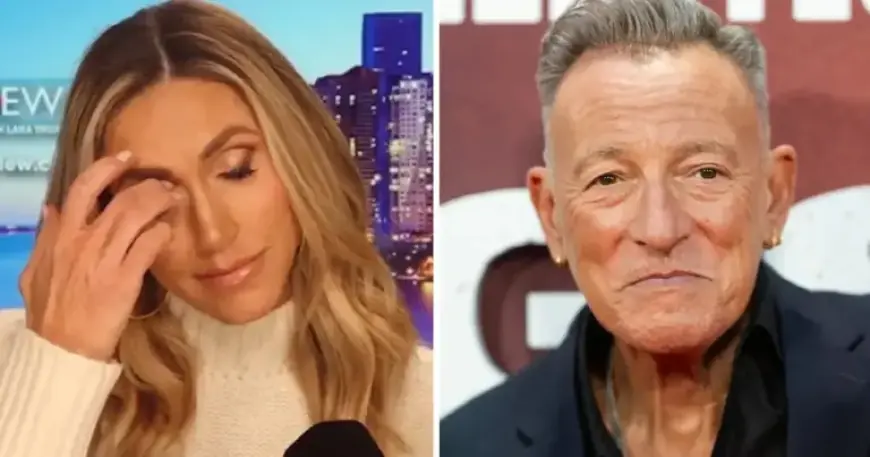
Lara Trump, the daughter-in-law of former President Donald Trump, has sharply criticized music legend Bruce Springsteen for his recent song, “Streets of Minneapolis.” In a podcast episode of The Right View, she labeled Springsteen an “idiot” for his lyrics, which critique the Trump administration and highlight tragic incidents involving federal agents.
Lara Trump’s Critique of Springsteen
Springsteen’s song addresses the shootings of Alex Pretti and Renee Good, calling out the perceived injustices surrounding their deaths. In her commentary, Lara Trump expressed her disbelief over Springsteen’s approach, questioning his focus on protest rather than addressing other issues.
Key Remarks from the Podcast
- Lara Trump mentioned, “What are you talking about?” while reacting to Springsteen’s lyrics.
- She noted that Springsteen hasn’t written about those affected by illegal immigration or drug issues.
- Trump emphasized the importance of law enforcement and criticized protesters impeding federal operations.
Lara Trump suggested that Springsteen should direct his grievances towards Congress rather than using his platform to stir division. She stated, “If you have a problem, go talk to the people who actually put the laws in place.”
Public Reaction and Context
After airing Springsteen’s song, Lara Trump apologized to her audience for making them “endure” it. The White House responded to the song, claiming to be unfazed by what they termed “random songs with irrelevant opinions.”
Interestingly, this isn’t the first instance of tension between the Trumps and Springsteen. In 2020, Donald Trump was criticized for using Tom Petty’s song “I Won’t Back Down” during a campaign rally, leading to a public rebuke from Petty’s family.
Conclusion
As both a media personality and a member of the Trump family, Lara Trump’s comments reflect ongoing cultural and political divisions in the United States, particularly regarding law enforcement and immigration policies. The discussion around Springsteen’s song underscores differing perspectives on accountability and the responsibilities of public figures.