























Review: ‘On the Future of Species’ Explores Creation of Synthetic Life

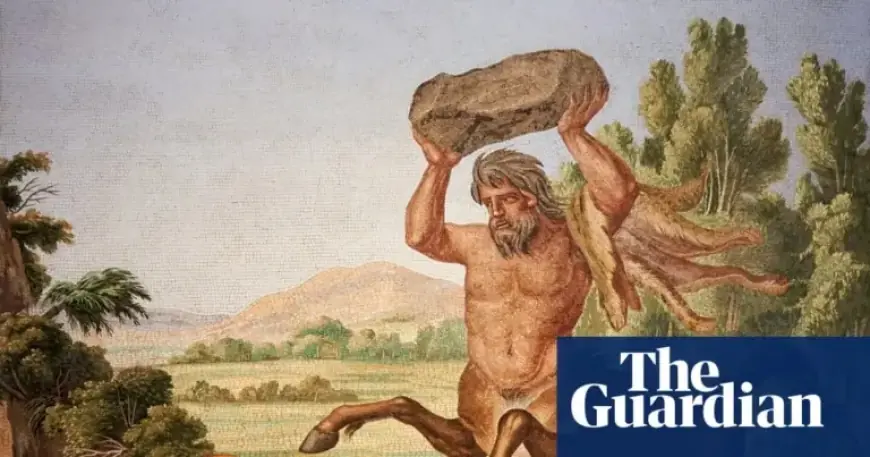
Adrian Woolfson, a prominent geneticist and author, explores the concept of synthetic life in his book, “On the Future of Species: Authoring Life by Means of Artificial Biological Intelligence.” He warns that we are on the brink of a significant biological revolution that could drastically alter the composition of life on Earth.
The Dawn of Synthetic Life
Woolfson contends that advancements in genetic engineering and artificial intelligence will soon allow us to create synthetic species. These innovations could lead to breakthroughs in biofuels, medicines, and even sustainable construction, as he suggests we may grow houses instead of building them.
Key Technological Advancements
- The Sidewinder method at Caltech enables rapid synthesis of large DNA fragments.
- Artificial Intelligence, especially AlphaFold2, has solved protein folding problems, allowing scientists to create new proteins efficiently.
These technologies represent a shift from descriptive biological science to a generative one, where the creation of new life forms becomes a reality. Woolfson notes the implications of this transition, particularly the coexistence of natural and synthetic species.
The Ethical Dilemmas
Woolfson outlines potential ethical concerns arising from synthetic biology. He warns that advancements in genomics could lead to bioterrorism or unintended consequences that destabilize ecosystems.
Consequences of Synthetic Biological Intelligence
- Human-made pathogens could be misused by malicious actors.
- Manipulating genetic material raises questions about the legitimacy of new life forms.
- Interventions in existing species could lead to unforeseen complications.
Despite these challenges, Woolfson argues against halting progress in synthetic biology. He believes the potential benefits far outweigh the risks. While he advocates for restrictions on specific applications, like designer babies, he emphasizes the need for continued exploration in synthetic life.
Concluding Thoughts
“On the Future of Species” serves as a wake-up call, urging society to navigate the complexities of creating artificial life responsibly. Woolfson’s analysis combines optimism with caution, as he grapples with the implications of a future where humans and synthetic beings coexist.
Published by Bloomsbury, this book comes at a crucial time when our understanding of life and technology is rapidly evolving. It invites readers to ponder not only what it means to be alive but also how we will define life in the age of innovation.