

























Clawdbot Creator Halts Vibe Coding for Mental Health Reasons

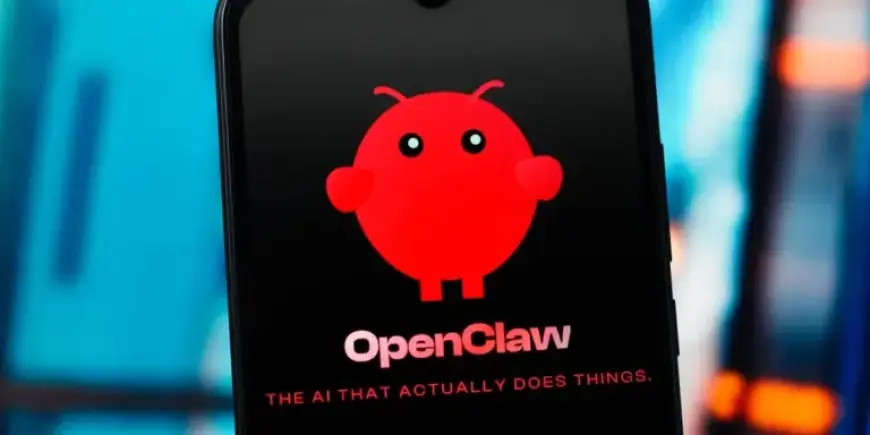
The developer behind the popular AI agent Clawdbot recently announced a pause in his work on vibe coding due to mental health concerns. Peter Steinberger, the creator of Clawdbot—now known as OpenClaw—discussed his decision in a recent episode of the “Behind the Craft” podcast. He revealed that he had become excessively engrossed in vibe coding, which detracted from his social interactions.
Understanding Vibe Coding
Vibe coding is an emerging trend where developers use AI tools to enhance productivity in software development. However, Steinberger expressed that this trend can lead to compulsion rather than genuine progress. He stated, “If you don’t have a vision of what you’re going to build, it’s still going to be slop.”
Impact on Mental Health
Steinberger shared that during social outings, he often found himself distracted by coding on his phone. He ultimately recognized that stepping back was necessary for his mental health. This realization comes as vibe coding continues to gain traction in tech circles.
The Rise of Clawdbot
Clawdbot gained significant attention in the tech community last month, attracting notable supporters such as Y Combinator’s Garry Tan and several partners from Andreessen Horowitz. This personal AI agent is designed to operate continuously, integrating with popular consumer applications like WhatsApp and Telegram.
Functionality and Praise
- Manages users’ schedules.
- Oversees vibe-coding sessions.
- Facilitates the creation of AI employees.
The AI agent has received extensive acclaim, with reports highlighting enthusiasts purchasing Mac Minis specifically to run Clawdbot, as noted by Business Insider.
Cautions from the Tech Community
While vibe coding shows potential in speeding up development, industry leaders are cautious about its limitations. For instance, Google CEO Sundar Pichai expressed concerns about employing vibe coding for large codebases, emphasizing the importance of security and quality. Boris Cherny from Anthropic also warned that vibe coding is more suited for prototypes than core business software.
Conclusion
Peter Steinberger’s decision to halt his work on vibe coding spotlights the balance between innovation and mental health. As the trend continues to evolve, it prompts an important conversation about the sustainability of fast-paced development practices in the tech industry.