

























Maryland Legislature Votes to Ban 287(g) Agreements

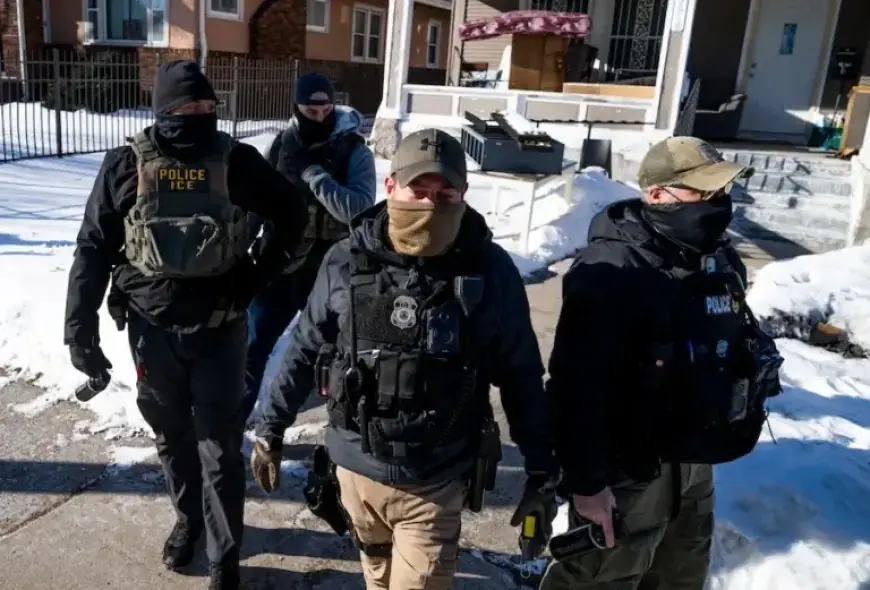
The Maryland General Assembly has voted to prohibit local governments from entering into cooperation agreements with Immigration and Customs Enforcement (ICE) under the 287(g) program. This decision reflects growing concerns over ICE’s controversial deportation practices.
Overview of the 287(g) Program Ban
The legislation passed both the Maryland Senate and House of Delegates on a Tuesday, with strong support from Senate Democrats. The final vote in the Senate was 32-12, while in the House, the bill passed 99-40.
Details of the 287(g) Agreements
- The 287(g) program allows local law enforcement to inquire about the immigration status of detained individuals.
- It enables the detention of noncitizens for up to 48 hours to facilitate ICE transfer.
- Eight counties in Maryland currently participate in this program.
In a recent announcement, Wicomico County also decided to partner with ICE. Senate Judicial Proceedings Committee Chair Will Smith criticized the program, stating, “We are no longer going to formally cooperate with an agency that has engaged in civil rights violations.”
Responses to the Legislation
Republicans opposed the bill, arguing that it could lead to more visible ICE operations in communities. Senate Minority Whip Justin Ready stated, “If you don’t want more active ICE operations, you should vote against this bill.”
On the other hand, Delegate David Moon highlighted the potential risks of the program, noting that local officials have no control over the treatment of detainees after ICE takes them into custody. He remarked, “I don’t know how in good conscience we could allow a program like that to operate.”
Impact on Communities
Advocacy groups for immigrants argue that the 287(g) program damages relations between the police and the community. Many undocumented individuals are hesitant to contact law enforcement for assistance in emergencies due to fear of deportation.
Related Legislative Actions
In addition to the 287(g) ban, lawmakers also approved a bill to prohibit law enforcement from wearing face coverings while on duty. This aspect particularly targets ICE agents but is applicable to all state law enforcement. Violations could result in civil fines up to $1,500.
This legislation may face legal challenges, as experts suggest that states have limited authority to regulate federal officers. A similar mask ban in California was met with a lawsuit from the Trump administration.
Next Steps for the Legislation
The 287(g) bill is labeled as emergency legislation. If signed by Governor Wes Moore, it could be enacted immediately. Although Governor Moore has criticized ICE, he has not publicly committed to signing the bill yet.