

























Trump Urges Election ‘Nationalization’ Amid White House Retraction

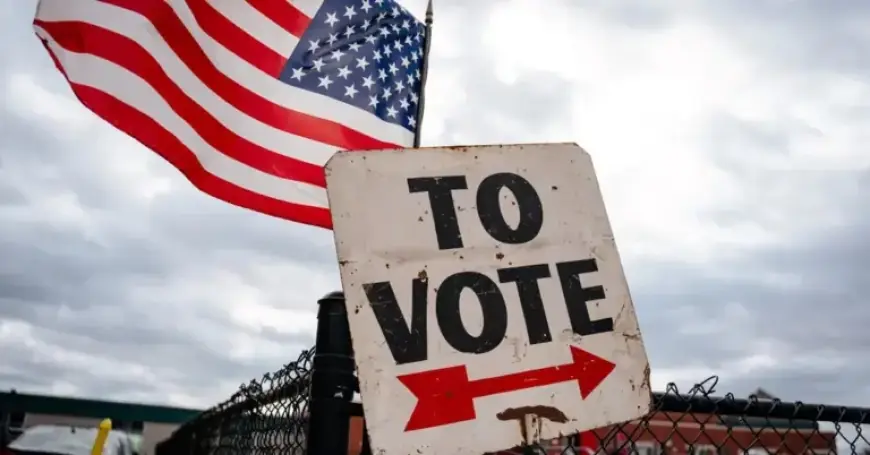
In a bold move, former President Donald Trump has called for the Republican Party to “nationalize” voting in the U.S. This statement comes amidst a backdrop of dissent from the White House and criticism from within his party.
Trump’s Call for Federal Involvement in Elections
During an Oval Office appearance on Tuesday, Trump emphasized the need for federal oversight in elections, citing “corruption” in various local voting systems. He argued, “If states can’t count the votes legally and honestly, then somebody else should take over.”
His assertion marks a significant push to centralize election control, contradicting the current decentralized electoral framework established by state laws. Trump pointed to certain Democratic-led cities as examples of electoral fraud, insisting that the federal government must intervene.
Responses from Officials and Party Members
Following Trump’s comments, White House Press Secretary Karoline Leavitt attempted to clarify that he was actually referring to the SAVE Act, which aims to require proof of citizenship for voter registration. However, she did not mention the act during the podcast where Trump discussed taking over voting procedures.
Separately, Trump reiterated his stance later in the Oval Office, stating he desires honest elections. His comments align with a larger GOP agenda aimed at tightening voting laws through various legislative efforts.
Debate on the SAVE Act
The SAVE Act, which seeks to enforce stricter voter registration processes, has faced significant hurdles. Although it passed in the House last year, it stalled in the Senate, requiring bipartisan support to advance.
- The bill mandates proof of citizenship for voter registration.
- It penalizes officials who fail to enforce these requirements.
- The legislation seeks to maintain the integrity of voter rolls.
Current Political Climate
Trump’s push for nationalizing elections comes at a time when Republicans are bracing for potential losses in the upcoming midterm elections. The former president has been vocal in his predictions of unfavorable outcomes for his party, especially after recent local election losses.
Despite mounting pressure, key Republican leaders, including Senate Majority Leader John Thune, have resisted Trump’s calls. Thune emphasized the importance of state control over elections, labeling any federal intervention as a constitutional concern.
Concerns Over Voter Fraud Claims
While Trump and his allies have repeatedly highlighted fears of noncitizen voting, the occurrence of such instances is negligible and already illegal in federal elections. The Justice Department has also taken steps to compile a national voter file, reigniting debates about election integrity.
The discourse surrounding voting laws is increasingly contentious, with partisan lines drawn over the necessity and potential impact of proposed legislation. As the midterm elections approach, the Republican Party remains divided over the best strategies to ensure electoral security while navigating widespread skepticism about voting integrity.