“Pub Closures Persist Despite Efforts—Many Already Lost”

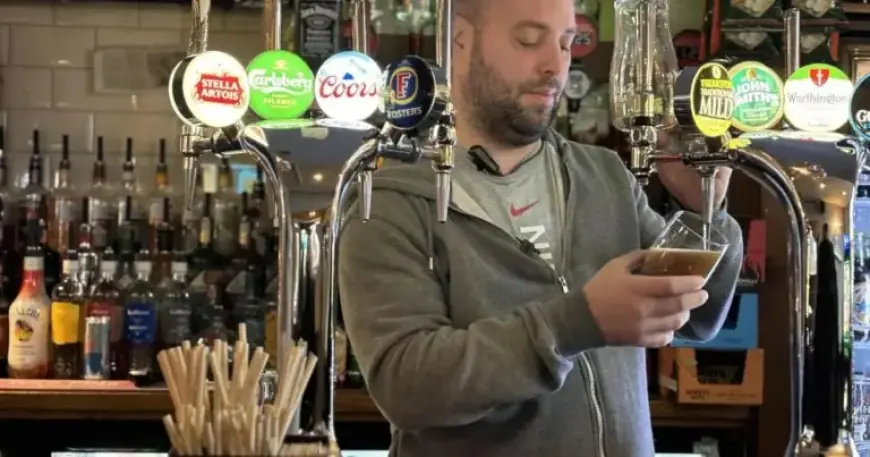
The recent decision by the Treasury to lower business rates for pubs has sparked debate across England. From April 1, every pub will receive a 15% reduction in their rates. This announcement marks a significant reversal from the previous direction signaled in November’s Budget, which proposed eliminating pandemic-related financial relief.
Concerns Over Insufficient Support
Despite this adjustment, many in the industry are skeptical about its effectiveness. Pubs have faced severe financial challenges, with some owners reporting staggering increases in their rates. For instance, Bolton Council opposed the cancellation of rate relief on January 20, highlighting an individual pub’s monthly bills soaring by over 70%.
Realities on the Ground
Pub owners express frustration with the government’s minimal support. Nick Howcroft, owner of Henighans Bar and Grill, voiced his concerns, stating, “A lot of them are gone already.” He emphasized that the 15% reduction would not provide meaningful assistance to struggling establishments. Howcroft currently owns just one pub after selling Henighan’s Eat and Drink, citing a drop in patronage over the years.
He believes the government’s measures lack clarity and urgency, noting that many publicans feel abandoned. “It’s hard to comment, they don’t have a clue,” Howcroft added.
Voices from the Industry
- Danny Loynd, manager of The Balmoral, expressed concern over the sustainability of pubs, stating, “We’re going to see a lot more closures this year and also next year.”
- Chris Howgate, landlord of Elephant and Castle and The Jolly Carter, referred to current business rates as “out of control,” warning that such high costs contribute to the decline of local pubs.
The brewing discontent among pub owners suggests that even with the new relief measures, many establishments may not survive. As the industry cries out for more substantial aid, the grim reality of pub closures persists despite these efforts.