

























Unraveling Why ‘Wuthering Heights’ Is a Misunderstood Masterpiece

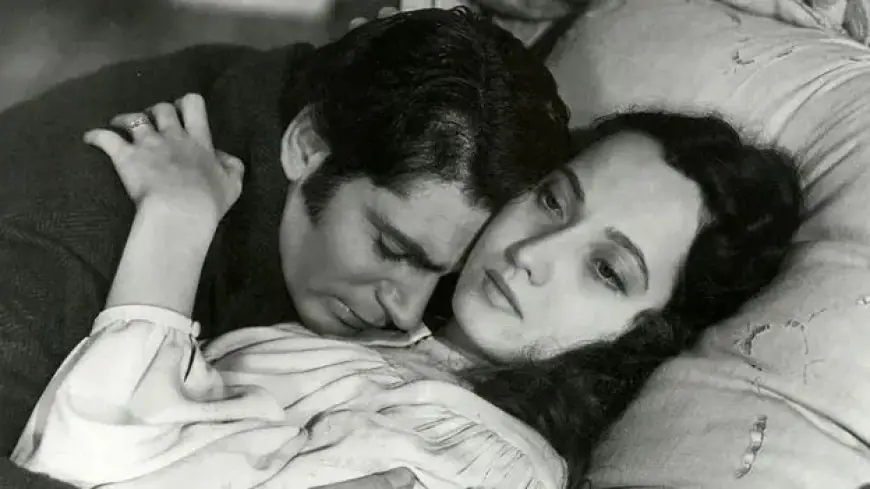
Many readers perceive “Wuthering Heights” as solely a dark romance. However, this interpretation overlooks the complex themes and intricate character dynamics presented by Emily Brontë. Through her portrayal of Heathcliff, Brontë delves into deep emotional turmoil, love, and the ramifications of unchecked grief.
Understanding Heathcliff’s Torment
Heathcliff, a central character in the novel, embodies torment and grief. His actions often inflict suffering on those around him without exhibiting any remorse. This raises profound questions about love, societal norms regarding marriage, and the consequences of violence.
Complex Themes Explored
- Nature of Love: What does true love entail?
- Marriage System: Does it provide true fulfillment?
- Violence and its Limits: Where do we draw the line?
Emily Brontë does not provide straightforward answers. Instead, she encourages readers to contemplate these significant issues, enhancing the novel’s complex legacy.
Misconceptions Surrounding the Novel
Many perceive “Wuthering Heights” as bleak and devoid of humor. In reality, the novel contains moments of levity, primarily through its vivid character portrayals. Nelly and Zillah, the two servants, are known for their gossip and witty exchanges.
Humorous Elements in the Narrative
- Linton Heathcliff: Often portrayed as a moody and bratty child.
- Joseph: His thick Yorkshire dialect hides humorous cynicism.
For example, when Catherine falls ill, Joseph remarks sarcastically, “Running after t’lads, as usual?” Such moments showcase Brontë’s skill in blending humor with serious themes.
Gothic Satire within “Wuthering Heights”
Literary scholar O’Callaghan highlights the potential of viewing the novel as a gothic satire. Characters display exaggerated traits, enhancing the narrative’s darkly comedic aspects. Lockwood, with his Austen-like demeanor, illustrates this juxtaposition, creating comedic tension in Brontë’s world.
O’Callaghan emphasizes that readers often take the narrative too seriously. Recognizing its gothic exaggeration offers a new perspective and enjoyment of the text.
In conclusion, “Wuthering Heights” is frequently misunderstood, reduced to a mere tale of romantic despair. By revisiting the novel’s complexities, readers can appreciate its multifaceted exploration of love, grief, and the human condition, enhancing their overall understanding.