























Hollywood Guilds Challenge WB Sale During Congressional Hearings

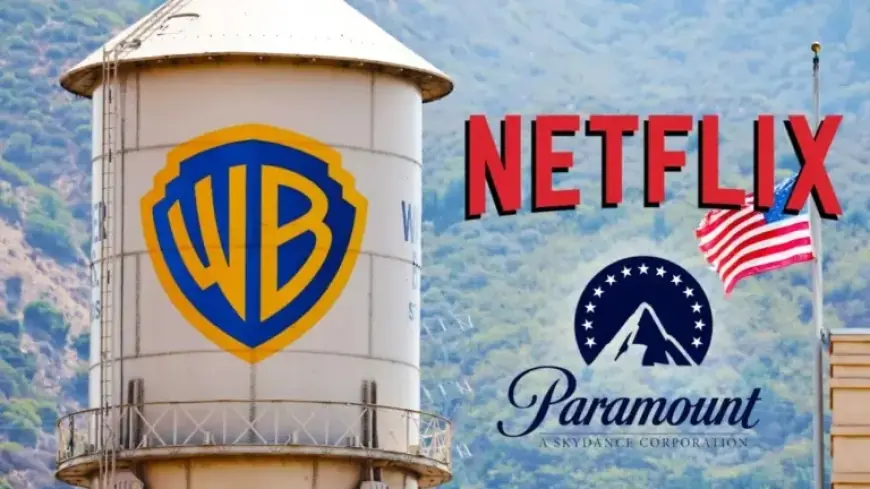
The Senate Judiciary antitrust subcommittee recently held a hearing on Netflix’s potential acquisition of Warner Bros. During this session, prominent Hollywood guilds voiced their concerns about the sale. Among these guilds were the Directors Guild of America (DGA), Producers Guild of America (PGA), and the Writers Guild of America (WGA). They submitted prepared statements highlighting the implications of such a significant media transaction.
Hollywood Guilds Raise Alarm Over WB Sale
As Netflix’s co-CEO Ted Sarandos faced extensive questioning, the guilds reiterated their earlier apprehensions expressed in December. None of their statements supported the sale outright. DGA President Christopher Nolan confirmed their ongoing discussions with both Netflix and Paramount, which is interested in acquiring Warner Bros. Discovery. Although the DGA hasn’t taken a formal stance on the merger, they emphasized the issues at stake.
Concerns About Job Loss and Reduced Competition
The guilds’ concerns predominantly revolve around job losses and diminished competition in the media landscape. The PGA specifically warned that reduced competition would lead to lower compensation and fewer opportunities for industry professionals. With fewer companies in control, the diversity of ideas making it to the public could suffer.
- The DGA, PGA, and WGA unanimously pointed to significant issues regarding potential job losses.
- Lower competition could restrict opportunities for producers and creators.
Proposals from the Producers Guild
The PGA made several recommendations to the antitrust subcommittee. They called for:
- Increased domestic production guarantees.
- A minimum theatrical window of 45-60 days.
- A meaningful percentage of projects from independent producers and third parties.
- Conditions that promote competitive practices and protect free speech.
Writers Guild Concerned About Consolidation
The WGA presented a detailed critique of the proposed acquisitions. They argued that any takeover by a rival could have detrimental effects on workers, consumers, and competition. Their statement stressed that the current level of consolidation in the media industry requires detailed scrutiny.
The WGA urged lawmakers to seek solutions to existing industry problems, suggesting limits on streaming services’ ownership of the content they distribute. They contended that failing to act might empower media conglomerates to use their economic dominance as a form of political influence.
Essential Questions for Lawmakers
To further illustrate their concerns, the DGA proposed nine crucial questions for lawmakers and antitrust regulators to consider regarding the Warner Bros. sale:
- How will the sale affect what stories consumers see and their availability?
- What conditions can protect American workers and communities dependent on film and television?
- How will merger conditions ensure fair licensing from third-party producers?
- What plans are in place for the communal moviegoing experience?
- How can the marketplace benefit from fair market negotiations for internal licenses?
- How will collective bargaining rights be maintained in the new entity?
- What measures will prevent offshoring production to cut costs?
- How will the sale influence workforce training programs?
The upcoming decisions regarding the acquisition of Warner Bros. by Netflix or any other party will profoundly impact the media industry. The DGA, PGA, and WGA are advocating for thorough examination of these impacts to safeguard workers and consumers alike.