Interest Hike and Poor Data Hit Labor Party Hard

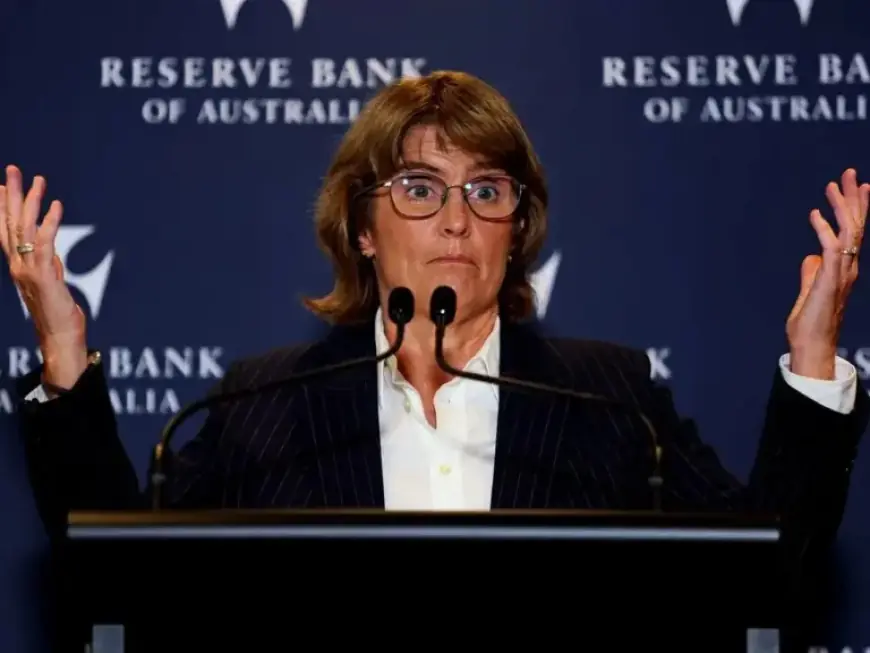
Recent economic developments in Australia have led to significant challenges for the Labor Party. A combination of interest rate hikes and unfavorable economic data have put the party in a difficult position.
Interest Hikes Impacting Political Landscape
The Reserve Bank of Australia has been increasing interest rates in response to inflation concerns. This trend has resulted in higher borrowing costs for consumers and businesses alike. These financial pressures have started to shape public opinion and could have political ramifications.
Economic Data Revealing Weaknesses
Recent economic indicators suggest that the Australian economy is showing signs of weakness. Key statistics indicate slowing growth and a potential rise in unemployment rates. These factors are creating a challenging environment for policymakers.
- Interest rates have increased significantly over the past year.
- Consumer confidence is declining, as evidenced by recent surveys.
- Job creation has slowed, impacting the Labor Party’s approval ratings.
Labor Party’s Response
In light of these challenges, the Labor Party is reevaluating its strategies. The leadership is focusing on economic recovery measures. Key policies may include targeted job creation programs and initiatives aimed at stabilizing the housing market.
Future Implications
As interest rates rise and economic performance falters, the Labor Party’s future remains uncertain. Proactive measures will be critical in navigating these turbulent times.
Ultimately, how effectively the party addresses these challenges will likely influence their chances in upcoming elections. The intersection of economic policy and voter sentiment will play a decisive role in shaping Australia’s political future.