
























Toronto Battles Record Snowfall Cleanup Efforts

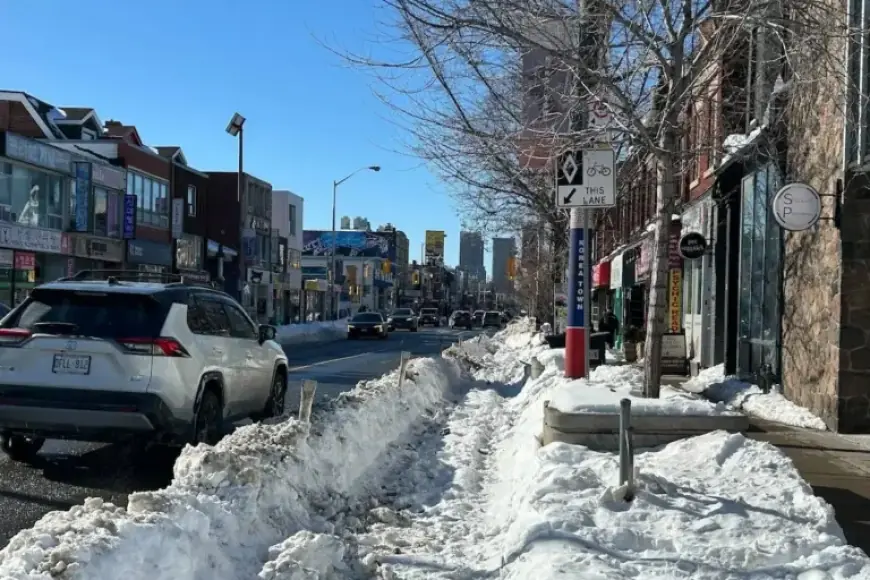
Toronto has recently faced a historic challenge, grappling with a record snowfall that has overwhelmed the city. Cleanup efforts are ongoing, with 1,500 city staff and private contractors engaged in the massive snow removal operation.
Record Snowfall and Cleanup Operations
After enduring a significant winter storm, Toronto’s streets remain heavily impacted. The city has initiated extensive work to clear approximately 14,700 lane-kilometres of roads, 7,900 kilometres of sidewalks, and 486 lane-kilometres of cycling lanes and trails.
Snow Storage Sites and Operations
- Toronto has five designated snow storage locations to manage the snow removal process.
- The Downsview yard operates around the clock, utilizing snow-melting machinery.
- Excavators are working tirelessly, transforming the heavy snow into manageable steam.
The clean-up strategy aims to ensure streets and sidewalks are passable. Areas like Cloverlawn Avenue showcase the challenges, where narrow trenches have allowed pedestrian access but hindered mobility for those using wheels.
Environmental Concerns
The disposition of melted snow poses ecological challenges. Urban snowbanks contain significant quantities of salt, contaminating the environment and impacting local waterways. Toronto typically uses 130,000 tonnes of salt each winter, which can harm aquatic ecosystems.
- Lyndsay Cartwright, a research scientist from the Toronto and Region Conservation Authority, emphasizes the potential dangers of chloride, a salt component.
- Chloride levels have increased in local groundwater and streams, raising concerns about water quality.
Historically, Toronto disposed of snow in the Don Valley, but those sites have been closed since the mid-2000s. Current snow sites are strategically placed on high ground to prevent contamination of major watercourses.
Community Response and Criticism
The snow-clearing efforts have not been without controversy. Local residents and politicians have expressed frustration over the perceived inadequacy of the response. Mayoral candidate Brad Bradford criticized the city for its preparedness, highlighting overcrowded parking lots filled with snow.
Despite these criticisms, experts point out that Toronto’s approach reflects a cost-effective strategy. Shoshanna Saxe, an associate professor at the University of Toronto, advocates for the city’s measured response, noting that scaling up for every possible winter scenario is not financially sustainable.
Conclusion
Toronto continues to battle the aftermath of an unprecedented snowfall. As the city works diligently to mitigate the effects, the balance between efficient snow removal and environmental stewardship remains a crucial focal point.