

























Federal Judge Decides on Haiti Temporary Protected Status

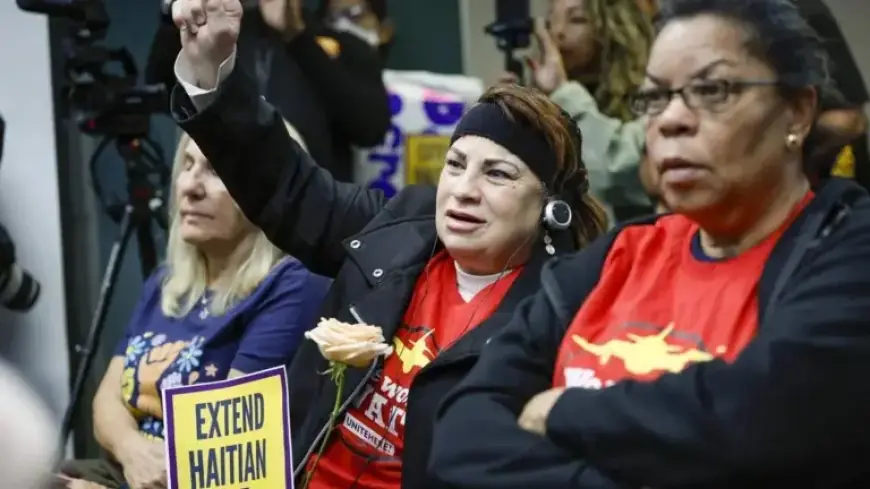
A recent federal ruling has provided a temporary reprieve to many Haitians living in the United States under Temporary Protected Status (TPS). The case, ruled by U.S. District Judge Ana C. Reyes, challenges the Trump administration’s attempt to terminate this status, which has been crucial for over 300,000 Haitians since its inception.
Federal Judge Blocks Termination of Haiti’s TPS
On January 27, 2026, Judge Reyes sided with the plaintiffs, allowing TPS to remain in effect for Haitians. This ruling comes just hours before the Trump administration planned to end the designation at 11:59 p.m. the same day.
Background on TPS for Haitians
The TPS for Haiti was established following the catastrophic earthquake in 2010, which resulted in extensive loss of life and displacement. With the ongoing political instability and violence in Haiti, the stakes remain high for those facing potential deportation.
Key Facts About the Ruling
- The ruling prevents the deportation of over 300,000 Haitians who currently hold TPS.
- Arguments presented claimed that the decision to end TPS was racially motivated, rather than based on nationality.
- The administration previously terminated TPS for several other nations, including Venezuela and Nicaragua.
Legal Arguments and Future Implications
The Department of Homeland Security (DHS) contended that Secretary Kristi Noem’s action to end TPS was not subject to court review. However, advocates highlighted a broader issue of racial discrimination impacting the Haitian community.
The appeal against this ruling is expected, as the Trump administration has sought to lift various lower court injunctions to expedite deportations. If the decision is upheld, Haitians under TPS will maintain their work authorizations and protections from deportation.
Current Conditions in Haiti
Haiti’s situation remains dire. Following the assassination of President Jovenel Moïse, the country has witnessed a surge in gang violence and instability. Armed groups have contributed to widespread humanitarian crises, with millions needing assistance.
- More than 6 million Haitians are in need of humanitarian aid.
- Over 1.4 million have been internally displaced due to violence.
Community Impact in South Florida
In South Florida, where approximately 150,000 individuals hold TPS, businesses are concerned about the potential economic fallout from loss of labor. Community leaders and advocacy groups continue to highlight the severe risks associated with ending TPS for Haitians.
This case reflects the broader implications of immigration policy and its intersections with issues of race, safety, and economic stability in the U.S.