
























Peter Attia Epstein Questions Explode After New “Epstein Files” Release, Prompting Apology and Fast-Moving Fallout

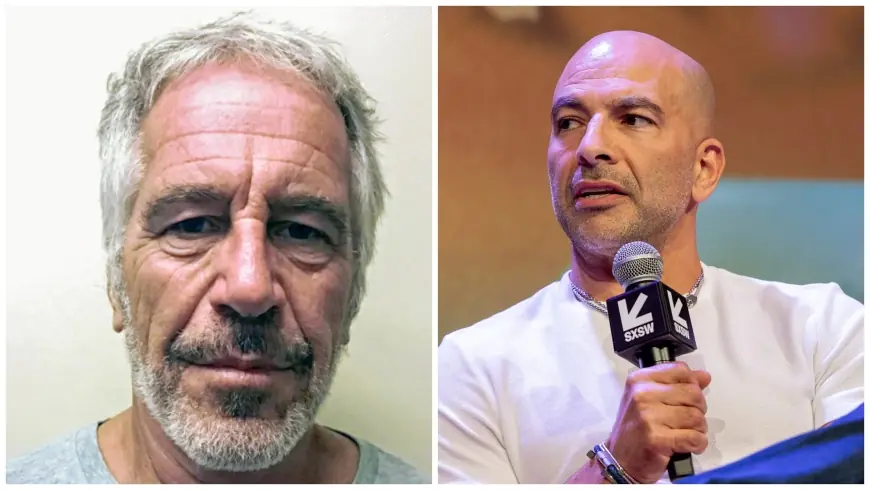
Dr. Peter Attia, a prominent physician and longevity influencer, is facing intense scrutiny after a newly released batch of federal records tied to Jeffrey Epstein surfaced extensive email correspondence and meeting references involving Attia. The materials, made public late Friday, January 30, 2026, ET, triggered a rapid cycle of backlash, professional consequences, and a public apology from Attia that attempted to draw a bright line between “gross judgment” and criminal wrongdoing.
The core of the story is not a newly alleged crime by Attia. It is reputational and ethical: why a high-profile health figure maintained a relationship with Epstein years after Epstein’s 2008 conviction, how the tone of the correspondence reads in hindsight, and what institutions do when a newly minted public-facing expert becomes a liability overnight.
What the Epstein-related records show about Peter Attia
The newly public materials contain a large number of references to Attia and multiple messages between him and Epstein. The volume matters because it suggests more than a brief, incidental contact. Attia says he met Epstein roughly seven or eight times at Epstein’s New York City home between 2014 and 2019, typically in the context of research discussions and introductions to other people. He has also said he never traveled on Epstein’s plane, never visited Epstein’s private island, and never attended sex-related gatherings connected to Epstein.
The correspondence itself includes crude sexual joking and a tone of familiarity that reads as jarring given what was widely known about Epstein by that period. In one exchange, Attia uses language that implies he “misses” Epstein when they are not in contact. Another set of messages includes “fresh shipment” banter that Attia now claims was about a medication, while acknowledging the exchange was embarrassing and indefensible.
Attia’s response: apology, denial of wrongdoing, and an attempt to explain his judgment
On Monday, February 2, 2026, ET, Attia published a lengthy statement on social media denying any involvement in criminal activity while apologizing for maintaining the relationship and for the content of the messages. He described the emails as tasteless and humiliating, and said he is ashamed of his behavior.
His explanation follows a familiar pattern in high-profile reputational crises: concede the obvious misconduct in tone and judgment, deny any criminality, and argue that proximity is not participation. The public response, however, is not being shaped by legal thresholds alone. It is being shaped by expectations about ethics, discernment, and the responsibilities of a physician whose brand is built on trust.
Professional fallout: why a television contributor role became a flashpoint
The Attia-Epstein controversy escalated faster because of timing. Attia had only recently been elevated into a high-visibility role as an on-air contributor for a major television news division. That created an immediate institutional question: can a newsroom present a medical expert as a credible authority while audiences are simultaneously reading his friendly, crude messages with a convicted sex offender?
By Monday evening, February 2, 2026, ET, reporting indicated the network was expected to sever ties with Attia. Separately, one consumer brand tied to Attia appeared to remove references to him from its website as the backlash grew. These moves reflect standard crisis containment: when a partnership threatens to contaminate a broader brand, the incentive is to cut exposure quickly, even before every internal discussion is finished.
Behind the headline: incentives, stakeholders, and what this is really about
Context: Epstein’s case has become a symbol of elite impunity, institutional failure, and the dangers of wealth-as-shield. Any new tranche of records predictably ignites a hunt for famous or influential names.
Incentives: Attia’s incentive is survival of credibility. The network’s incentive is to protect audience trust and avoid looking complicit or careless. Political actors and online communities have incentives to weaponize the files to attack opponents or inflate conspiracy narratives.
Stakeholders: Patients and followers are stakeholders because medical authority depends on perceived integrity. Journalists and producers are stakeholders because they must justify who gets a platform. Survivors of Epstein’s abuse are stakeholders because every “name hunt” can drift into sensationalism that centers powerful men rather than victims.
Missing pieces: The public still lacks a clear, curated chronology explaining when Attia knew what about Epstein, and how he justified continued contact after broader public awareness of Epstein’s crimes deepened. Volume alone does not establish wrongdoing, but it raises questions that a short apology rarely answers.
Second-order effects: what this episode changes
This story will likely harden standards for “expert” vetting in mainstream media, especially for high-profile influencer-doctors. It will also intensify skepticism toward the booming longevity industry, where prestige, access, and wealthy patrons can blur ethical boundaries. For audiences, it may reinforce a grim lesson: charisma and credentials do not guarantee judgment.
What happens next: realistic scenarios and triggers
-
Formal termination of the contributor relationship
Trigger: internal review concludes the reputational risk is too great. -
Additional business distancing
Trigger: partners decide association threatens sales, recruiting, or investor confidence. -
A longer-form explanation from Attia
Trigger: he attempts to stabilize trust with a detailed timeline and accountability steps. -
More names pulled into the news cycle
Trigger: the document release continues to be mined, increasing collateral damage from guilt-by-association claims. -
A broader debate about ethics in medicine-as-media
Trigger: professional groups and clinicians push for clearer norms when doctors become celebrities.
The essential point: the Peter Attia Epstein story is a collision between public records, public trust, and the new reality that “medical authority” is now also a media product. When that product is linked to Epstein, institutions move fast, and audiences demand more than a carefully worded apology.