
























Boston’s Haitian Community Faces Uncertainty as TPS Ends

The termination of Temporary Protected Status (TPS) for Haitians is driving uncertainty and fear within Boston’s Haitian community. An estimated 45,000 TPS holders in Massachusetts face the loss of their ability to work and fear deportation to a country marked by violence and instability.
Impact of TPS Termination on Boston’s Haitian Community
Haitians have relied on TPS since its implementation in 2010 following a devastating earthquake that destroyed much of the nation. The status provided crucial protection as gang violence escalated in Haiti, particularly in the capital, Port-au-Prince.
- Over 45,000 TPS holders in Massachusetts.
- First granted in 2010 after a catastrophic earthquake.
- Persisting violence and chaos in Haiti.
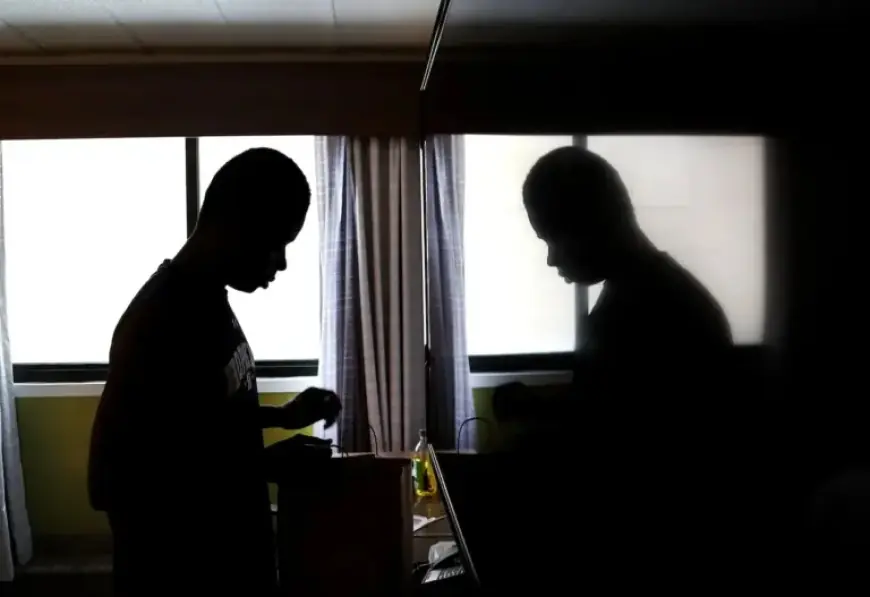
Bruno, a Haitian TPS holder living in Boston for nearly 17 years, expressed his fears: “I’m not free. I don’t have a legal status.” He, like many others, is paralyzed by the thought of returning to a homeland he fled due to violence and loss.
Community Reactions and Legal Challenges
Local advocates describe the atmosphere among Haitians in the Greater Boston area as a “collective panic attack.” Sarang Sekhavat from the Massachusetts Immigrant & Refugee Advocacy Coalition noted that TPS holders have done everything correctly under U.S. law, yet now face grave uncertainty.
A federal judge in Washington is expected to issue a ruling soon regarding a request to pause the end of TPS for Haitians while a separate legal challenge unfolds.
Personal Stories of Struggle
Many affected individuals, including a 57-year-old woman from Stoughton, share heartbreaking stories. She fled Haiti over two decades ago due to violence and recently lost family members to gang-related incidents. She expressed deep sorrow, saying, “Right now, I’m in so much pain.”
Another Haitian woman, a certified nursing assistant and mother to a U.S. citizen, fears how she will support her family after TPS ends. With bills looming, her anxiety grows alongside uncertainty about her immigration status.
Local Leadership’s Response
Boston City Councilor Ruthzee Louijeune condemned the decision to revoke TPS as reckless and rooted in xenophobia. Local leaders emphasize that Haitians contribute significantly to sectors like healthcare and transportation, and the loss of their legal status could have dire economic consequences.
- Potential job losses in healthcare, transportation, and restaurants.
- About 150 job losses reported at Logan International Airport due to TPS expiration concerns.
Governor Maura Healey has called for an extension of TPS for Haitians, highlighting their essential roles in numerous industries. She remarked on the devastating impact the end of TPS would have on Massachusetts’s economy and community.
Legal and Social Ramifications
Immigration attorney Jennifer Bade underscored the harsh realities TPS holders may face. Many of them, having lived in the U.S. for years, may not qualify for asylum despite their fears of violence. “This leaves a lot of people in turmoil,” she noted.
As the situation unfolds, the uncertainty surrounding TPS for Haitians in Boston remains a troubling issue. The collective anxiety highlights the broader implications for immigrant communities in facing abrupt policy changes.