

























Trump Proposes Nationalizing Voting, Challenging State Authority

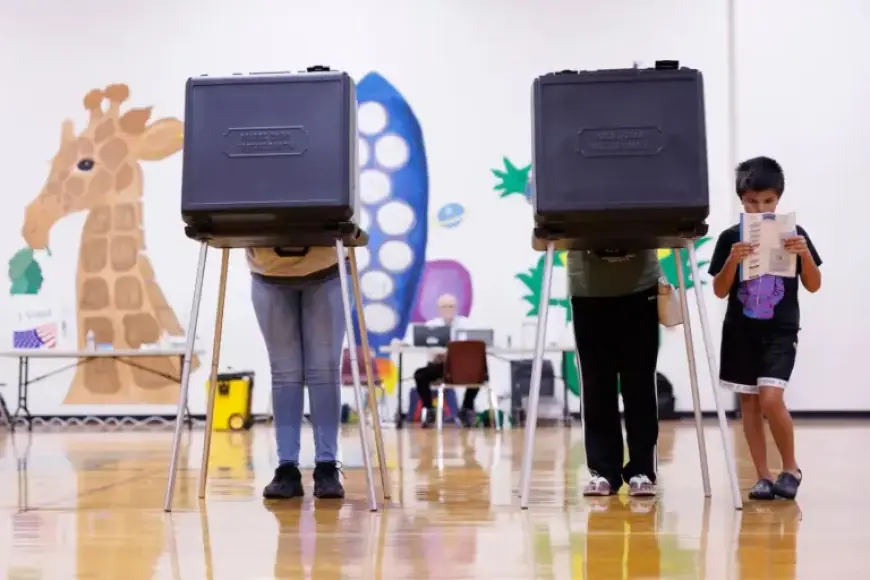
Former President Donald Trump has recently proposed a controversial idea: nationalizing voting across the United States. This suggestion challenges the established authority of individual states, which have historically overseen their electoral processes under the U.S. Constitution.
Trump’s Nationalization Proposal
During an interview on Monday with Dan Bongino, a right-wing podcaster and former deputy director of the FBI, Trump voiced his concerns about the integrity of U.S. elections. He reiterated unsubstantiated claims that the 2020 election was fraudulent and stolen from him.
Key Points from Trump’s Remarks
- Trump urged Republican lawmakers to consider taking control of elections.
- He emphasized the need for a national framework governing voting processes.
- His comments reflect a broader movement within some GOP circles to centralize voting authority.
Legal and Constitutional Implications
This proposal raises significant questions about states’ rights and the legal framework governing elections. Under the Constitution, states hold the power to manage their electoral processes, including voting regulations and procedures.
Controversial Context
Trump’s remarks come amidst ongoing debates about voting rights and election security across the country. Many legal experts and politicians express concern over the implications of nationalizing voting, warning it could undermine the federal structure established by the Constitution.
As discussions around this issue evolve, it remains to be seen how Republican lawmakers will respond to Trump’s call. The proposal is likely to prompt further debate regarding voting authority and election integrity nationwide.