






















U.S., Iranian Officials to Convene Amid Trump’s Ongoing Threats

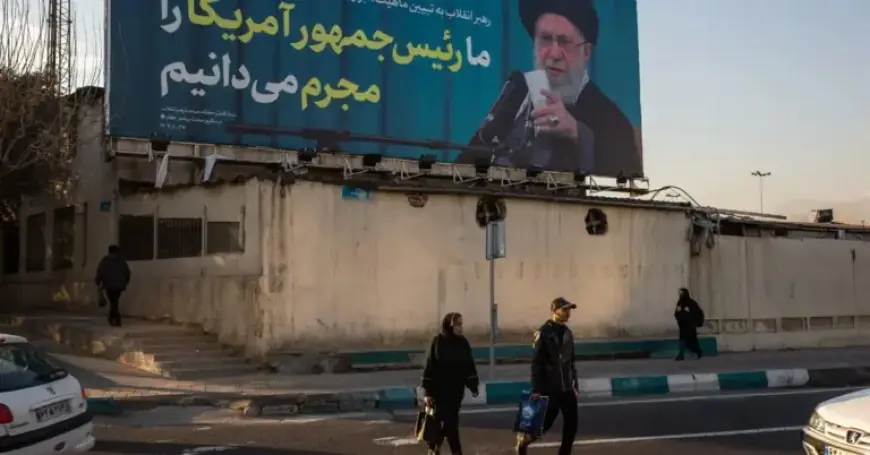
Senior officials from the U.S. and Iran are set to meet in Istanbul to discuss escalating tensions. This meeting, expected on Friday, includes significant figures such as Steve Witkoff, the U.S. Middle East envoy, and Iranian Foreign Minister Abbas Araghchi. The gathering aims to foster dialogue amidst threats from the U.S. government, led by President Trump, who has indicated military action against Iran.
Background of U.S.-Iran Relations
Relations between the U.S. and Iran have steadily deteriorated over recent years. Trump’s administration withdrew from the 2015 nuclear deal, leading to increased hostilities. The U.S. has consistently accused Iran of supporting proxy militias across the Middle East.
In June, U.S. airstrikes targeted Iranian nuclear facilities, allegedly delaying Iran’s uranium enrichment capabilities. Furthermore, Trump has threatened military intervention if Iranian forces respond violently to civil protests, which have resulted in significant casualties according to human rights organizations.
Objectives of the Upcoming Talks
The proposed Istanbul talks aim to lower tensions through diplomatic discourse. Participants will include officials from Turkey, Qatar, and Egypt, along with Witkoff and Araghchi. This meeting presents a rare opportunity for direct communication, as escalating military threats loom large over both nations.
Trump’s demands for negotiations involve significant concessions from Iran, including:
- Ending its nuclear program
- Accepting limits on ballistic missile development
- Halting support for regional proxy militias
Iran’s leaders have expressed unwillingness to negotiate under threat, suggesting any further relations would necessitate a safer environment. In response, Iran has indicated it may be open to suspending its nuclear program but prefers an alternative proposal for cooperative nuclear power production in the region.
Regional Implications
Workers from Turkey, Egypt, Oman, and Iraq have been mediating discussions between the two nations recently. Qatar’s Prime Minister recently visited Iran, emphasizing diplomatic engagement. The Middle Eastern neighbors have voiced concerns about an American military strike potentially destabilizing the region.
Ali Vaez from the International Crisis Group noted that regional responses reflect apprehension about the chaos that U.S. intervention could unleash throughout the Middle East.
Future Prospective Actions
Discussions concerning potential concessions have also occurred with Russia, particularly regarding Iran’s uranium enrichment. Iranian officials report communication between Araghchi and Witkoff via text messages, exploring options to de-escalate the crisis.
As anticipation builds for the upcoming talks, the region watches closely, hoping for a shift in policy that might foster stability rather than conflict.