
























Epstein files PDF 2026: massive Justice Department release sparks privacy and transparency fight

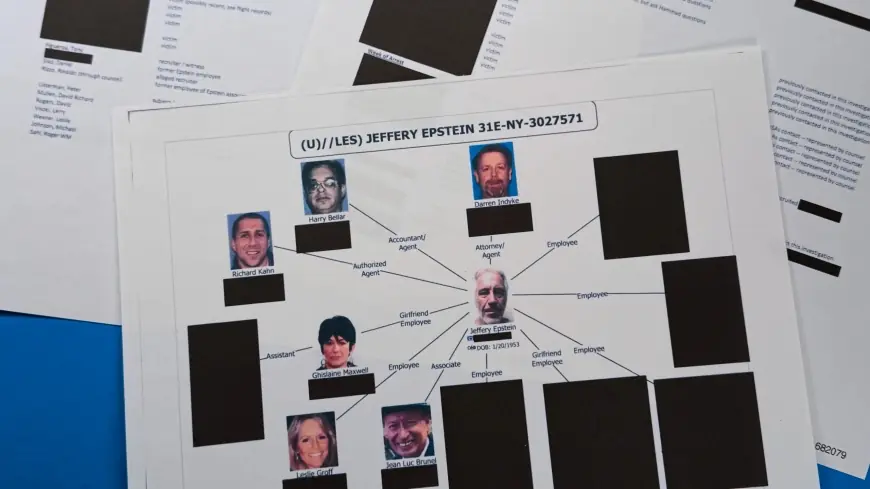
A sweeping new release of “Epstein files” in PDF form is driving heavy public traffic and fresh political pressure after the U.S. Justice Department published millions of pages tied to Jeffrey Epstein investigations and related matters. The new batch, updated as recently as Monday, Feb. 2, 2026 (ET), is one of the largest document dumps the federal government has posted in years—yet it immediately triggered backlash over victim privacy, redactions, and whether the full universe of records has actually been produced.
For people searching “epstein files pdf 2026,” the key reality is this: the material is now largely accessible as downloadable PDFs, but the release is sprawling, uneven in organization, and includes sensitive content that has reignited questions about how transparency should work when survivors’ identities are at stake.
What was released, in plain numbers
The Justice Department’s online library includes a mix of case records, investigative materials, exhibits, and media files connected to Epstein and related investigations. Officials described the publication as a compliance step under a new federal transparency law passed late last year.
| Item | Scale (approx.) | What it includes |
|---|---|---|
| Pages of documents | 3.5 million | PDFs from multiple case and investigative sources |
| Images | 180,000 | Photos and scanned materials tied to the collected files |
| Videos | 2,000 | Video files included in the collected materials |
| Collection size debated | up to 6 million pages identified | Not all pages identified were published in this tranche |
The numbers explain both the demand and the confusion: the release is large enough to feel “complete” to casual readers, but disputes over what remains out of view started immediately.
Why this release happened now
The document publication follows the Epstein Files Transparency Act, signed into law Nov. 19, 2025 (ET). The law requires the Attorney General to release unclassified Justice Department records related to Epstein, while allowing certain protections—especially for minors and ongoing investigations.
The Justice Department has framed the release as meeting the law’s requirements, emphasizing that the material was collected from multiple sources tied to Epstein’s Florida and New York cases, related proceedings involving Ghislaine Maxwell, internal reviews tied to Epstein’s death, and other investigative files.
That “many sources” approach matters: it means the PDFs include overlapping records and repeated names, and it also means some files are messy scans or handwritten notes that are difficult to search reliably.
The biggest controversy: survivor privacy and unredacted names
The sharpest backlash centers on the appearance of unredacted accuser names in parts of the release. Advocates argue that transparency should not come at the cost of exposing survivors—especially when many victims never sought publicity and may face harassment or renewed trauma when their identities circulate.
The government has warned that some documents contain descriptions of sexual abuse and may not be appropriate for all readers. Even with that warning, critics say the bigger issue is not graphic content—it’s whether the release adequately protected people who were victimized.
As of Feb. 3, 2026 (ET), it remains unclear how quickly any problematic files will be corrected or replaced with properly redacted versions, and what process will be used to handle complaints from survivors or their representatives.
Congress pushes for access to the “unredacted” full set
The rollout has also become a Capitol Hill fight. Democratic lawmakers on the House Judiciary side have requested an urgent opportunity for members and staff to review the complete unredacted files in the Justice Department’s possession, framing it as a compliance check: if the public release is incomplete, Congress wants to know why.
That request also reflects the central tension in the law: a public release is meant to be broad, but truly sensitive material often can’t be made public safely. The practical compromise being discussed is a two-track approach—public PDFs with stronger protections, paired with controlled access for congressional oversight under strict rules.
How to read “Epstein files PDFs” responsibly
The phrase “Epstein files” has become a catchall for many kinds of records. A name appearing in the PDFs does not automatically mean wrongdoing, and many references are incidental—emails, contact lists, travel records, or third-party mentions that never develop into allegations.
If you’re looking through the documents, a few guardrails help keep the process factual and fair:
- Visit the Website justice ( Click Here ).
-
Treat names as leads, not verdicts—many entries are unverified or context-free.
-
Avoid resharing personal identifiers for victims or witnesses.
-
Distinguish between court filings (structured, dated) and raw investigative materials (often fragmentary).
-
Watch for duplicates and partial scans that can mislead when read alone.
The release is likely to keep evolving. With millions of pages online, errors and privacy issues can be discovered after publication, and lawmakers are signaling that they will keep pressing for clarity on what remains unreleased.
Sources consulted: U.S. Department of Justice; Associated Press; Reuters; Congress.gov