Woody Allen’s next film in Madrid faces fresh scrutiny as new documents surface

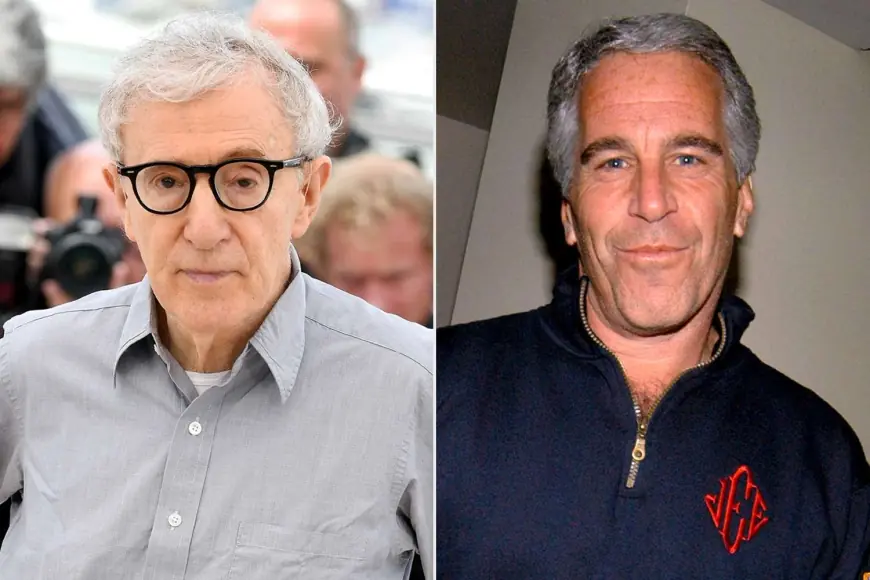
Woody Allen is moving forward with plans to shoot another feature in Spain, with a public subsidy package in the Madrid region giving the long-running director a clear production runway into 2026. At the same time, newly released U.S. Justice Department documents connected to the Jeffrey Epstein case have revived uncomfortable questions about which public figures were invited into Epstein’s social orbit—pulling Allen’s name back into a wider swirl of controversy.
The result is a familiar tension around the filmmaker: a new project advancing on the strength of European financing and film-tourism ambitions, while reputational risk remains a constant shadow over how the work is funded, promoted, and received.
A new Madrid-funded film for 2026
The Madrid regional government has approved €1.5 million in support for Allen’s next film, which is expected to shoot in and around Madrid in 2026. The working title in official paperwork has been WASP 2026, and the financing is structured explicitly as a tourism and international-branding play: the movie is meant to showcase recognizable locations and generate global exposure tied directly to the region.
The funding decision has been politically contentious in Spain, but the underlying logic is straightforward: attach public money to a globally known filmmaker, require visible on-screen landmarks, and treat the film as a marketing campaign that can outlive a single tourist season.
A producing partner steps forward
A newer layer to the project arrived in January, when 3SIX9 Studios publicly described itself as presenting and producing “Woody Allen Spring Project 2026,” and tied the production timeline to spring 2026 filming in Madrid. That announcement sits alongside earlier reporting and documents linking the film to Allen’s long-running banner Gravier Productions and the Spanish partner Wanda Visión.
Casting and plot details have not been publicly confirmed in official materials. That silence has become part of the story in itself: financing and logistics are clear, while the creative specifics remain tightly held—typical of Allen projects, but especially notable given the heightened attention around who might sign on.
What the Madrid deal requires
The subsidy package is split across multiple years and is tied to performance-style milestones, not just a single lump-sum grant. The contract also requires that the film’s final title include the word “Madrid,” turning the destination brand into a permanent part of the movie’s identity.
| Contract element | Detail |
|---|---|
| Total public support | €1.5 million |
| Payment schedule | €150,000 (2025), €600,000 (2026), €750,000 (2027) |
| Location requirement | Shooting within the Madrid region |
| Title requirement | Final title must include “Madrid” |
| Visibility requirement | Identifiable, recognizable locations on screen |
| Festival ambition | A premiere at a major international festival is built into milestone language |
This structure reflects a broader European model: public incentives tied to cultural production and measurable promotional deliverables.
Epstein-file disclosures pull Allen’s name back into headlines
Separate from the film financing, a new release of Justice Department Epstein-related documents on Friday, January 30, 2026 (ET) included emails describing invitations to a “last-minute casual dinner” in December 2010 at Epstein’s New York home. The guest list described in those emails included Allen and his wife, Soon-Yi Previn. The documents do not, on their own, establish who ultimately attended the dinner, and the available material has left attendance unclear.
Still, the appearance of Allen’s name in this context matters because it compounds an already complicated reputational landscape. In recent years, Allen has continued to deny long-standing abuse allegations involving Dylan Farrow, which have remained central to public debate over his career and financing. The resurfacing of any adjacent controversy tends to harden the divide: supporters frame it as guilt-by-association noise, while critics argue it reinforces why institutions should avoid backing his work.
What to watch next
The immediate question is practical: whether the Madrid shoot proceeds on schedule and whether casting choices become a new flashpoint. If recognizable international actors sign on, the production becomes more commercially viable—and more politically visible. If the cast is lower-profile, the film may still happen smoothly, but it will likely play a smaller role in the broader cultural conversation.
On the institutional side, attention will stay on how public money is justified and audited, whether festival-premiere targets are met, and how aggressively the film is marketed as a destination showcase. In the background, the broader release and analysis of Epstein-related materials is likely to continue generating intermittent headlines that sweep in peripheral names—even when the underlying documents describe invitations rather than confirmed attendance.
Sources consulted: The Guardian; El País; Screen Global Production; 3SIX9 Studios website