






















Experts: Trump’s Legal Odds Against Trevor Noah Are Slim

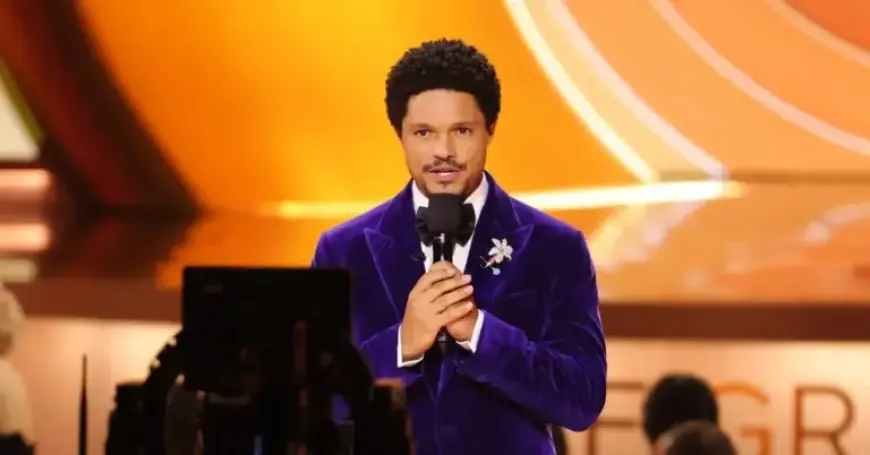
In recent events, former President Donald Trump has directed his legal attention towards comedian Trevor Noah. This action follows a joke Noah made during the Grammy Awards, which linked Trump to Jeffrey Epstein.
Legal Experts Weigh In on Trump’s Odds
Legal professionals express skepticism regarding Trump’s potential lawsuit against Noah. They describe the former president’s chances of winning as minimal.
First Amendment Protections
Jameel Jaffer, executive director of the Knight First Amendment Institute at Columbia University, emphasized the protection offered by the First Amendment. He noted that Noah’s role as a host, rather than a news reporter, adds weight to his defense.
“Trevor Noah is clearly protected by the First Amendment,” Jaffer stated. The legal landscape beneath such comedic commentary is shaped by cases like Hustler Magazine v. Falwell, which upheld that satirical expressions about public figures are constitutionally safeguarded.
Context of Noah’s Joke
During the CBS broadcast of the Grammys, Noah quipped about Trump’s idea of pursuing Greenland, suggesting it was a replacement for Epstein’s private island. Noah’s comment resonated with some due to Trump’s historical association with Epstein, although records show Trump has not visited Epstein’s island.
Past Legal Challenges
- Trump has successfully secured settlements from various media companies.
- Paramount, CBS’s parent company, settled a lawsuit with Trump for $16 million last year.
- Disney and Meta have also reached settlements with the former president.
These companies often balance the costs of settlements against lengthy legal battles with influential figures.
Public Reception
Greg Lukianoff, CEO of the Foundation for Individual Rights and Expression, defended Noah’s joke, asserting that audiences perceive it as a comedic remark rather than a serious claim. “This is obviously a joke,” he remarked, highlighting the nature of comedic commentary in public discourse.
As this situation unfolds, the intersection of humor, law, and public figures remains a focal point for discussion.