
























Faulty Redactions in Epstein Documents Re-Traumatize Survivors

Recent developments surrounding the release of documents linked to Jeffrey Epstein have raised serious concerns about the protection of victim identities. On Friday, nearly 3 million pages of material were disclosed by Deputy Attorney General Todd Blanche. While he urged that measures were taken to protect survivors, early reviews indicate significant redaction failures.
Details of the Document Release
The Justice Department aimed to shield the identities of Epstein’s victims. Blanche emphasized that every woman depicted in the released materials was redacted. However, an initial assessment by MS NOW uncovered over 40 identities of known or suspected survivors that were improperly disclosed. This situation is expected to worsen as more reviews are conducted.
Legal Reactions and Survivor Experiences
Attorney Brittany Henderson, representing one of the survivors, highlighted the gravity of these failures. She informed the judges overseeing Epstein’s ongoing criminal cases that thousands of redaction errors had been reported for close to 100 survivors. Henderson described the events as potentially the most severe violation of victim privacy in U.S. history.
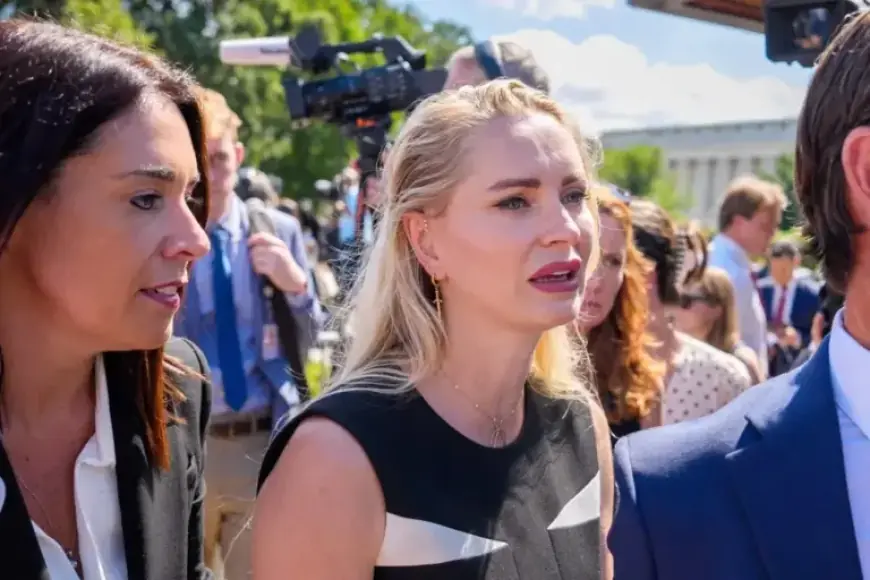
One prominent survivor, Anouska De Giorgiou, became aware that her sensitive information was included among the released documents. This exposure included her driver’s license and personal notes from her prior meeting with prosecutors. De Giorgiou expressed devastation over the breach of privacy, emphasizing the emotional turmoil it has caused her.
Impact on Victims
De Giorgiou, who testified during Ghislaine Maxwell’s trial, noted that her intimate experiences were shared with the Justice Department. The information discussed during the meeting was intended to establish her credibility but has since turned into a source of distress. “This is what happens when inexperienced individuals occupy positions of power,” she remarked.
After the document release, De Giorgiou reached out to senior leaders in the U.S. attorney’s office, detailing her concerns about the implications of the exposure. She questioned how such a lapse could occur and demanded answers from the Department of Justice. While some identifying information appeared to be removed after her inquiries, the emotional damage remained.
Department’s Response
In response to this backlash, Todd Blanche defended the redaction process. He claimed that the Justice Department has taken assertive steps to safeguard sensitive information and continues to fix errors as they arise. His statements followed the decision to remove the compromised documents for further correction.
Amidst the uproar, U.S. Attorney Jay Clayton acknowledged the problem and assured that all affected documents were being rectified. A court conference has been scheduled to address these pressing issues promptly. Yet, for survivors like De Giorgiou, the trauma inflicted by the unredacted release persists.
Collaboration with Media
The investigation into the released documents has garnered attention from various news outlets. Collaborations between MS NOW and organizations like NBC and Associated Press aim to review and report on the contents thoroughly, ensuring that survivors’ stories are respected and protected.
- Document Release Date: Friday
- Pages Released: Nearly 3 million
- Survivors Affected: Over 40 known identities revealed
- Lawyer’s Comments: Thousands of redaction failures reported
The mounting complications regarding the Epstein documents underscore the challenges faced by survivors seeking justice and privacy. The journey towards healing is often complicated by systemic failures, raising essential questions about victim protection in sensitive legal matters.