“Then and Now: Part 2 Unveils Striking Transformations”

In a recent exploration of the world of Magic: The Gathering, significant transformations in card design have been unveiled. This iteration introduces characters that play crucial roles within the game’s lore and mechanics.
Key Transformations in Card Designs
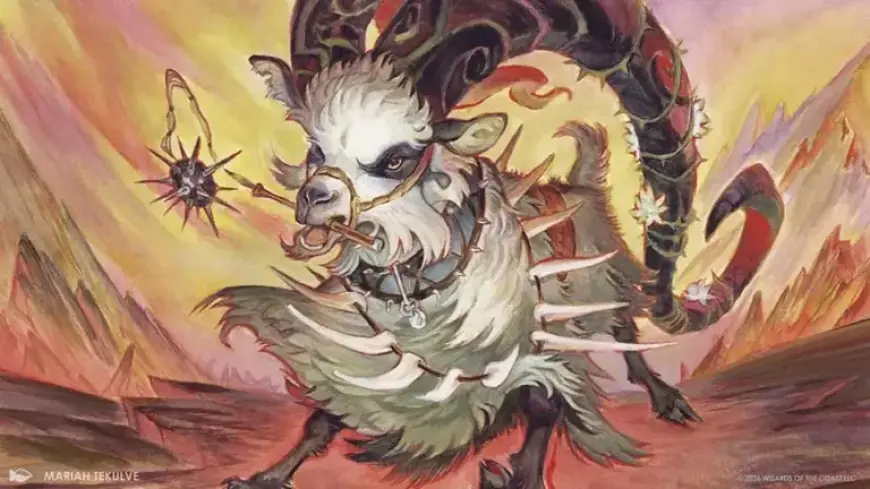
Two notable cards that reflect these transformations are Goatnap and Oft-Nabbed Goat. These cards offer a fascinating look back at their original designs from the Lorwyn set.
The Concept of Typal Sets
The original Lorwyn set focused on seven creature types that defined gameplay strategies. This setup incentivized drafting specific types, yet it posed challenges. Players focusing on a single creature type often faced repetitive gameplay. To combat this, the design team implemented the changeling mechanic, allowing creatures of all types to interact with one another.
- Changelings could belong to multiple types, increasing their demand in drafts.
- The mechanic created dynamic interactions between players, enhancing the drafting experience.
The Birth of Goatnapper
The creation of Goatnapper, a small Goblin with a Threaten effect, represented a playful nod to the game’s whimsical nature. The Goblin’s ability to steal a Goat for a turn encouraged engagement with changeling creatures.
Despite extensive discussions, the design team decided against including an actual Goat in the set, believing it was funnier to have none. However, later sets like Eventide embraced Goat tokens, establishing their presence in the universe, albeit humorously.
Oft-Nabbed Goat and Innovative Mechanics
Oft-Nabbed Goat originated not as a callback but was designed to utilize -1/-1 counters. This unique mechanic added depth and strategy, allowing players to interact dynamically with creatures on the battlefield.
- The creature could effectively be stolen back and forth, enhancing gameplay complexity.
- -1/-1 counters ensured the creature remained strategically relevant without becoming a straightforward attacking option.
Legacy and Influence of Figure of Destiny
The design team also revisited influential cards like Figure of Destiny, originally crafted by Brian Tinsman. This card allowed for evolutionary upgrades and inspired many subsequent mechanics. The structure employed in updating Figure of Fable maintained the core gameplay while adapting to new design standards.
- Figure of Destiny showcased a progression mechanism that became a template for future designs.
- It inspired various mechanics, including level-up and Class subtypes in recent sets.
Conclusion: The Evolving Magic Landscape
Collectively, these transformations reflect Magic: The Gathering’s ongoing evolution. The blend of nostalgia with innovative mechanics keeps the game dynamic and engaging for players. The integration of unique design elements continues to resonate, ensuring that both new and seasoned players find value in their strategic choices.
For more insights and updates on the fascinating world of Magic: The Gathering, stay connected with Filmogaz.com.