
























Gold and Silver Prices Plummet After Record Highs

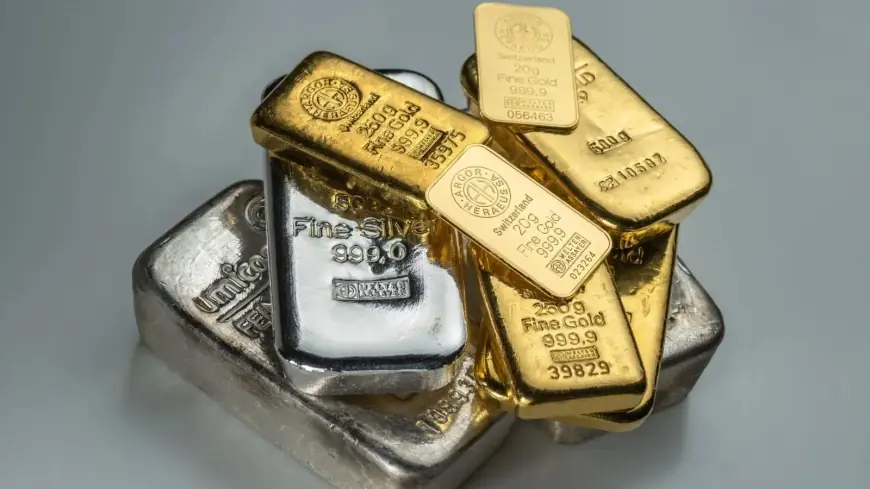
Gold and silver prices have experienced a sharp decline after hitting unprecedented highs. Recently, gold reached an intra-day peak of $5,608 USD ($8,094 AUD), only to plummet by 17% amid a wave of panic selling. The price of silver followed suit, crashing approximately 35% from its all-time high of $121 USD.
Causes of the Price Drop
The downturn in precious metals appears linked to US President Donald Trump’s nomination of Kevin Warsh to lead the Federal Reserve. Warsh, who served on the Fed’s board from 2006 to 2011, is perceived as less inclined to reduce interest rates. This news has driven up demand for the US dollar while putting pressure on gold and silver prices.
Financial market analyst Kyle Rodda noted that a “de-leveraging” trend is occurring, impacting both large investment banks and individual investors. These entities often borrowed funds to invest in gold and silver, heightening risks when market conditions change. Rodda pointed out that forced asset sales, known as margin calls, contribute to further declines in precious metals.
Market Reactions
In the days leading up to the price peaks, many investors flocked to retail outlets. At the Perth Mint, customers queued for hours, eager to seize opportunities in the rising market. Similar scenes unfolded in Sydney’s CBD, where long lines formed outside ABC Bullion as buyers sought gold as a financial safeguard.
- Gold prices recently peaked at $5,608 USD.
- Silver prices hit $121 USD before a 35% decline.
- Kevin Warsh is nominated to replace Jerome Powell as Fed chair.
- Investors are experiencing forced sales due to margin calls.
Impact on Financial Markets
The surging trading volume and accessibility of precious metals have resulted in significant market fluctuations. Edward Meir, founder of Commodity Research Group, remarked that new retail investors from countries like China and India are now engaging with these markets. This shift has added volatility to the already unpredictable landscape of gold and silver trading.
Dominik Sperzel, head of trading at Heraeus Precious Metals, described the current sell-off as one of the most extreme events in his career. While gold has traditionally symbolized stability, its current volatility contradicts this notion.
Future Perspectives
As the financial outlook changes with the new Federal Reserve leadership, stockbroking veteran Marcus Padley indicated a generally positive perspective on riskier assets like stocks. He suggested that Warsh’s appointment signals a stabilizing economy, contributing to the recent gold price collapse.
However, investment fund manager Roger Montgomery warned of a potential “regime change” in global markets. He highlighted that Poland is aggressively increasing its gold holdings, with 30% of its reserves now in precious metals. India, too, has been consistently purchasing gold to strengthen its currency amidst economic uncertainties.
As global markets shift focus from momentum trading to demanding tangible returns, the future landscape for gold and silver remains uncertain. Only time will tell how these developments influence the precious metals market.