Trevor Noah’s Grammys set off Trump backlash as show closes on a big night

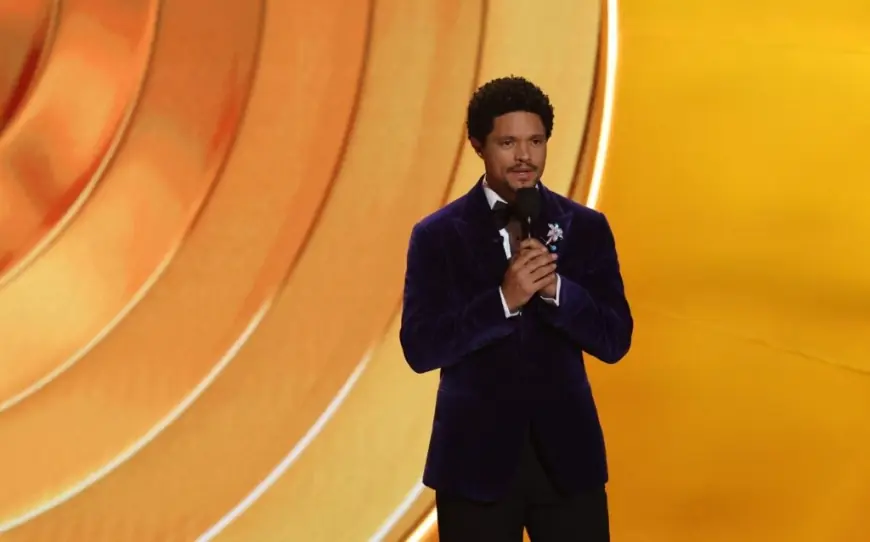
Trevor Noah returned as Grammy host Sunday night ET for what he called his final turn emceeing the awards, delivering a mostly light monologue that still landed a political flashpoint. By Monday morning ET, Donald Trump was publicly threatening legal action over a joke tied to Jeffrey Epstein, turning a few minutes of comedy into the most talked-about post-show controversy. The Grammys are over now, with the main ceremony ending late Sunday night ET.
Who is Trevor Noah?
Noah is a South African comedian, author, and producer who rose to global prominence after taking over a major U.S. late-night satire program in 2015 and steering it through the end of 2022. He’s been a frequent awards-show host in recent years, valued for a tone that can shift from gentle crowd work to sharper cultural commentary without losing the room.
This year marked his sixth consecutive time hosting the Grammys and, by his own framing on-air, his last.
What did Trevor Noah say about Trump?
Noah’s biggest applause line came while riffing on Nicki Minaj’s recent pro-Trump turn and her absence from the audience. He joked that she was “still at the White House” with Trump “discussing very important issues,” then launched into a Trump impression with a crude punch line aimed at the former president’s ego.
Later in the broadcast, Noah escalated with an Epstein-related joke that implied Trump and Bill Clinton had been on Epstein’s private island and that Trump might be looking for a substitute now that the island is “gone.” That second bit is the one that triggered the loudest backlash afterward.
Trump threatens to sue, and the post-show fight takes shape
By Monday morning ET, Trump blasted the host on his social media account, denying he ever visited Epstein’s island and framing the joke as defamatory. He added that he wanted to sue Noah, positioning the threat as part of his broader pattern of legal and rhetorical attacks on critics.
The legal reality is uncertain: comedy in a live broadcast sits inside a complicated zone of opinion, exaggeration, and public-figure standards. But the political reality is immediate. The remarks became a rallying point for supporters who viewed the monologue as partisan, while critics argued the material reflected renewed attention on Epstein-related documents and long-running public questions about Trump’s past associations.
One reason the controversy spread so fast is that it stacked multiple hot-button topics—celebrity politics, Epstein, and defamation—into a single, shareable clip cycle.
Where Aaliyah and Lizzo fit into the Grammys conversation
“Aaliyah” surfaced in Grammys-week searches for a different reason: renewed attention to her catalog and legacy content circulating around the awards weekend. Aaliyah has five career Grammy nominations and zero wins, a stat that often reappears when fans revisit how the academy historically treated R&B in the early 2000s.
Lizzo’s name trended more through the orbit of the weekend than the main stage. She was photographed at high-profile events surrounding the ceremony, and her name was also pulled into online crossfire after Nicki Minaj’s post-show reactions expanded into broader celebrity callouts. None of that changed the night’s official results, but it did add to the sense that the Grammys have become a multi-day attention economy where side narratives can compete with the trophies.
Is the Grammys over, and what happens next?
Yes—the Grammys concluded Sunday night ET, and the next phase is the fallout cycle: ratings talk, clip-by-clip replay, and any formal statements from parties involved. The awards body is also heading into a broadcast transition next year, ending a long-running relationship with its current broadcast partner, which adds another layer of scrutiny to how the show balances entertainment, politics, and brand risk.
For Noah, the immediate question is whether he addresses the Trump threat directly or lets the moment pass. For the Grammys, the bigger test is whether the show can keep the focus on winners and performances when a few lines of monologue can dominate the next day’s headlines.
Key takeaways
-
Trevor Noah hosted the Grammys Sunday night ET and said it was his final time in the role.
-
His Trump jokes—especially an Epstein-related line—sparked a public threat of legal action from Trump by Monday morning ET.
-
Aaliyah and Lizzo trended mainly through Grammys-week spotlight and online reactions rather than on-stage wins.
Sources consulted: Associated Press; Time; People; Recording Academy