























Peter Mandelson resigns from Labour as pressure mounts over Epstein contacts

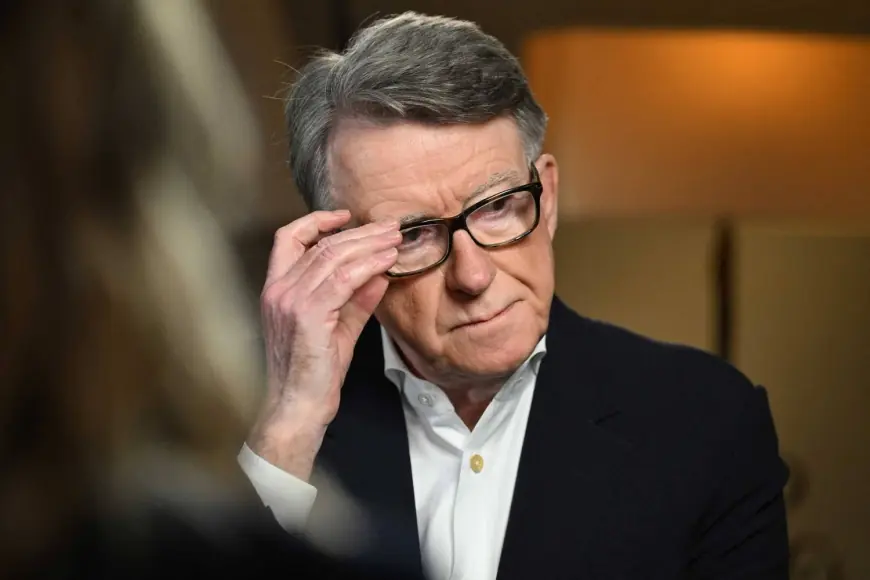
Peter Mandelson, also known as Lord Mandelson, has resigned from the UK Labour Party after renewed scrutiny over his past relationship with Jeffrey Epstein, following the release of additional U.S. case documents that include emails and financial references. The resignation has accelerated calls in Westminster for tougher disciplinary powers in the House of Lords and for a formal review of Mandelson’s historical contacts while he was a senior government minister.
The dispute has become one of the most politically charged developments in British public life at the start of February, touching on vetting standards for high office, the accountability of life peers, and the handling of reputational risk inside the governing party.
Peter Mandelson quits Labour amid new scrutiny
Mandelson said he was stepping down as a Labour member to prevent further damage to the party and expressed regret that the latest disclosures had revived public anger around Epstein’s crimes. He also offered an apology directed at Epstein’s victims, while disputing key elements of the newly surfaced material and arguing that some details were unclear or potentially inaccurate.
The resignation comes after a new tranche of U.S. documents circulated widely, prompting renewed questions about the extent of Mandelson’s social and financial connections with Epstein in the early 2000s and later. The documents include references to money transfers and communications in which Mandelson appears to have discussed public-policy topics during his time in government.
What the newly released documents claim
The fresh material includes allegations of financial links, including references to payments totaling tens of thousands of dollars connected to Mandelson and an additional payment linked to his partner. The documents also reference email exchanges in which Mandelson appears to have engaged with Epstein on government-related issues.
Several of the claims are disputed or not fully corroborated in public, and some contextual details remain unclear. Mandelson has said he does not recall receiving certain payments referenced in the material and has suggested the records may contain inaccuracies or may have been misinterpreted without full context.
The overall effect has been to reopen questions that had already harmed Mandelson’s public standing in 2025, when revelations about the relationship led to official reconsideration of his suitability for a major diplomatic role.
Government review and House of Lords pressure
The political response has widened beyond party discipline. Prime Minister Keir Starmer has publicly signaled that Mandelson should no longer sit in the House of Lords, and the government has initiated a review process intended to establish what is known about Mandelson’s contacts with Epstein while he held ministerial office.
Ministers and opposition figures have also pressed for Mandelson to assist any U.S. congressional inquiry examining Epstein’s network and associates. The central argument is that, regardless of the outcome for Mandelson personally, public confidence requires transparent cooperation where official conduct and access to power are in question.
The controversy has also revived debate about whether current rules provide meaningful consequences for peers whose conduct brings the chamber into disrepute, especially where allegations relate to serious criminality by a third party.
The ambassador episode still hangs over this story
Mandelson’s recent public roles have sharpened the political stakes. In late 2024, the UK announced him as the next British ambassador to the United States. That appointment later became a flashpoint when additional information about his Epstein ties emerged, leading the government to reverse course and withdraw him from the post in 2025.
Critics argue that the sequence raises broader questions about how prominent political figures are vetted for sensitive roles. Supporters counter that the system responded once further details became available, and that it is the new disclosures—rather than the older public record—that have triggered the current escalation.
Either way, the controversy has become a case study in how quickly the reputational calculus can shift when legal files, emails, and financial records surface long after the fact.
What happens next
Several near-term developments will determine whether this story moves from political scandal to formal sanction:
-
The Cabinet Secretary’s review of available information about Mandelson’s past contacts while in office.
-
Any decision by the House of Lords authorities to pursue disciplinary steps under existing rules.
-
Whether legislation is introduced to strengthen the ability to remove titles or bar peers from sitting.
-
Whether Mandelson is asked to provide testimony or evidence to U.S. lawmakers, and whether he agrees.
For now, Mandelson’s resignation from Labour closes one chapter while opening another: the question of what accountability looks like for a life peer and former senior minister when new material emerges about relationships that intersected with power.
Sources consulted: UK Parliament (Hansard); UK government statements; Associated Press; The Washington Post