
























Commodities Slump Shakes Global Markets

Commodities markets experienced significant declines recently, following the appointment of Kevin Warsh as the next chair of the U.S. Federal Reserve. This market reaction impacted various sectors, particularly precious metals like gold and silver, which saw substantial losses.
Sharp Decline in Commodities
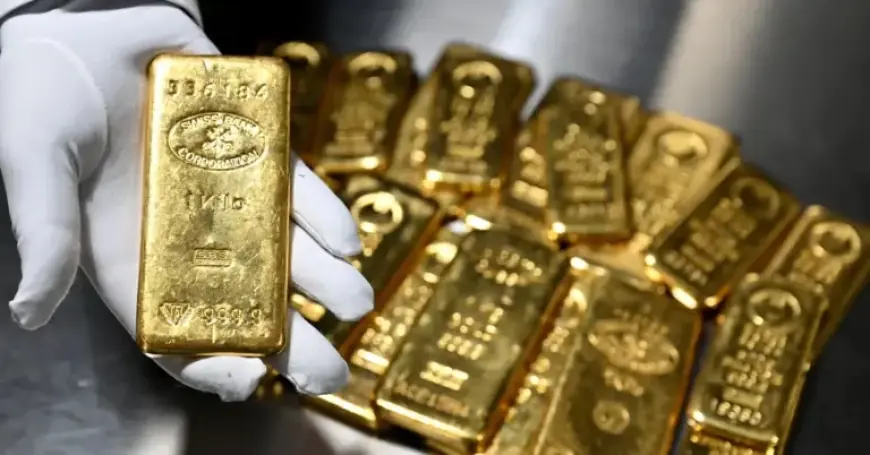
On February 2, commodities faced a notable slump. Gold prices fell by 5%, reaching their lowest level in over two weeks, while silver dropped more than 7%. Moreover, oil prices decreased nearly 5%, and copper prices on the London Metal Exchange decreased by 3%.
Market Reactions
These declines were not limited to commodities. Global stock markets saw increased volatility, with the MSCI All-World index decreasing by 0.5%. The Dow Jones Industrial Average fell by 0.14%, the S&P 500 lost 0.22%, and the Nasdaq Composite dropped 0.4%.
- Gold: Down 5%
- Silver: Down over 7%
- Oil: Down nearly 5%
- Copper: Down 3%
Investor Sentiment and Dollar Strength
The appointment of Warsh, a former Federal Reserve governor, surprised markets. His perceived hawkish stance, which suggests a prolonged period of higher interest rates, supported a stronger U.S. dollar. This strengthened dollar tends to raise commodity prices for holders of other currencies, negatively impacting demand.
Impact of Margin Increases
Market turbulence was exacerbated by an increase in margin requirements by the CME Group. This change, effective from the market’s close on the same day, typically has a negative effect on contracts, dampening speculative activity. As a result, the precious metals sector witnessed accelerated selling.
Analysts observed that the scale of selling in gold was reminiscent of the financial crisis in 2008, indicating heightened market tensions. The volatility index (VIX) also rose, reflecting investor anxiety.
Energy Markets and Global Concerns
In the energy sector, oil prices were influenced by easing geopolitical tensions between the U.S. and Iran. Recent discussions indicated a potential calming of hostilities, which alleviated fears regarding oil supply disruptions. This development contributed to the downward price pressure on oil.
As the Lunar New Year approaches on February 15, concerns about diminished demand in China, a primary buyer of industrial metals, also impacted copper and iron ore markets. Analysts noted that anticipated lower transactions leading up to the holiday might weigh on prices.
Future Outlook
Market experts debate whether the recent downturn signifies a structural change in commodity prices or merely represents a corrective phase. Some analysts believe the current situation presents a buying opportunity rather than a fundamental shift in the market.