NBA trade deadline nears as Cavs trade reshapes Kings, Bulls, and backcourt market

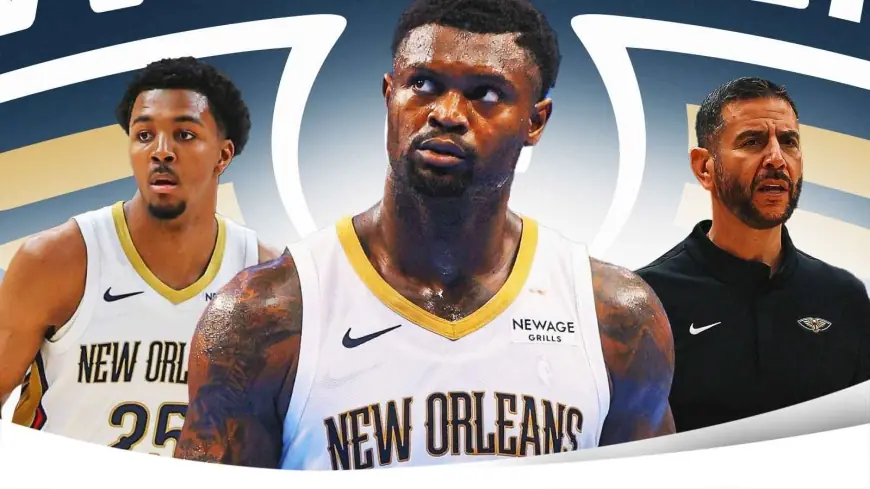
With the NBA trade deadline days away, one three-team deal has already shifted the tone: the Cleveland Cavaliers moved De’Andre Hunter to the Sacramento Kings and brought in two guards—Dennis Schröder and Keon Ellis—while the Chicago Bulls collected draft capital and a veteran big. The transaction is being treated as both a win-now rotation tweak and a cap-management move, and it has quickly become a reference point for the rest of the league’s deadline week.
The deadline itself is set for Thursday, Feb. 5, 2026, at 3:00 p.m. ET, and teams are now working backward from that cutoff to decide whether to consolidate for a playoff push or shed salary for flexibility.
Cavs trade: Hunter out, guards in
Cleveland’s move is straightforward on the floor: Schröder provides steady ball-handling and a change-of-pace option in the backcourt, while Ellis adds point-of-attack defense and spot-up shooting. It also comes with a clear financial component. By sending out Hunter’s money and taking back a different salary mix, the Cavaliers improve their ability to maneuver under the league’s roster-building restrictions tied to the highest spending tiers.
Here’s the core of the trade as announced:
| Team | Received | Sent |
|---|---|---|
| Cavaliers | Dennis Schröder, Keon Ellis, Emanuel Miller | De’Andre Hunter |
| Kings | De’Andre Hunter | Dennis Schröder, Keon Ellis, Dario Šarić |
| Bulls | Dario Šarić, two second-round picks | Emanuel Miller |
The Bulls’ return includes two future second-rounders, which can be used as either draft swings or trade grease in later deals.
NBA trade deadline clock and what teams can still do
With the NBA trade deadline at 3:00 p.m. ET Thursday, the final 72 hours often come down to two realities: matching salary and finding a third team to absorb or reroute money. This season’s rules around the highest payroll tiers have made that second piece even more important, because teams above certain thresholds can face tighter trade construction limits.
That’s why Cleveland’s deal is being read as a “setup” move. It improves the rotation now while also keeping paths open for a follow-up trade—either to add another player who fits the postseason plan or to further clean up the cap sheet.
Kings trade angle: adding De’Andre Hunter’s wing profile
For Sacramento, the Kings trade is about wing size and two-way sturdiness. Hunter brings a bigger defensive frame than the guards going out and can slide into lineups that need someone to take tough assignments while still providing scoring in rhythm. The Kings have often been at their best when they can keep their primary creators fresh and surround them with wings who don’t break the offense.
There is risk: Hunter’s value depends on health, role clarity, and whether his offense stays efficient enough to justify heavier minutes in playoff-style games. But Sacramento’s bet is that the wing upgrade is worth sacrificing Schröder’s ball control and Ellis’ defensive pop.
Bulls trade: picks and flexibility over short-term push
Chicago’s role is the most “deadline classic” of the three: convert a player into picks and optionality. Šarić gives the Bulls frontcourt depth and a different look offensively, but the main asset is the two second-round picks. Those picks matter because they can be bundled in later trades, used to move up in drafts, or held as low-cost swings to fill out a roster.
This approach also fits a broader Bulls trade theme that tends to show up at deadlines: if the roster isn’t clearly on a deep playoff track, accumulating movable assets often beats chasing marginal wins.
Keon Ellis contract and Lonzo Ball chatter
Ellis’ arrival also creates a near-term decision point. The Keon Ellis contract is inexpensive—he’s in the final season of a three-year, roughly $5.1 million deal—making him one of the more cost-effective rotation defenders to change teams this week. That affordability is part of why Cleveland valued him, and it also makes him a candidate for an extension conversation soon.
Meanwhile, Lonzo Ball remains a name to watch around Cleveland’s books. He’s on a $10 million salary this season with a team option structure that makes him tradable for clubs seeking short-term money. Trade chatter around Ball has centered on whether Cleveland uses him as the next lever to pull if the front office wants even more flexibility—or if another team views him as a low-risk bet for depth.
As the deadline approaches, expect the Cavs nba trade storyline to stay active, with the Kings trade and Bulls trade serving as early indicators of how teams are valuing defense, contracts, and draft assets in a tighter cap environment.
Sources consulted: NBA; ESPN; Associated Press; Yahoo Sports